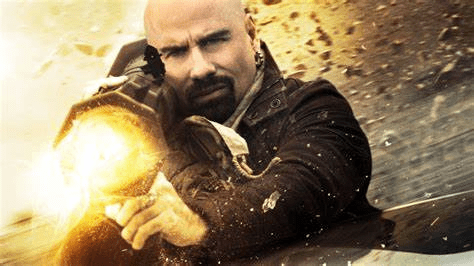
In Matthias Stork’s video essay on chaos cinema, he highlights the difference in how actions films were once created versus now. Stork argues that we are now seeing a perversion from the classic way of filmmaking to what we now call ‘chaos cinema’ due to the new techniques and editing styles in films, particularly action.
Shaviro’s idea of ‘post-continuity’ is that there is a new structure of feeling in film which uses a set of techniques that no longer follow the rules of classical cinema. With this, we can understand how chaos cinema is intended to make the audience feel.
Classic Hollywood action films were neat, scenes were meticulously thought out and nothing was ever cut unnecessarily. Every scene had a meaning and was shot for a reason. Directors focused on precision and ensured the audience always knows exactly where they are. For example, the fight to the death scene between Draba and Spartacus in Stanley Kubrick’s Spartacus shows a carefully thought out and practiced fight routine along with intense music and exaggerated but not necessarily accurate sound effects. Chaos cinema on the other hand is faster and can be very much a sensory overload for the viewer. Directors of this genre do not focus on spacial clarity meaning that most of the time you are lost and don’t know where you are within the scene. The effect of ‘shaky hand held cameras’, in my opinion gives an immersive feeling that the person filming is in the scene with the actors, like found footage style cinema. Due to these qualities, sound effect is more prominent and important in these films.
Despite Stork arguing that Chaos cinema is messy and over indulgent, I like that action scenes are confusing and hyperactive as you feel like you are in the scene, not observing from the outside.
(https://www.youtube.com/watch?v=zCLyLBrugD0).
Maddie W – 14/10/2022
 Digital Audiovisual Media Class Blog
Leave a comment