Medium is a literary persuasion. It is the means by which ideas are conveyed. Examples of mediums include letters, words and images. In the past, people used letters to communicate ideas. Digital media, on the other hand, has transformed the way ideas are conveyed. It has also transformed how people perceive and interpret information.
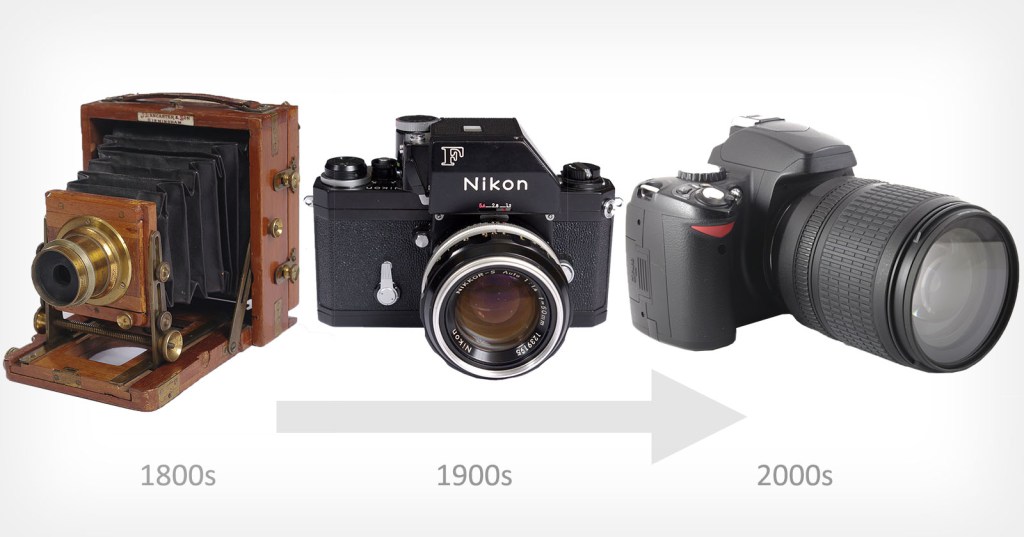
The way in which media outlets represent their content has changed over time. The first television broadcasts were analogues since they were broadcast via an analogue television signal. Although these broadcasts were not perfect, they were still a lot better than old television sets. This led to the public adapting to new ways of observing and interpreting information via visuals. The effect that the media has on the public’s perception of reality remains undeniable, though. This is especially true in developing nations where governments impose restrictions on the media but their citizens still have access to electronic devices and broadband connections.
The idea of ‘post-cinematic affect’ as developed by Steven Shaviro (2010) refers to the idea that not only have audio-visual technologies and techniques strongly changed but so have their accompanying aesthetics and ‘structures of feeling’, that come along with it.
There is a difference between film and television media- both analogues and digital counterparts. For example, film has traditionally used 70mm film whereas television has used standard-definition broadcast signals. However, film and HDTV have converged through digital cinematography- or DC cinematography for short. DC cinematography uses 3D stereoscopic lens technology for even better visual effects over time. There are also many other technological developments that change the way film works over time- such as CGI or special effects technology.
The way in which ideas are conveyed has undergone major changes in today’s society due to digital media channels like Internet and mobile phones. People can now access a limitless amount of information at their fingertips without any physical limitations or governmental restrictions. This leads to positive and positive effects on society as a whole since it allows people access to more diverse perspectives on issues that affect humanity today and tomorrow.
By Amelia Keegan
refernces
Steven Shaviro, ‘Post-Cinematic Affect: On Grace Jones, Boarding Gate and Southland Tales’, Film Philosophy 14.1, 2010.
 Digital Audiovisual Media Class Blog
Leave a comment