A decade after digital filmmaking made it to mainstream cinema, I arrived on scene. A cinema neophyte and a fresh student of screen studies, I wondered how our relationship with technology and storytelling had evolved over the years. I found compelling arguments for both mediums but neither could outshine the argument for compelling narratives.
In this blog, I evaluate the mediums purely in respect to the compelling narratives they offer and how different mediums affect the stories we tell on the big screen. I do so in order to offer perspectives through a variety of lenses in an unbiased manner.
Lights. Camera. Friction.
Hollywood started to capture films digitally in the 2000s but it wasn’t until 2013 that digitally shot films were more common than celluloid productions among the top 100 grossing films (Source: Digital Vs. Film in Hollywood Movies). This brought about the popular debate on Film Vs. Digital — one that would divide the industry into two segments with advocates for Film on one end (such as Tacita Dean and Quentin Tarantino) and those championing Digital (Roger Deakins) on the other.
Film: Advantages & Advocates
Critically acclaimed directors such as Quentin Tarantino and Christopher Nolan are known for their advocacy of film as a medium. Their argument is that getting a great shot is about the effort to get it right the first time and not letting post-production take the wheel in terms of the final outcome. It’s about the ‘magic’ of film.
This includes but is not limited to:
- Quality & Aesthetic: Film is known for its high resolution, grainy texture, vibrant colours and starker shadows
- Effort: Shots are more carefully planned as you have limited stock and thus requires more discipline and concentration
- Process: The process to shoot and develop with film cameras is painstaking and yet deemed as more human, organic and experimental
Digital: Advantages and Advocates
Directors such as Roger Deakins (Director of Skyfall and Bladerunner) heavily advocate the use of digital for its ease and convenience, technological upscaling (in terms of configuration and special effects) and the practicality of Digital filmmaking such as portability.
Let’s take a note on everything that makes digital a powerful format:
- Configurability: Digital cameras are often highly configurable and use detachable modular components for flexibility and upgradability
- Accessibility: Digital cameras are very easy to acquire due to their distribution, they are also more economical
- Ease & Convenience: What you see is what you get – this means that you don’t need to develop the film – avoiding any post-development surprises
Now that we know both mediums have their own unique characteristics and functionalities, it begs the question: Which format reins supreme?
In my opinion, audiovisual entertainment serves a purpose. While the purpose for a film crew could vary from ‘telling a story’ to ‘paying tribute to the craft of filmmaking’ or ‘breaking the barriers of the cinematic experience’ – in most cases, the viewer has a very simple ask from the film itself: to be entertained or to be moved in ways that are compelling – both in treatment and narrative.
To further make a case for Digital and Film rather than Digital or Film, it’s important to recognise that a number of films made today use both film and digital formats in cinematography (read: Darren Aronofsky’s ‘Black Swan’ Shot on ARRI Super 16mm, Canon 7D, Canon 1D Mark IV, and Canon 5D Mark II). And while we may prefer one format to the other, it almost always comes down to a directorial vision of the story yet to be told.
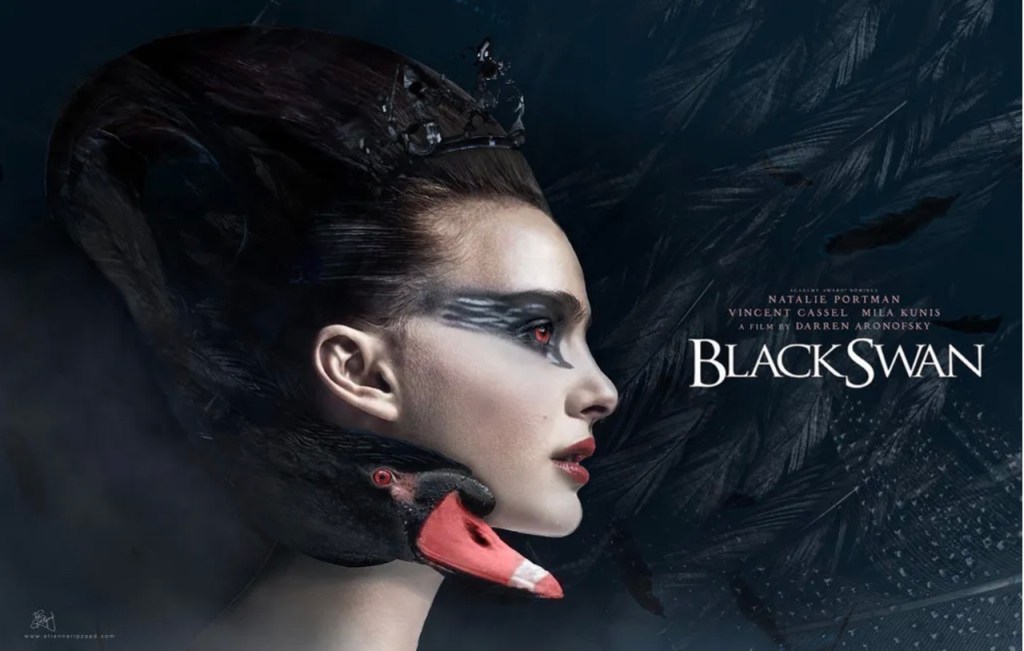
“In addition to the ARRI Super 16mm camera, Aronofsky and Libatique employed a Canon 7D and 1D Mark IV on the film itself, and shot the ballet rehearsals on a 5D Mark II.”
Interview with Black Swan DP Matthew Libatique, ASC
Libatique uses different cameras because they allow him to align the treatment to the vision of the film and gives him an arsenal of tools to execute this vision, using both film and digital cameras.
In another example, Ben Smithard, the cinematographer behind The Father (2020) and Downton Abbey (2019) shares his thoughts on the different mediums and how they impact his creative choices:
“I have had to fight for certain cameras on certain projects. I feel like one of the things I’m being paid for is choosing the right format for that film, that suits the look, and suits the budget. I spend an awful lot of time thinking about how I’m going to do it and I think I get it right. That’s what I’m good at.”
Interview with Ben Smithard
To reference Bordwell’s stance on ‘Intensified Continuity’, the knowledge we acquire from one medium flows to a newer one and the novelty of the latter can many a times be attributed to the old medium.
While comparing mediums help us understand the archaeology of cinema, our tastes as an evolving society and the cultural phenomenons of the postmodern age–they do not always have to put us in an ‘either or’ conflict.
Instead we can perceive these formats as ‘tools’ that enable ‘tales’ and not mediums that make or break a compelling narrative.
References:
https://nofilmschool.com/2010/12/darren-aronofskys-black-swan-shot-16mm
https://stephenfollows.com/digital-vs-film-on-hollywood-movies/
Intensified Continuity Visual Style in Contemporary American Film by David Bordwell: https://www.jstor.org/stable/10.1525/fq.2002.55.3.16#metadata_info_tab_contents
Chaos Cinema by Matthew Stork: https://scalar.usc.edu/works/film-studies-in-motion/chaos-cinema-part-1-by-matthias-stork.meta?versions=1
Post Cinema by Steven Shaviro: http://www.shaviro.com/Blog/?p=930
Written by Ridhima Chatterjee (33411978)
 Digital Audiovisual Media Class Blog
Leave a comment