The global media industry is confronting an unpredictable transformation stage, which may derive from the development of technology to some extent, as Raymond Williams supposed, but over than it. It is not easy to pinpoint a specific media organization or conglomerate that dominates the wave because almost all influential media conglomerates actively engage the stream with various focuses. Yet, Mareike Jenner argued that we could see the advent of Netflix’s original series as a milestone in the competition. Mareike Jenner and Amanda D. Lotz agreed that Netflix’s practices redefine and challenge the media industries, including film, television, and so on. In the book, Netflix and the Re-Invention of Television, Mareike Jenner brings up two key words to conclude the advantages of the presentence of Netflix: Control and Binge-watching, which help it to construct its brand and market successfully. Although Netflix perfects the answer to the internet-distribute industry, this model seems to fail in Chinese discourse, especially from the ancillary technology and binge-viewing experiences.
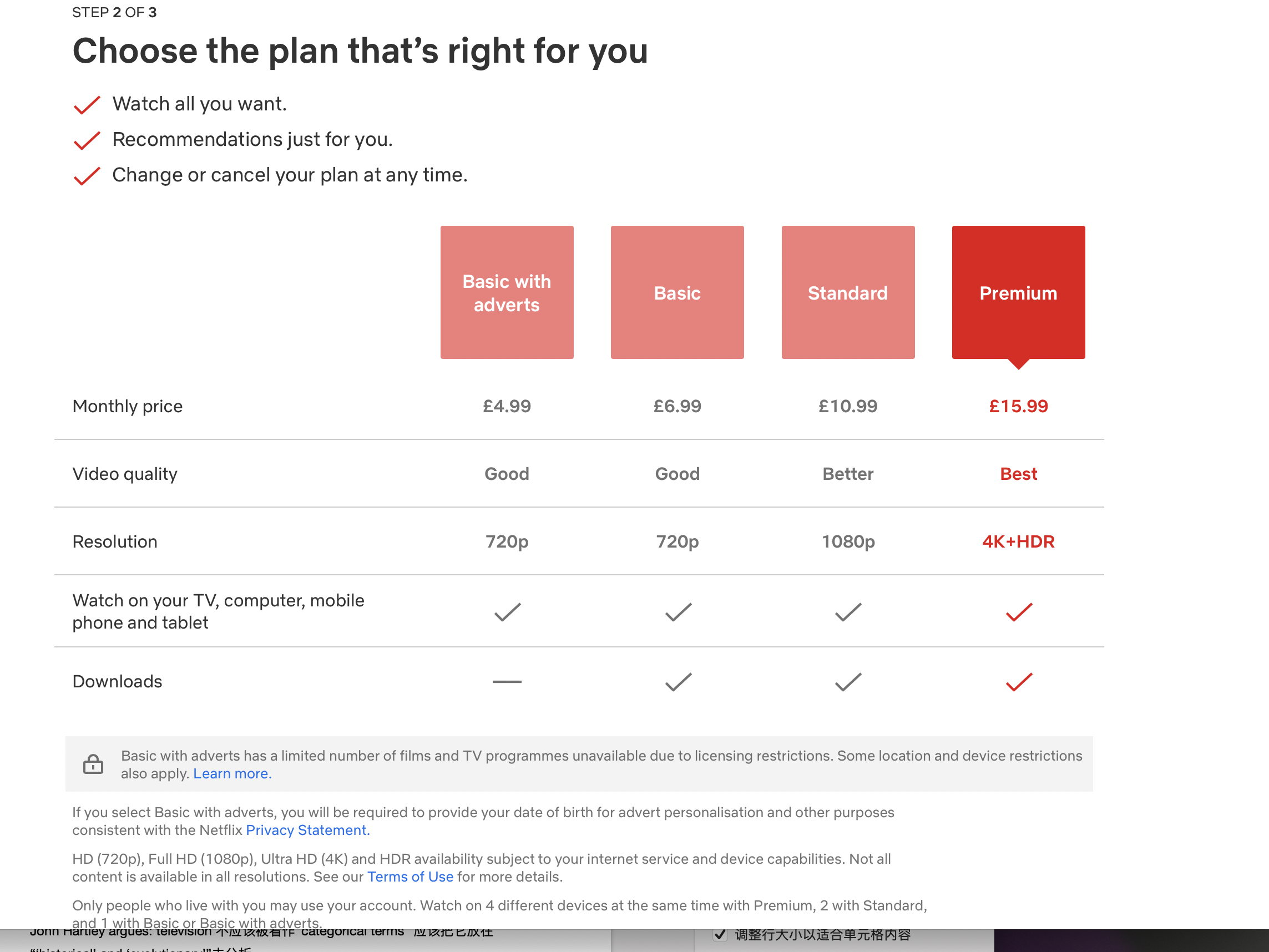
Netflix employed Binge-viewing as the core of its internet-distributed services, which Lisa Glebatis Perks(2015) described its reliance on a recommendation mechanism consisting of “entrance flow” and “insulated flow” to serve users better viewing experiences. Mareike Jenner accounts for the distinctive cultural logic of Netflix’s Binge-watching built up a seemingly “natural,” more targeted, more customized library configured with recommendation algorithms and data collections. Once users create their preference tastes, the post-play function and “a serialized program flow to the next episode” nudge the viewer access to binge-watching comfortably. Seamlessly connected entrance flow and insulated flow ensure a relatively pure and clean watching environment, cutting off most of the “noises” existing in linear broadcasting. On the positive connections, Netflix received good reviews, proved by its ongoing expansions worldwide and increasing paid memberships. Oppositely, Netflix’s model suffered from waterloo when it was introduced in the Chinese online video portal.
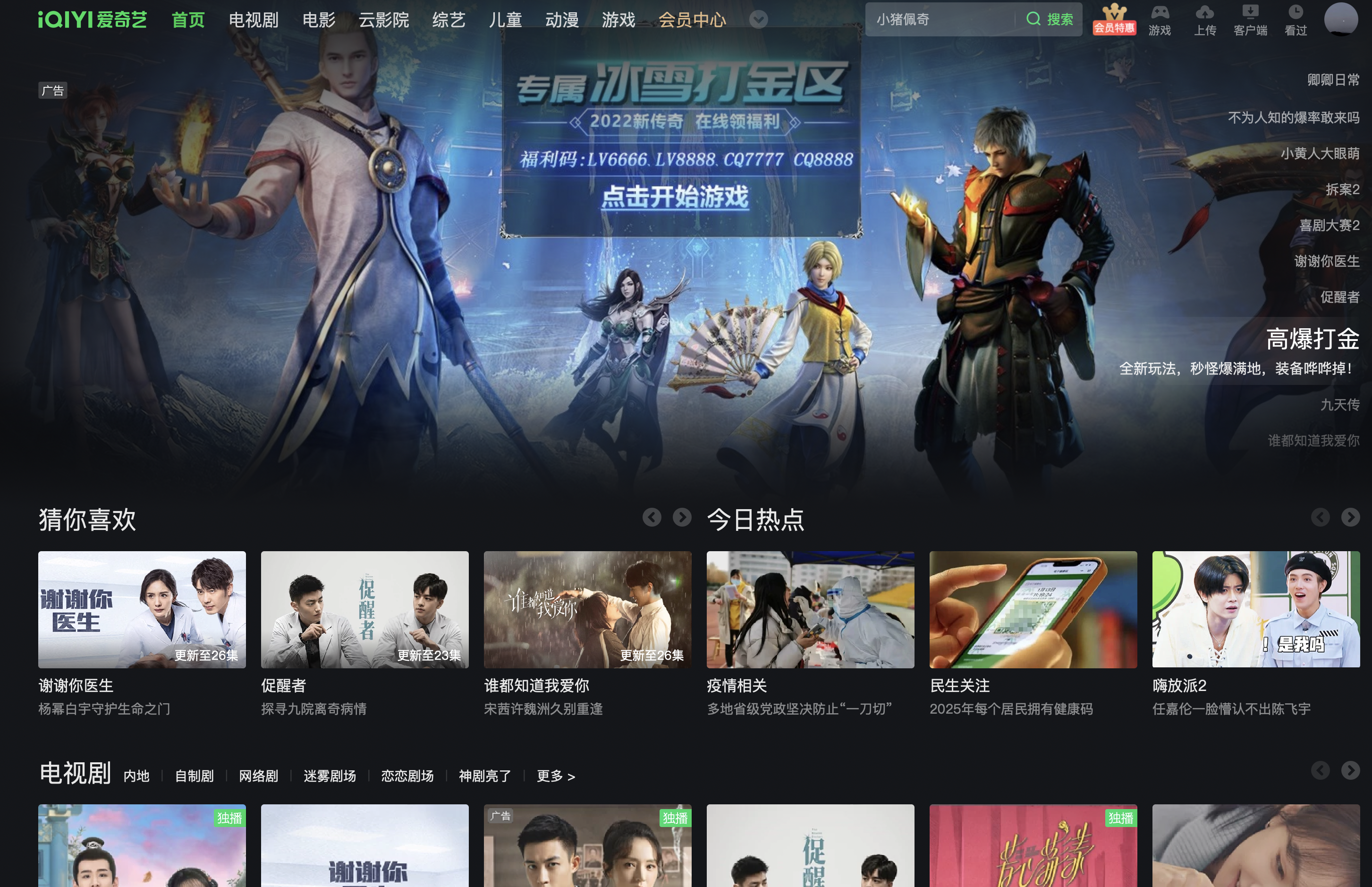
iQiyi, as one of the giant streaming service mediums in China, markets its brand as insisting on the “privilege quality,” offering the best users’ experience referring to Netflix’s logic and paradigms but has been significantly criticized since it founded. The most crucial and challenging problem is Netflix helps users to find out their interests and then customize a personal profile that serves diverse interests in depth or what Amanda D. Lotz calls “conglomerated niche.” Instead, iQiyi skips the step, and purses are fastidiously integrating fragmenting users across the market, for example, Tencent, Youku, and so on.
It employs a mass customization strategy to benefit from the large scale of cultural commodities consumption. Although users are allowed to use filter bubbles to enjoy the freedom of self-selection, the array is relatively narrow than that of Netflix’s offers. I supposed the worst part is that while iQiyi initiated as a free online broadcaster for all users, it gradually attempted to introduce the member set, portal bundle, annual and monthly subscription formulations, various subscription regulations, the portal did not improve its user experiences, especially for members. It blankets the library page with messy information, like game advertisements and randomly selected serialized dramas and films.
Besides, most of the suggested contents are decided by the data flow: for example, most recommendations produced by indigenous linear channels or dominant media institutions for all users with no difference. Regarding with aspect, most of the viewers think the subscription fee needs to be valued as to the service, episode quality, and subscription payments.
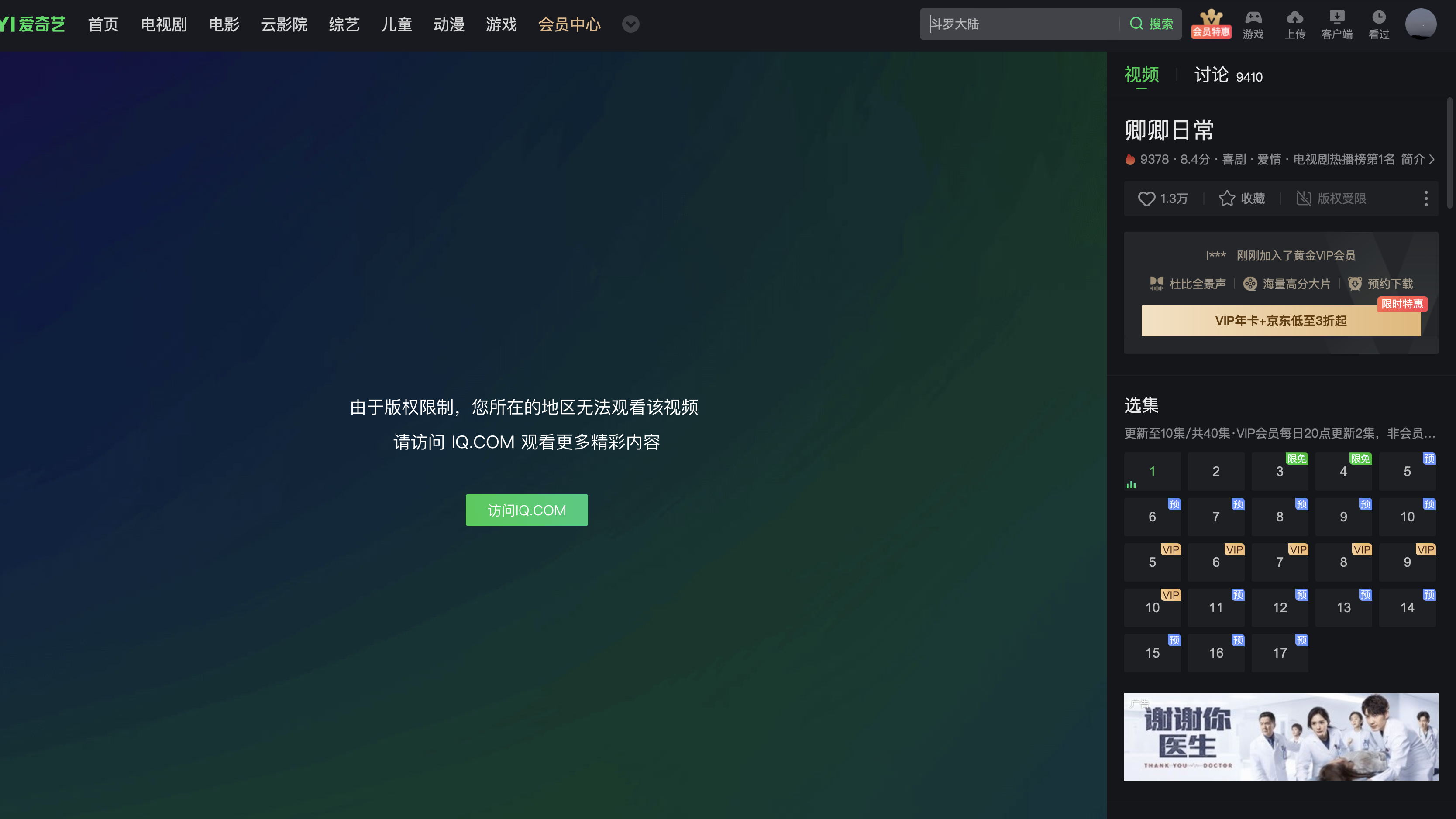
Due to copyright restrictions, the episode is not available for viewing.
The scoop of application of iQiyi limited in mainland China, and its original series prohibit large-scale adoption.
Compared with Netflix, iQiyi outweighs the profits rather than improving user experiences, which is evidently from its mass audience strategy. In some ways, it is not a service provider but a “controller,” particularly for “bounded rationality” viewers. It decides what people should watch or possibly might watch. In summary, I ascribe the reasons why Netflix’s model fell in the Chinese cultural context to the Chinese not get ready for engaging in the TV IV phrase, the media industry has not found a balance between viewing experience and profits. Technically, there is nothing about ancillary technology issues.
Reference
- Mareike Jenner (2018), ‘Introduction: Netflix and the Renvention of Television’, ‘Introduction: Binge Watching Netflix’, Netflix and the Reinvention of Television, pp. 1-31, 109-118.
- Amanda Lotz (2017), ‘Theorizing the Nonlinear Distinction of Internet-Distributed Television’, Portals: A Treatise on Internet Distributed Television, https://quod.lib.umich.edu/m/maize/mpub9699689/
- https://www.netflix.com/gb/
- https://www.iqiyi.com
- https://www.youtube.com/watch?v=UdW4SEEDuRk
Duan Huaijiang 12/11/2022
 Digital Audiovisual Media Class Blog
Leave a comment