Steven Shaviro concludes the sound function, instead of serving as a supplement to the image, the sound itself becomes visual. The shift mainly comes from the advancing technology to improve media evolution, with audiences being served with new equilibriums in sensorial experiences. Chion argues that it is because cutting-edge digital devices extend our physical body, which requires a new ratio between the optical and the hearing, visual and sound. In addition, I think it is not a purely passive force from technology development. Still, artists also contribute a lot of brand-new attempts in their works, including in both technological and aesthetic aspects. In the 21st-century China music video market, Taiwanese artists made bold attempts in the audio-visual realm and then established a distinctive style.
In contrast to cinema format, music video liberates images from a strict confinement that follows a linear timeline conventionally. For Taiwanese music videos, although mainstream directors pursued and tried to create a sense of cinema through images, some producers attempted to practice a new relationship between visuals and images. Jay Chou, a Taiwanese singer and record producer, is good at employing fast montage editing techniques to organically assemble images and soundtracks into a music video project seamlessly.
One of his great works, In The Name of The Father, is evident in the album Ye Hui Mei.
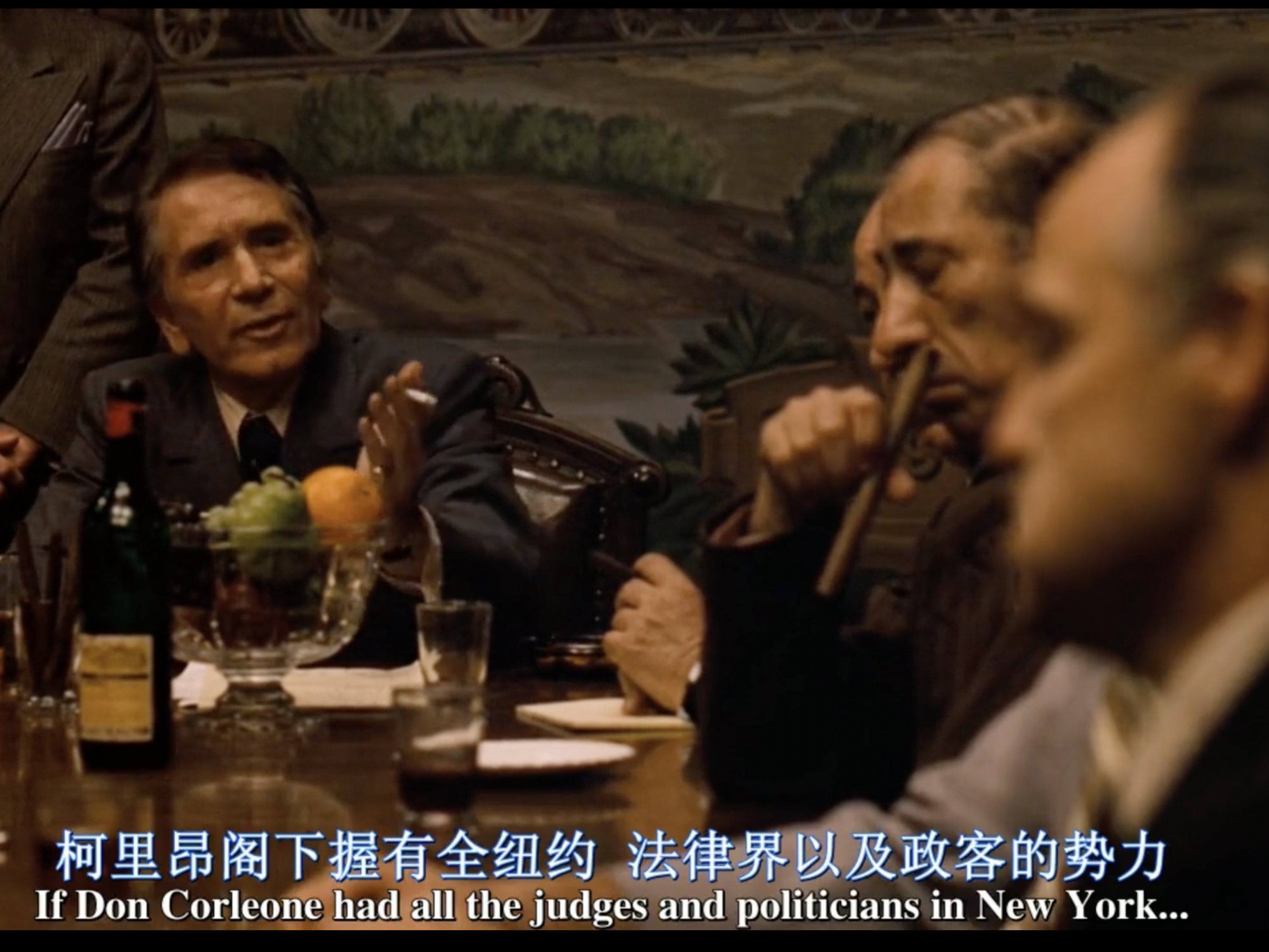
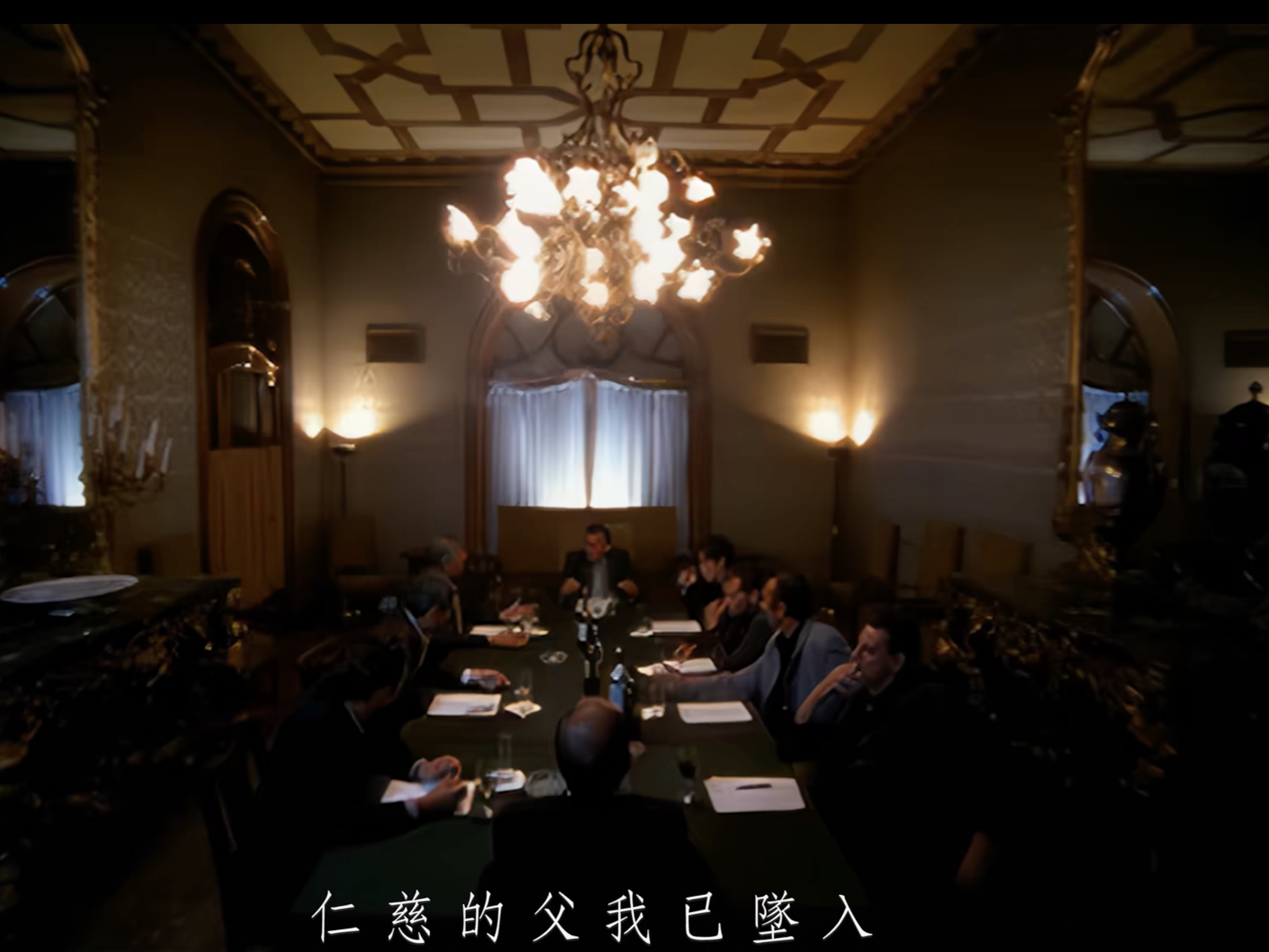
The background of the Song refers to “The Godfather”, whose music video narrates that Jay Chou was adopted by the godfather after he secretly saw the godfather kill his real father. Consequently, Jay succeeded in his seat, became a new godfather, and finished the revenge. The music video preserves the character of the contemporary era, imitating the film style, cinema scoop(in the reproduction edition), and equipped subtitles right below the image. (插入截图1,2)
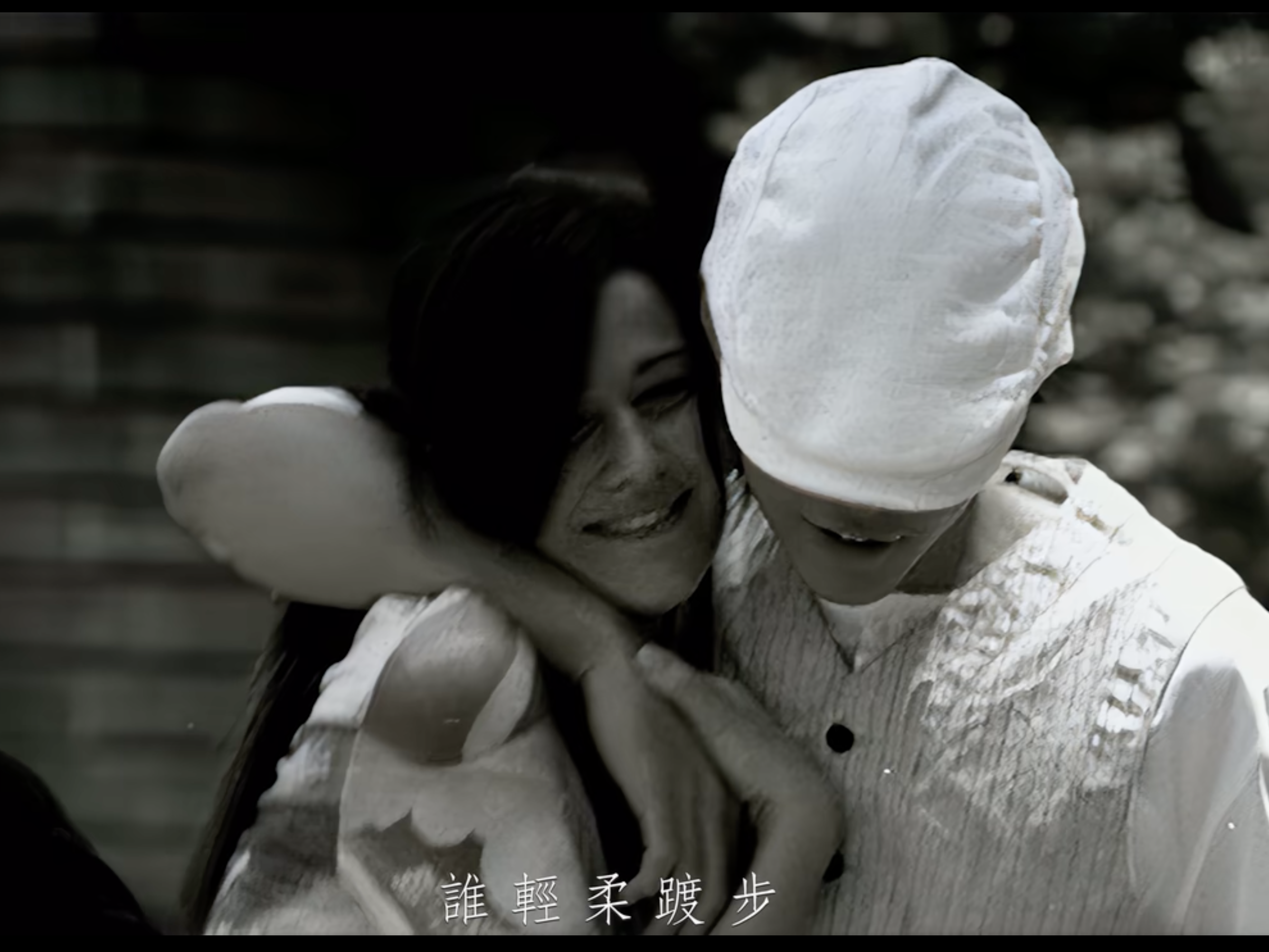
What’s more, the most outstanding point is the director relies upon montage techniques, fast cuts, and multi-mage to construct a two-dimensional world: past and the present. Under the montage, the story follows an inverted detective structure, and its lyrics/ music attributes to the video as a dialogue instead of adding value to images. The design of the image does not strictly synchronize with the Song and the lyrics. The visual elements tend to be constituents of the whole story: they explain each development and stimulate our sensorial experiences to understand the story.
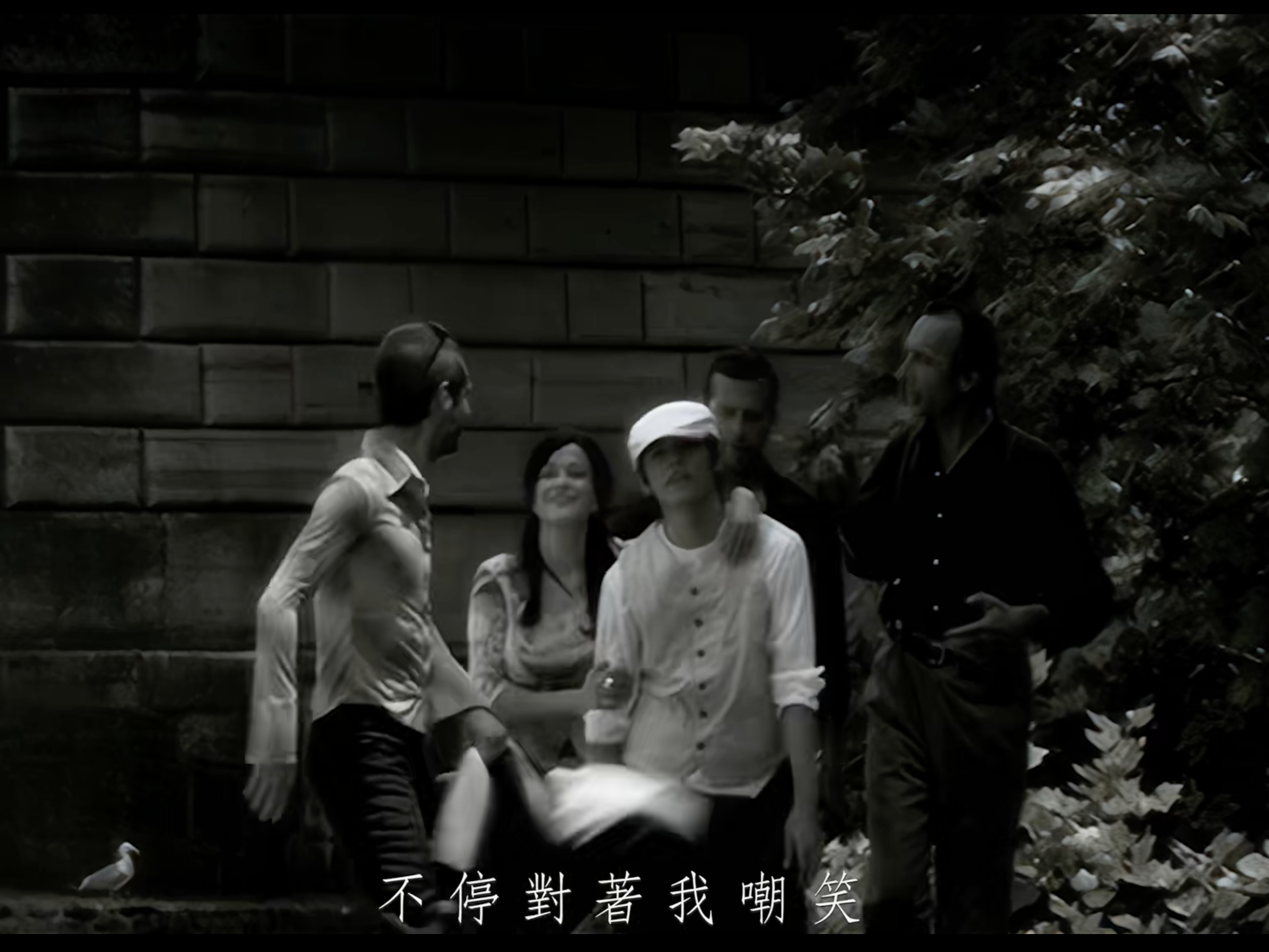
The image from “In The Name of The Father”
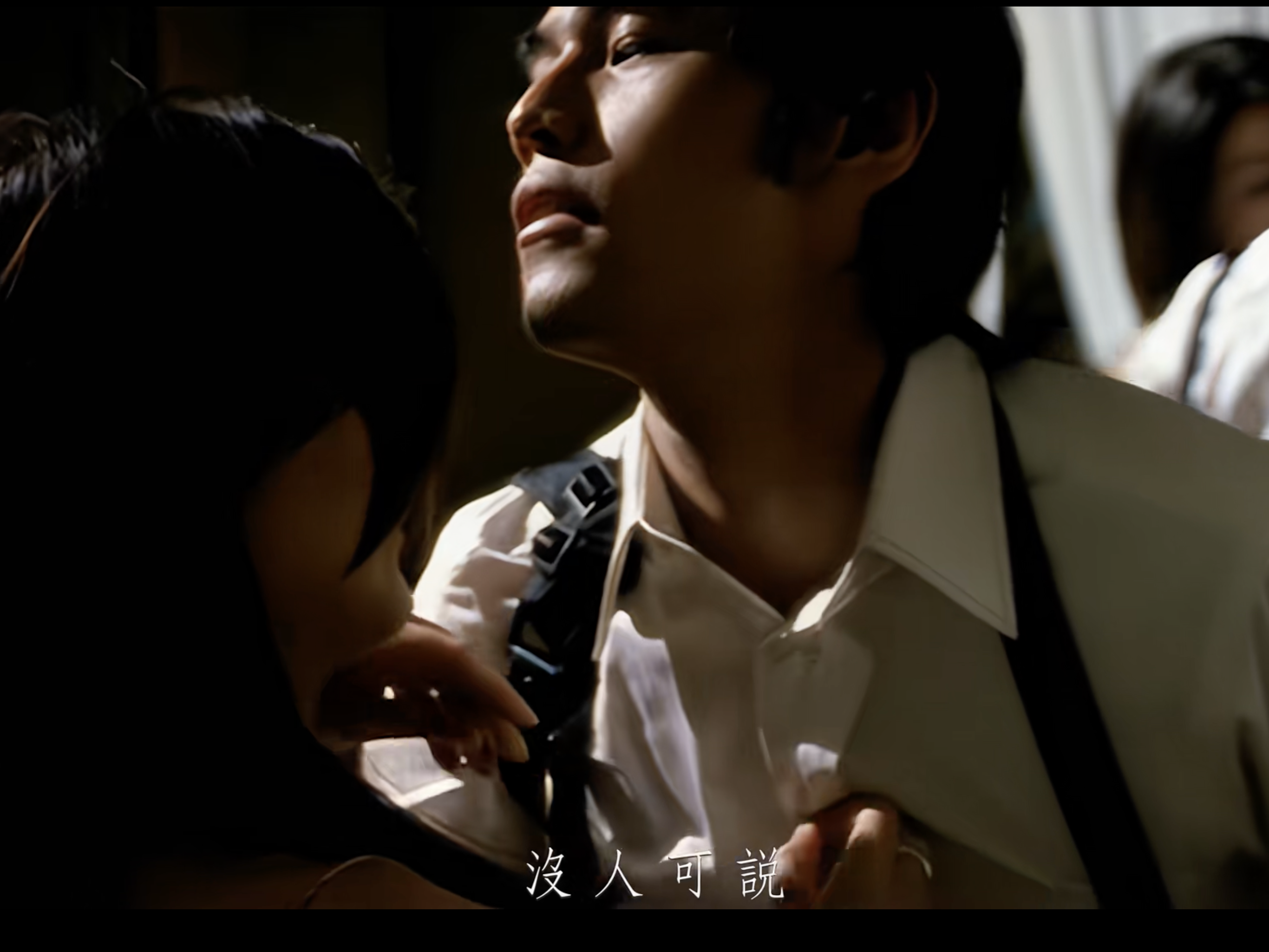
The image from “In The Name of The Father“
Montage editing helps the music video get rides of timeline bound to interlace time and space. The music video extensively used a lot of medium shots and close-ups to foreshadow the protagonist’s social status and relationships and render the mourning, grief, and struggle atmosphere through gestures and expressions. All these shots endure a few seconds by rapid editing, telling different story clues from the memory and the present world.
Apart from the montage, the producer by means of altering the grayscale to make sure audiences have access to distinguish whether the plot is a memory segment or not. When recalling some memories, the clip would end up with a slow-time effect and black-and-white effect.
To sum up, the music video, In The Name of The Father, shows a tendency for audio-visual relationships in the melody and image to be integrated through montage narration and digital effects.
Reference
- Steven Shaviro, ‘Splitting the Atom: Post-Cinematic Articulations of Sound and Vision’, Post-Cinema: Theorising 21st Century Film, 384-397
- https://open.spotify.com/search/以父之名
- https://www.bilibili.com/video/BV1JK4y1u7KH/spm_id_from=333.337.search-card.all.click&vd_source=267d9601984d97f4f19f93f1806a022f
- https://www.youtube.com/watch?v=9q7JOQfcJQM
Duan Huaijiang 24/11/2022
 Digital Audiovisual Media Class Blog
Leave a comment