Representation and Diversity in TV: Can We Ever Get it Right?
Violette Simard
Friday, November 25th, 2022
One of the essential characteristics of streaming platforms such as Netflix is the inclusion of shows that spotlight diversity and representation. Netflix original series such as Orange is the New Black (2013), and Sense8 (2015) were important contributions in making strides towards giving diverse stories more visibility in the mainstream. Taking into account the concept of Trans TV, and how technological advancements allow for aesthetic ones as well (Goddard and Hogg, 2018), how can we determine if streaming platforms and/or television networks are doing it for show or out of genuine interest?
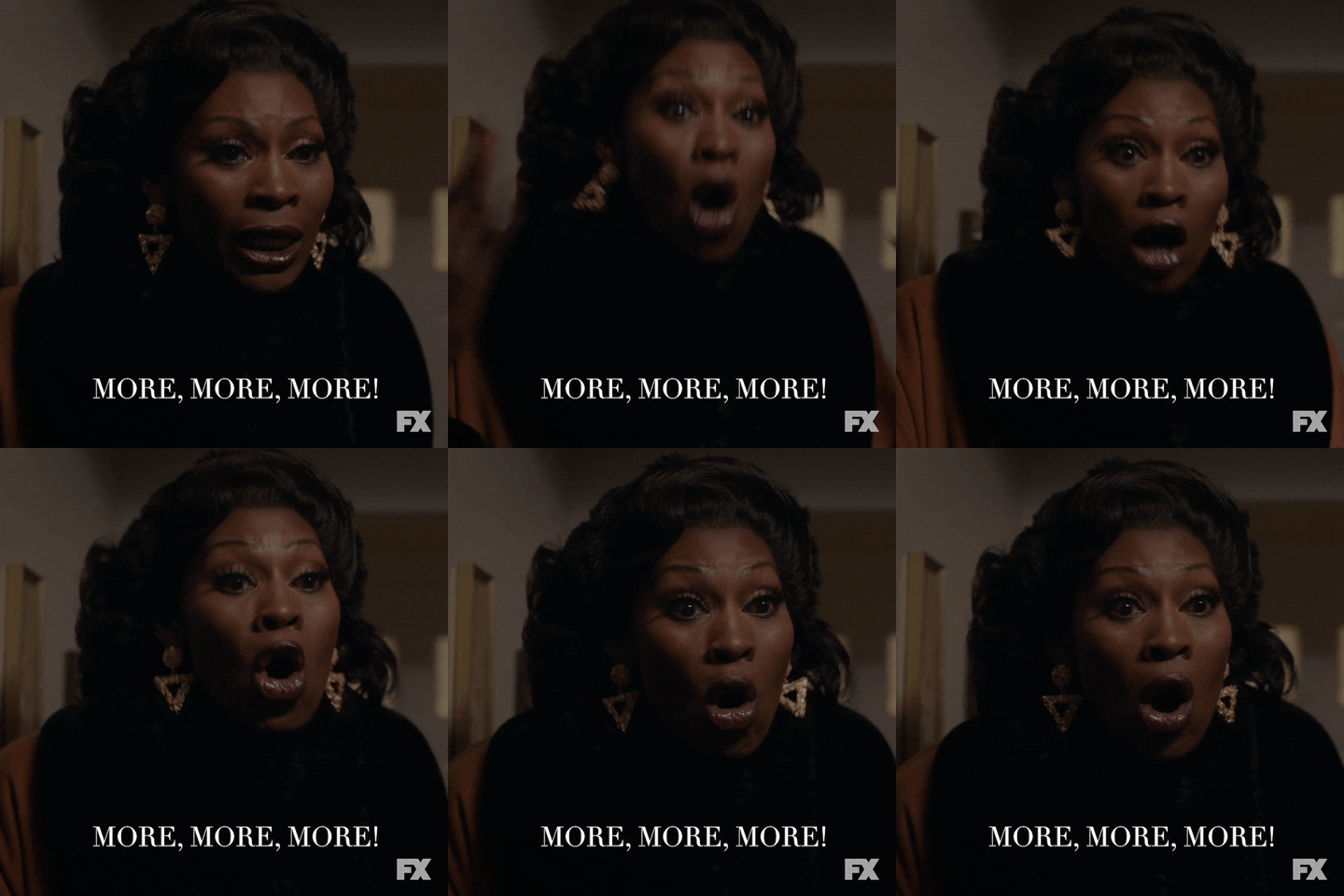
Goddard and Hogg make the point that because of its particular modes of production, distribution, and consumption, internet-distributed TV allows for a more direct relationship with very specific demographics (2018). Indeed, algorithm-ruled programming gives streaming platforms an insight into the audience’s taste(s) and demands and thus can deliver programs accordingly (Lotz, 2017). Where certain programs failed to deliver the “right amount” or “right kind” of representation, others are created to fix those mistakes, thanks to viewers’ reactions which could be gauged through social media for example.
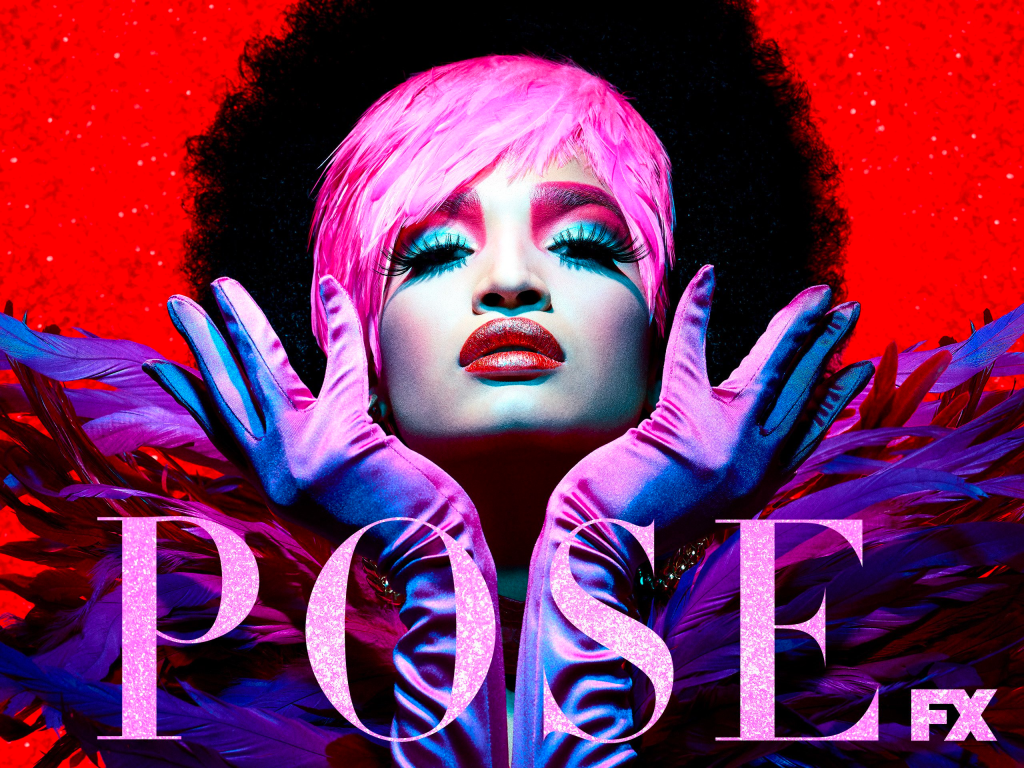
When a show like Pose (2018) aired for the first time, it was received as a breath of fresh air; a show that was able to fill in all the previous gaps in TV when it came to Black and Brown queer representation. The cast and crew also reflected that diversity and were able to create storylines that reflected a reality they were familiar with and able to bring to life (Variety, 2021). Similarly, a show like The L Word: Generation Q (2019) was able to fill in representational gaps as Pose did, but also rectify past mistakes from its original series, The L word (2004) (Advocate, 2019).
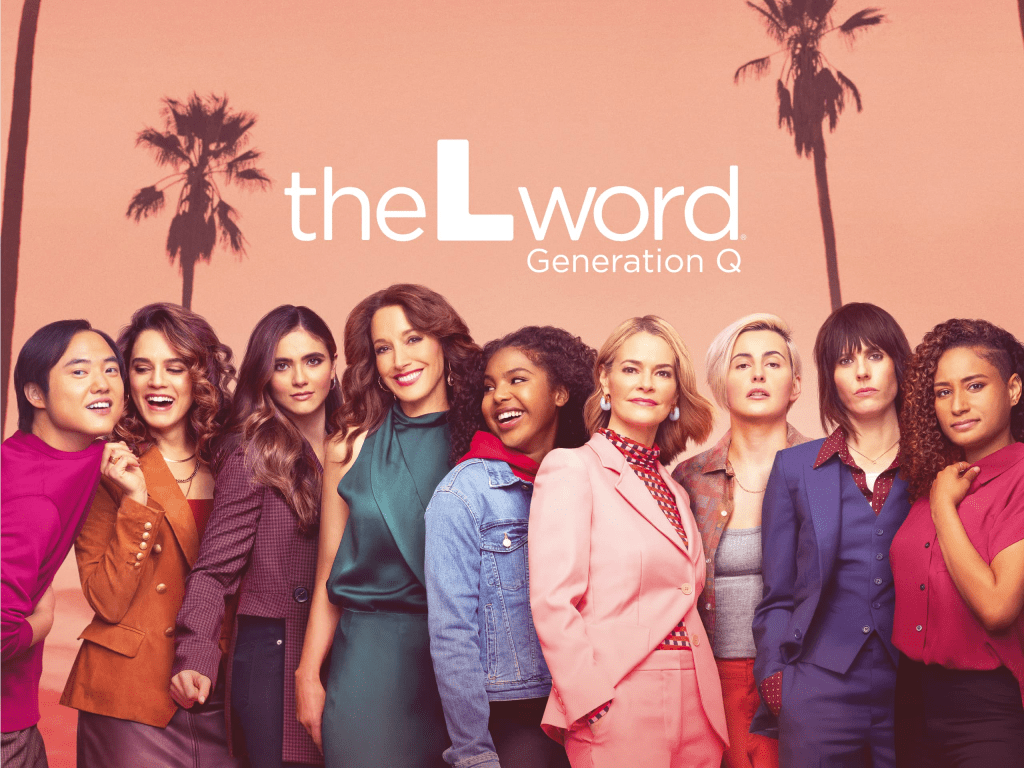
Shows like Pose and The L Word: Generation Q seem to be appropriate rectifications of past missteps with representation and diversity, and a great example of the way technological transformations and changes in the industry allowed for a “more open manifestation of television” as put by Goddard and Hogg (2018, p.472). The developments in television that are being brought forth with Trans TV, or the TV IV era in general, not only allow for new forms of storytelling to exist but for mistakes of previous shows to be fixed. Even if a show doesn’t get it right when it comes to representation, it only creates more stories to be told.
Bibliography
Gilchrist, T. E. (2019) ‘Does ‘The L Word’ Appeal to Queer Audiences Today?’, Advocate, 21 November. Available at: https://www.advocate.com/exclusives/2019/11/21/does-l-word-appeal-queer-audiences-today (Accessed: 25 November 2022).
Goddard, M. and Hogg, C. (2018) Introduction: Trans TV as concept and intervention into contemporary television”, Critical Studies in Television, Vol. 13(4), pp.470-474. DOI: 10.1177/1749602018798217.
Lotz, A.D. (2017). ‘Strategies of Internet-Distributed Television: Vertical Integration and the Studio Portal’, in Ann Arbor Portals: A Treatise on Internet-Distributed Television. http://dx.doi.org/10.3998/mpub.9699689.
Turchiano, D. (2021) ‘How ‘Pose’ Paved the Way for Better TV Representation – In Front of and Behind the Camera’, Variety, 23 April. Available at: https://variety.com/2021/tv/features/pose-final-season-steven-canals-impact-legacy-representation-1234946630/ (Accessed: 25 November 2022).
 Digital Audiovisual Media Class Blog
Leave a comment