by Clara Heras Aguilar
33676766
Platformization was defined by Anne Helmond as “the rise of the platform as the dominant infrastructural and economic model of the social web”(Heldmond 2015, 1, Burgess, Craig and Cunningham 2021, 22). This infrastructure behaves as an interconnected digital container in which economic and governmental logics are hidden behind them. The spread of this multimedia practices allows neo-capitalism not just sell us new ways of inserting advertisements in our dailylives, but introducing lifestyles, ideas, discourses or goals —just to give some examples— that establishment want us to take part of. The influences between power structures and this “platform paradigm” is undeniable. They feed each other practices.
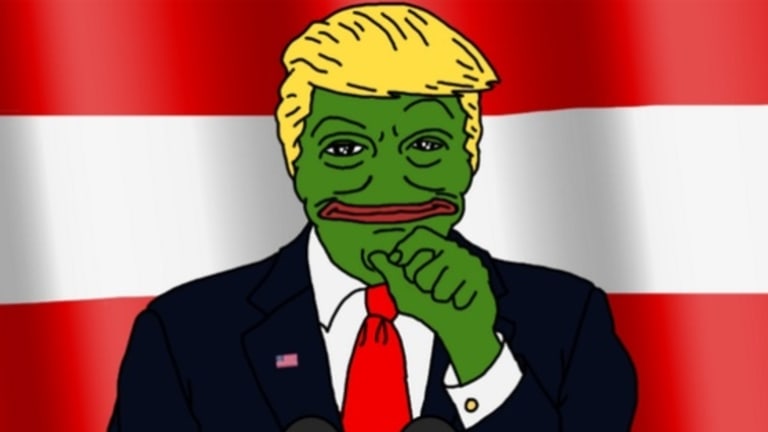
One of the main reason of this success is due to the lack of information about how platforms’s logics and settings actually work out. We have always heard about algorithms, but the truth is that neither the common platform user or the professional creator have all the tools to understand them, producing an impact on creator’s work. Definitely, this issue impacts the way we shape culture. Using Sophie Bishop words: First, we should indicate “what algorithms are doing”; secondly, “what content creators think an algorithm is doing”. Hence, “how perceptions of its value systems are consciously or unconsciously incorporated into vlogging practices”(Burgess, Craig and Cunningham 2021, 27). Sometimes is quite difficult to understand the reason why a specific content becomes viral, but sometimes we detect power structures in its shadows. Feels good man, a documentary directed by Arthur Jones in 2020 shows us Pepe the frog controversy since it was firstly drawn by his creator Matt Furie.
Black Hallinan and Ted Striphas argue that “algorithm become arbiters of culture” (Craig and Cunningham 2021, 50). Could we certainly say that algorithm promotes hate speeches? Unfortunately, the misinformation about how really algorithm is articulate is a fact, therefore I could not directly affirm so.
However, this lead us to the following: Firstly, not being accessible knowledge about it for everybody generates violence. Secondly, analyzing Pepe the frog multi-platform history —it was created in 4chan, but it turned into an Internet meme legend, posted globally through all kind of platforms— we notice that algorithm (even better, as it is not overstatement to say) or power structure and platform logic’s do not restrict enough violent practices. In fact, Pepe the Frog meme took part of the imaginary construction of Trump, Ku Kux Klan or the white power skinheads.
Even the volatility of Social Media Content, when Pepe the Frog’s creator tried to rebuild the collective imaginary from his character, it was too late. But it could not be so to destroy algorithm.
References:
· Jean Burgess (2021), ‘Platform Studies’, David Craig and Stuart Cunningham eds. Creator Culture: An Introduction to Global Social Media Entertainment
· Stuart Cunningham and David Craig (2019), ‘Platform Strategy’, Social Media Entertainment: The New Intersection of Hollywood and Silicon Valley
· Jones, Arthur. Feels Good Man. 2020. Sundance: Ready Fictions Wavelenght. 2020. Filmin.
 Digital Audiovisual Media Class Blog
Leave a comment