As described by Christopher Hogg on the subject, ‘Trans TV’ refers to “a medium in a process of transformation, and a starting point for reflecting on the emergence of prominent televisual representations of transgender characters, as well as, in some cases, performers, writers and producers.” (Goddard, Hogg, 2020, p.256) Transgender people are currently receiving more media attention than ever before in history, thereby causing more shows containing trans stories to be funded and produced. However, its not quite that simple.
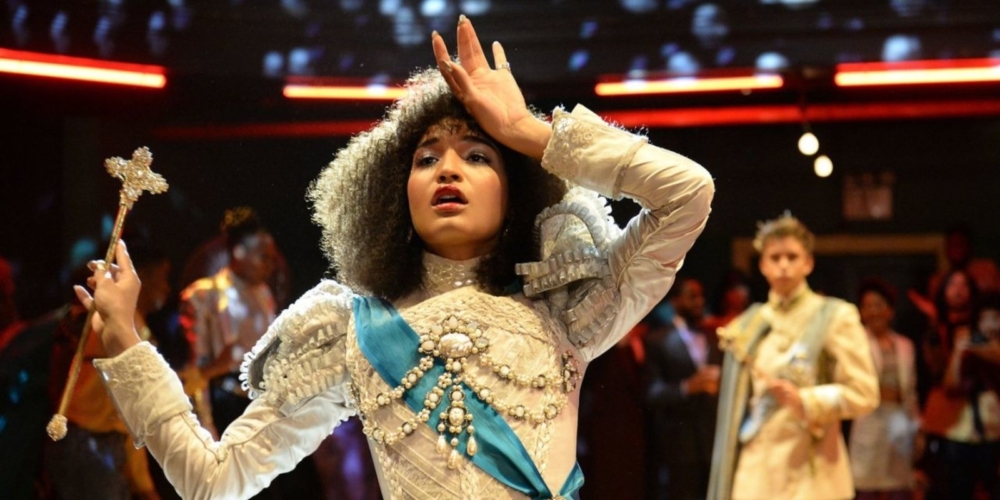
Unlike the majority of previous entertainment depicting transgender characters, “Pose puts trans talent front, centre and behind the scenes with ‘several trans women of colour as its leads”. (Goddard, Hogg, 2020, p.260) These intersecting traits not only reflect modern political discussions surrounding the importance of identity, but real life stories that have historically been neglected both in and outside of the queer community. Show runner, “Ryan Murphy’s original idea was to make a fictional TV series beginning with the world depicted in Paris is Burning, ” a 1990 documentary about the New York ballroom scene.

After the 1990s provided many firsts for gay representation on TV, it became apparent that the LGBT audience was a viable market to explore, being that there was more of a tendency towards the fanatical. Although not as broad a demographic, queer communities tended to display a higher level of loyalty towards shows that resonated with them. The internet fandom surrounding The L word for example, saw “media corporations exploit and channel fan productivity toward commercially viable ends.” (Cameron, 2017, p.2) Equally, internet television streaming and the increased use of multiple screens, allowed for individuals being a target audience, rather than the family unit. “Portal subscribers assess the value of subscriber-funded, internet distributed portals based on the availability of content that matches personal interest” (Lotz, 2017), thereby allowing gay and trans people to consume media away from a potentially disapproving group, producing their own market in the process. Although Pose has been criticised for its capitalist leanings, it undoubtedly exists to serve this identified demographic.
By Lily Thetford (33659272)
References:
Goddard, introduced Michael, and Christopher Hogg, (2020) ‘Introduction: Trans TV Dossier, III: Trans TV Re-Evaluated, Part 2’, Critical Studies in Television, 15.3, 255–66
Lotz, A.D. (2017) Portals : a treatise on internet-distributed television. Ann Arbor, Mich.]: Maize Books, an imprint of Michigan Publishing.
Cameron, K. (2017) ‘Constructing Queer Female Cyberspace: The L Word Fandom and Autostraddle.com’, Transformative works and cultures, 24.
 Digital Audiovisual Media Class Blog
Leave a comment