The coverage of queer characters on a TV program has increased rapidly, thanks to the Internet and streaming services, and it gives the global audience the cosmopolitanism of queer identification and the LGBTQ society
TV shows used to be the “third golden age” (Martin, 2013) of the rise and the hegemony of traditional cable television. Looking at the TV shows that represented the LGBTQ community in the 90s and the early 2000s, only a few were significantly presented as the main characters for the community. However, the importance of characterizing these gay, lesbian, and trans characters is momentous. They provide the same audiences with vehicles to experience an “alternative way of life” vicariously. (Edwards, 2009)
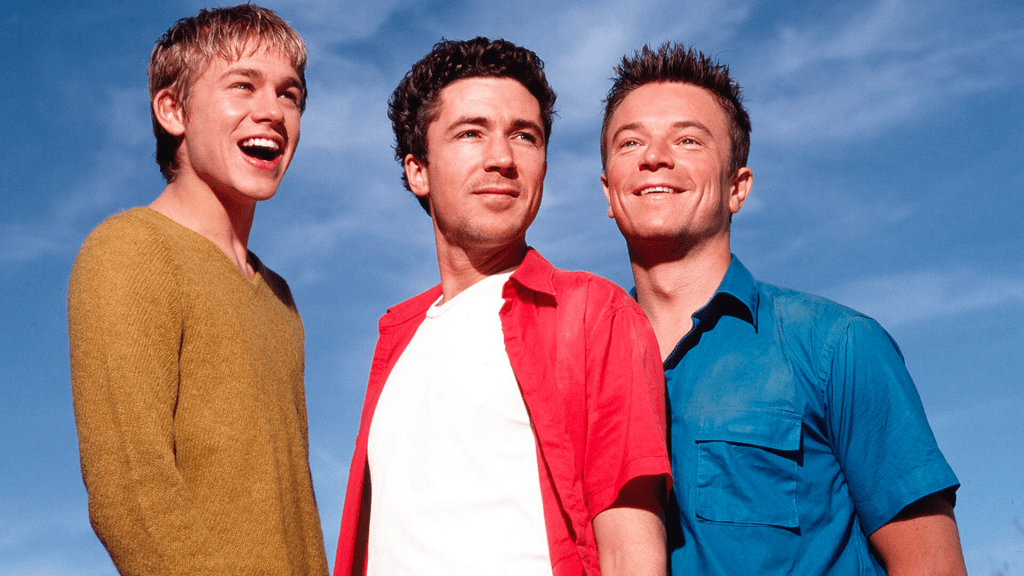
Queer as Folk is a symbolic TV show airing in 1999 and ending in 2000. The series focuses on the personal lives of three gay men in Manchester. The image and the idea were exceptionally provocative to some audiences then. The first 15 minutes of the first episode is a sequence of a gay sex scene, showing two naked men having intimate pleasure. It was groundbreaking and progressive for a cable TV show to present such sexual activity. It had to begin with a warning, a retransmission voice-over alerting the viewer to the “Sex” with a capital ‘S’ and some strong language.
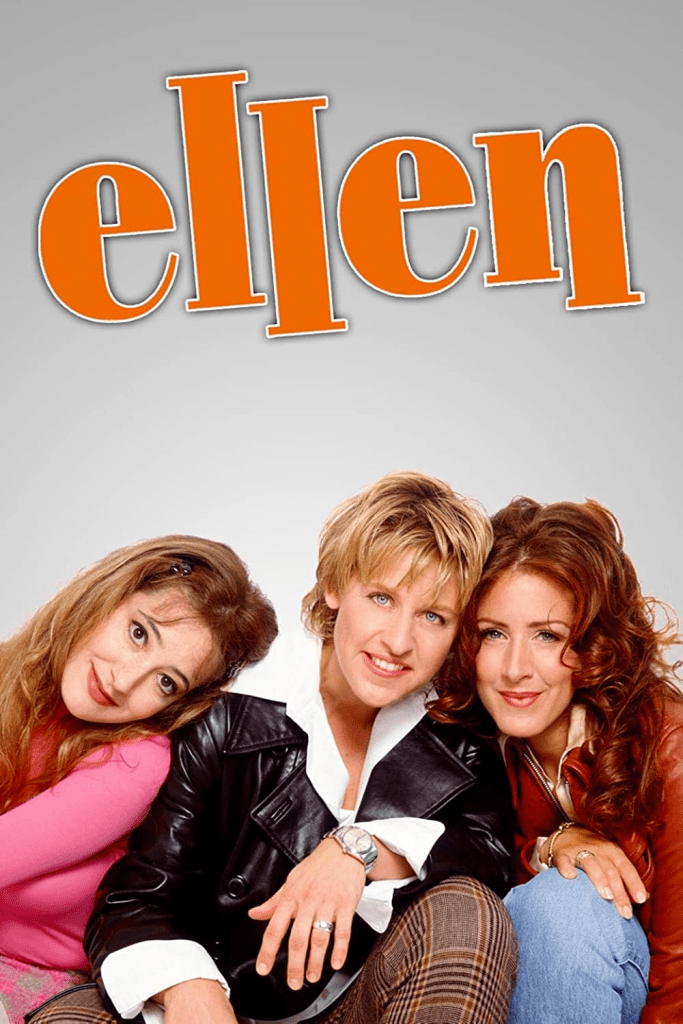
Ellen’s coming-out episode on 30 April 1997 was also a revolutionary moment for the lesbian community. Ellen Degeneres starred in her self-titled sitcom Ellen (1994-1998) and decided to come out as a lesbian, both in and outside the show. The first was the perception of the show’s lesbian character and star as a first, as something that had never before occurred in television. As comic Lea Delaria pointed out, not only was the firstness of the coyly named “Puppy Episode” highly manufactured, but its celebration was a historic moment in lesbian and gay political circles. Queer fiction and characters could now permanently and officially shape the structure of the American sitcom narrative.
However, though the coverage of gay and lesbian are emerging, most of them are Caucasians. Their appearance on broadcast TV could not represent the lives of black, Muslim, or Asian queer identities. It was not diverse enough; in other words, it was not fulfilling the “cosmopolitan” Ulrich Beck defines:
“…an alternative imagination, an imagination of alternative ways of life and rationalities, which include the otherness of others. It puts the negotiation of contradictory cultural experiences into the centre of activities: in the political, the economic, the scientific, and the social.”
The rise of OTT streaming services, such as Netflix, Amazon Prime, Disney+, HBO+ and others, encourages creators to tell queer stories representing different cultural backgrounds, ages, and societies. These platforms adopt perspectives from various cultures, which enrich the definition of what being queer is.
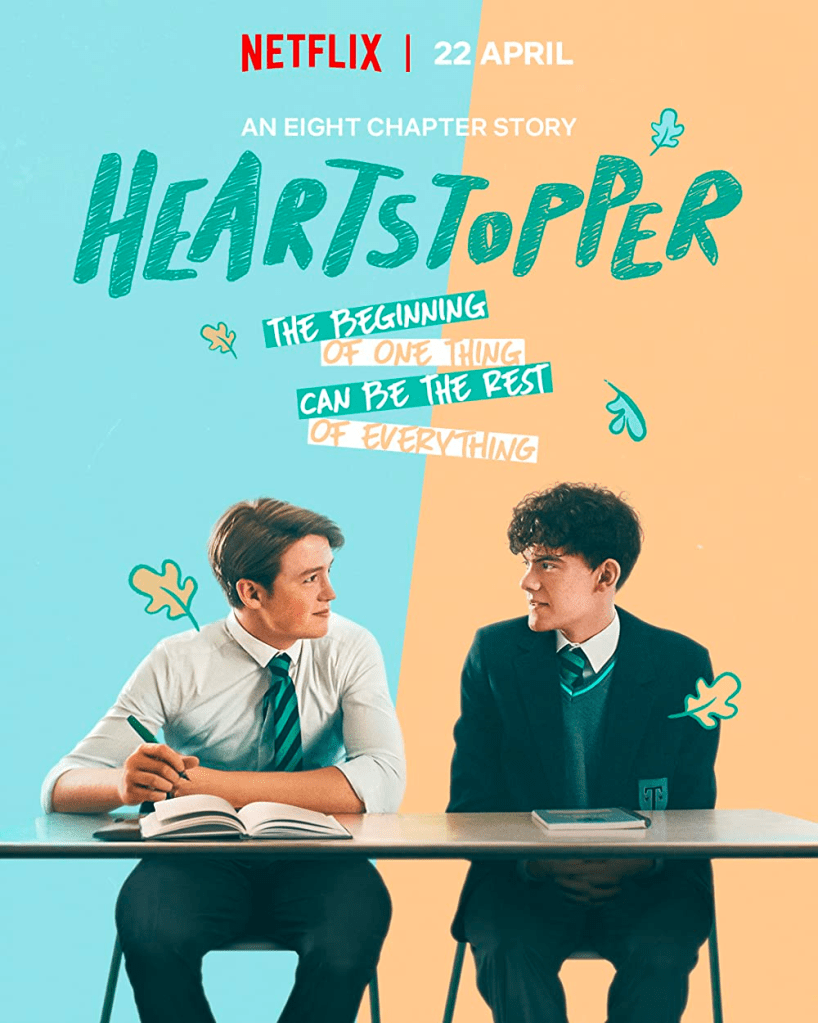
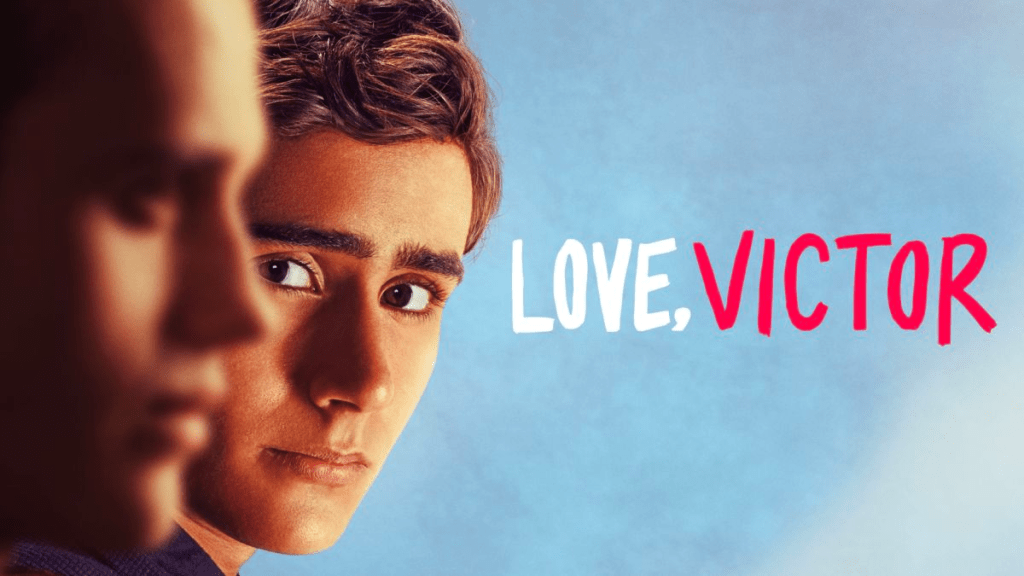
Heartstopper (2022-), and Love, Victor (2020-2022) are series that revolve around teenage boys in high school questioning their sexuality and figuring out how to accept their identities while facing pressure from family and society. What is interesting is the background for Love, Victor sets in a Latin American family, which could be more conservative regarding this subject.
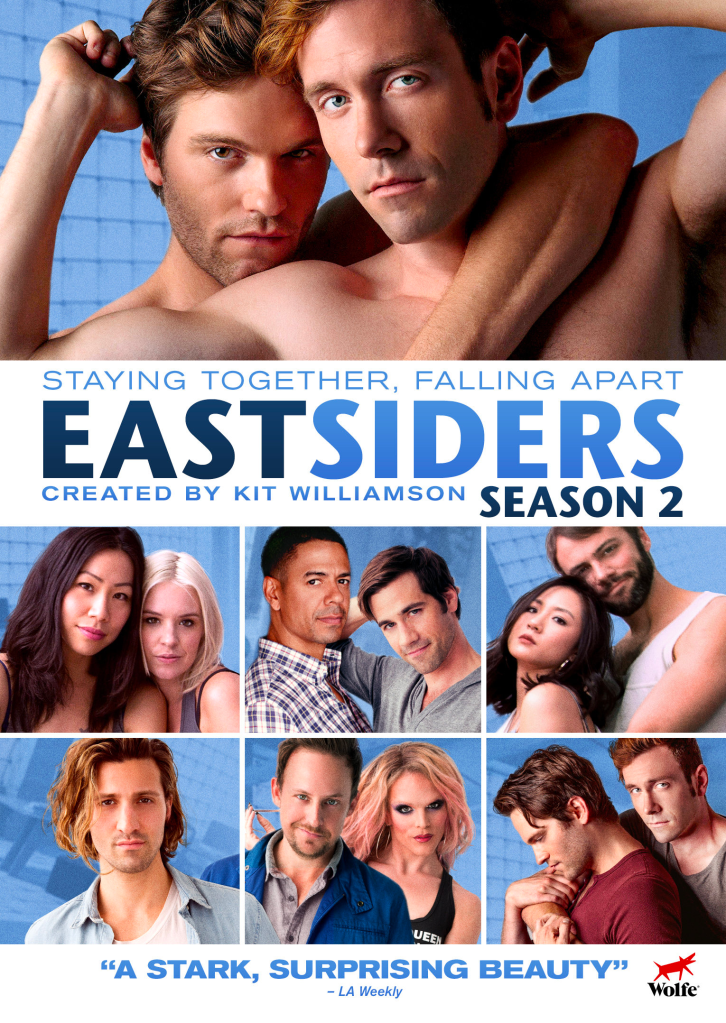
The characters in Please Like Me (2013-2017) and Eastsiders (2012-2019) are stories of gays in their 20s. The series explores how people communicate and interact with their significant others, whether with a new out homosexual or the dispute/concurrence between open relationships. They show the excitement of queer lives, the sexual experience, the conflicts, and how they dealt with society with their perspectives in different countries and cultures.

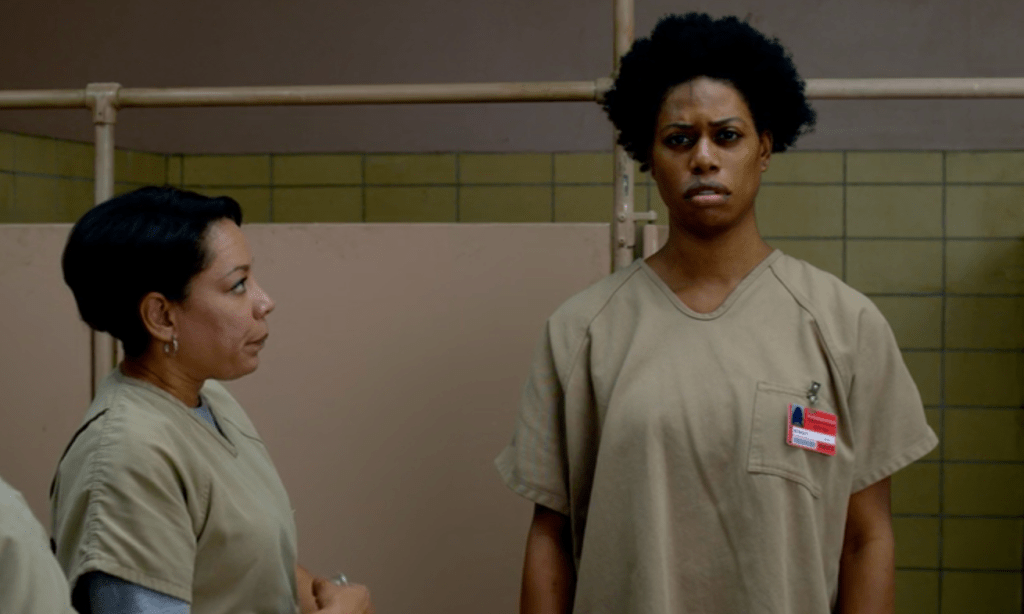
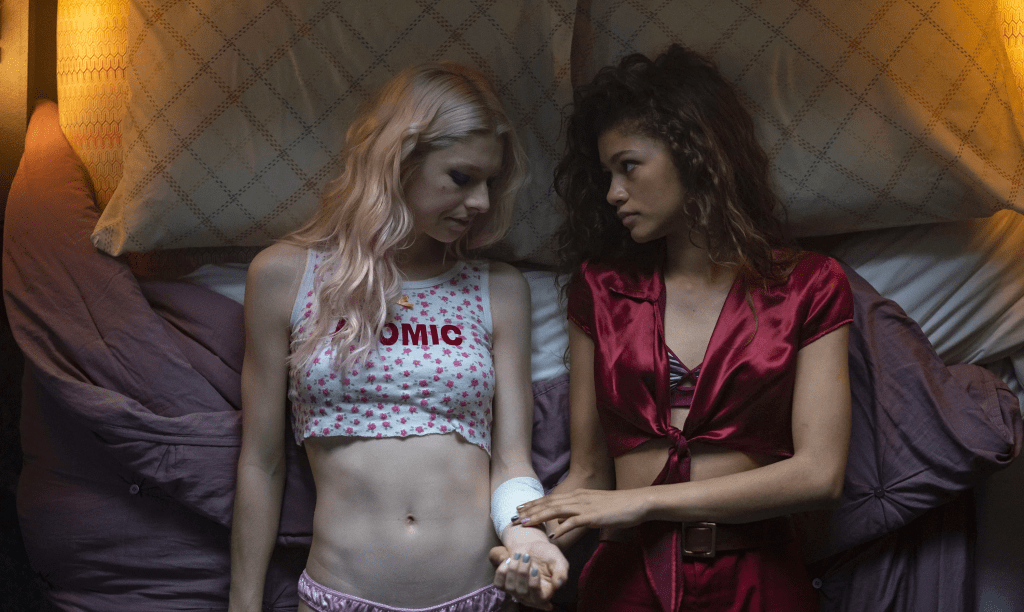
In Orange is the new black (2013-2019) and Euphoria (2019-), transgender characters are also a significant part of the stories. In Orange is the new black, Sophie Burset (played by Laverne Cox) ’s story is presented entirely from male to trans. The scenes realistically show what transgender people go through, from their self-identification to their transformation and their lives as transgender. Hunter Schafer from Euphoria is a high school student with a transgender identity. The show shows us how younger age child navigates their gender and sexuality. Both actors are transgender in real life, which lets people understand more about this community, and what they have been going through.
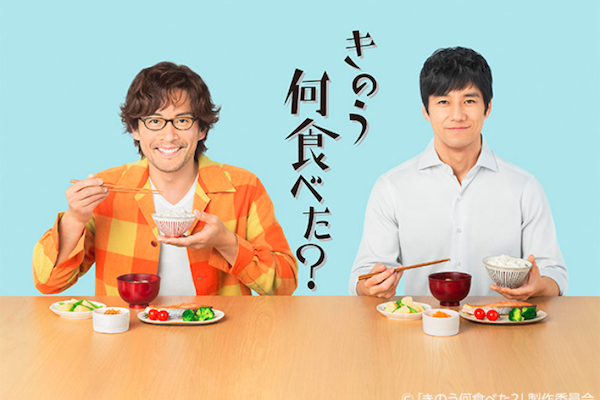
The widespread queer image increased acutely, especially with the help of streaming services. In Asia, the LGBTQ community are also arising with power in media. History (2017-) is an internet series that interprets Taiwanese gay lives, including how couples dealt with problems when same-sex marriage was not legal. What Did you Eat Yesterday? (2019-) shows the everyday life of a same-sex couple, how they face difficulties with neighbours, and the pressure in the workplace and society when same-sex marriage has not been legalized in Japan.
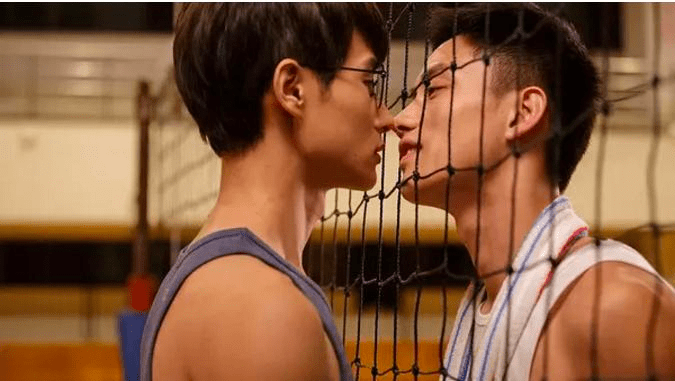
Gagaoolala, a Taiwan-based streaming platform, helped boost queer TV in Asia. The service launched in March 2017, initially only in Taiwan, before rolling out to the 10 ASEAN nations in 2017, then became a service available globally, except in mainland China and North Korea, in May 2020.
It is the first LGBT-focused OTT platform in Asia. Its catalogue includes feature films, shorts, documentaries, series, and original content.

Shih-Kai Yang
 Digital Audiovisual Media Class Blog
Leave a comment