Avatar (2009) is one of the most epic science fiction films of all time. It is the highest-grossing film in film history, with over $ 2.9 billion US Dollars box office, surpassing the most-grossing movie at the time Titanic (1997). Moreover, it is also the first movie made entirely using new motion capture filming techniques and was released for traditional and 3D viewing.
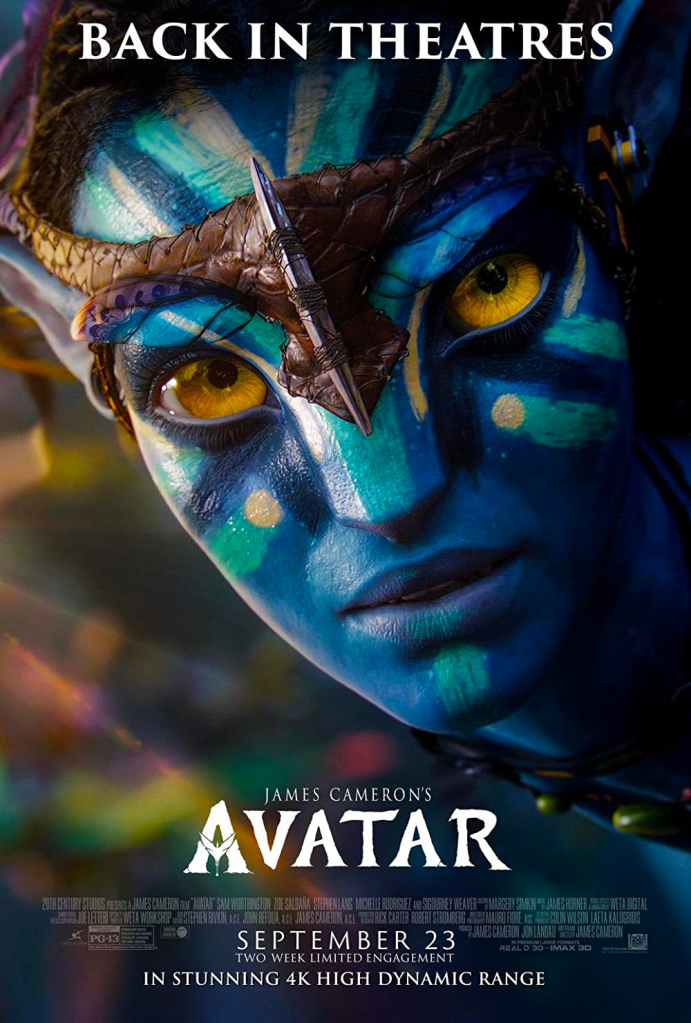
Avatar was written, directed, and produced by James Cameron and is his most determined film to date, and one that had been in development for years (since 1994, to be exact). He was supposed to begin with the production after his work on Titanic in 1996. However, the technology at that time still needed to accomplish his expectation.
Avatar was a massive work, creating the world of Pandora, developing the language of the Na’vi, and navigating the new filming technologies. The production began in 2006. Cameron worked on new motion capture animation technologies that let him capture the actors’ facial expressions so the animators could later use them. Other technologies developed for Avatar were a new system for lighting massive areas (like Pandora’s jungle), a new texturing and paint software system, and new ways to make many CGI elements look as realistic as possible. Computer-Generated Imagery, abbreviated as CGI, creates still or animated visual content with computer software. CGI is also called 3D imaging or 3D Rendering. The history of CGI goes back to the 1950s when mechanical computers were used to create patterns onto animation cels which were then included in a feature films. It took many years for computers to fully harness CGI’s power and allow directors to bring their visions to life.
Avatar also made the 3D format famous (and relevant) again, with many films getting 3D releases ever since. It was built to be a one-of-a-kind theatrical experience, and it succeeded in that and made it possible for other films to use these new technologies to their advantage.
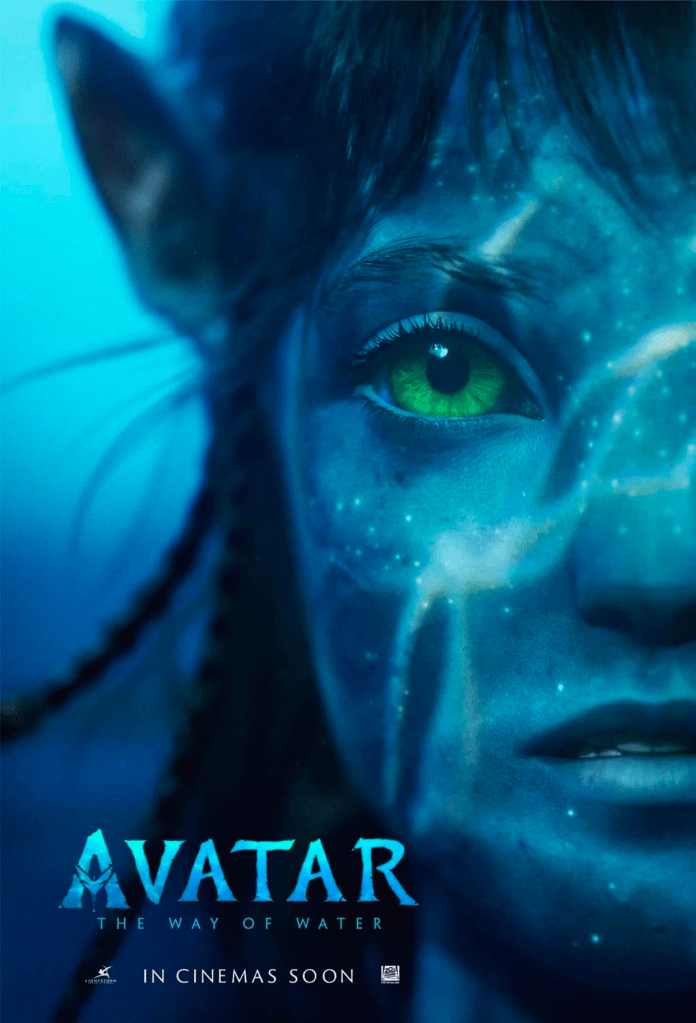
Undoubtedly, Avatar is one of the most groundbreaking movies. It has set a benchmark for movie makers afterwards. Many movies use this kind of technology for a macro universe view, for example, the Avengers, many other Marvel Cinematic Universe movies, and Dune. Of course, the highly anticipated sequel to the first Avatar, Avatar: The Way of Water, is soon to be released. With over a decade of production and more advanced filmmaking technology, it will be a movie that once again changes history.
Shih-kai Yang
 Digital Audiovisual Media Class Blog
Leave a comment