The dawn of the 21st century was also the dawn of the third ‘Golden Age of Television’. Some works filed under this era are David Chase’s The Sopranos, Matthew Weiner’s Mad Men and David Simon’s The Wire. Although highly praised, all had difficult male protagonists and toxic masculinity in common (Martin, 2013). As the decades passed however, the trend of heteronormative toxic male protagonists became subdued by the up rise of queer and trans protagonists. This shift can be credited to Netflix’s graduation from a counter-hegemonic entertainment platform to a hegemonic which popularised progressive shows such as Jenji Kohan’s Orange Is The New Black, The Wachowski sisters Sense 8 and Joey Soloway’s Transparent. Although a positive at face value, this up rise in the mainstream representation of the LGBTQ+ community sparked conversations about how genuine it is. Exactly why was the growing representation of the LGBTQ+ community convergent with the rise of streaming services and their productions? Is it just because trans is hot right now?
Prior to the 2010s, mainstream entertainment painted queer and trans characters in a good light were rare they were often portrayed in a hyper-sexualised and grimy light, even in international cinema such as Pedro Almodóvar’s All About My Mother in which Agrado and Lola (two transgender women) are wrapped up in a tale of violence, HIV and prostitution.

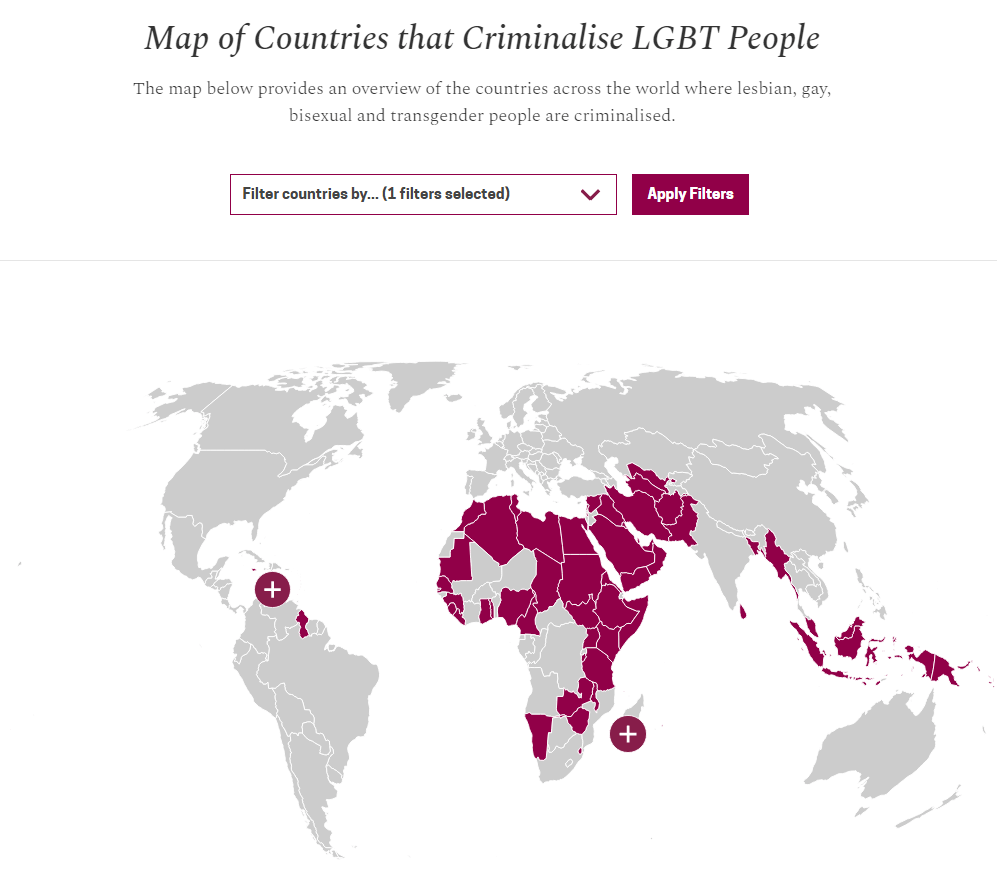
Obviously queer and trans people have existed long before their representations in mainstream media, but why did it take so many years before they received light? Academics Christopher Hogg and Michael Godard argue that there is a lag between the emergence of new sexual identities and conventional TV representations. Another reason is because their portrayals can be particularly mono-national due to the differences in politics beyond every country’s border in the world. Being trans, gay and queer is still punishable in well over 20 countries in the world. Geopolitics is one of the biggest hinderances to the representation of LGBTQ+ community in mainstream entertainment, and this is one of the reasons why there is still an uprising in the need for representation lead by the LGBTQ+ community.
BY ELORM KWESI AHORSU
01/12/2022
 Digital Audiovisual Media Class Blog
Leave a comment