This blog is a reflection of our Week 1 Lecture: The digital transformation of cinema and television. In this week, we were introduced to the digital transformation of film and television, new media and the concept of post-cinema. The term ‘post-cinema’ refers to a theoretical perspective that suggests a departure from traditional cinematic forms and practices (Denson and Leyda, 2016). It emerged as a response to the digital revolution and the proliferation of new media technologies that have transformed the way we create, distribute, and consume moving images.
Post-cinema does not necessarily imply the end of cinema but rather a shift in the ways in which audiovisual experiences are produced and understood (Denson and Leyda, 2016). This includes virtual reality (VR), augmented reality (AR), interactive installations, video games, and other immersive experiences that challenge the boundaries of traditional cinema. Post-cinema embraces the idea of participatory culture, where audiences actively engage with media content, remixing, and reinterpreting it.
One fascinating example of this shift can be found in the realm of video games. In this blog, I will use one of my favourite video games, Elden Ring, as an example to discuss post-cinema and the future of entertainment.

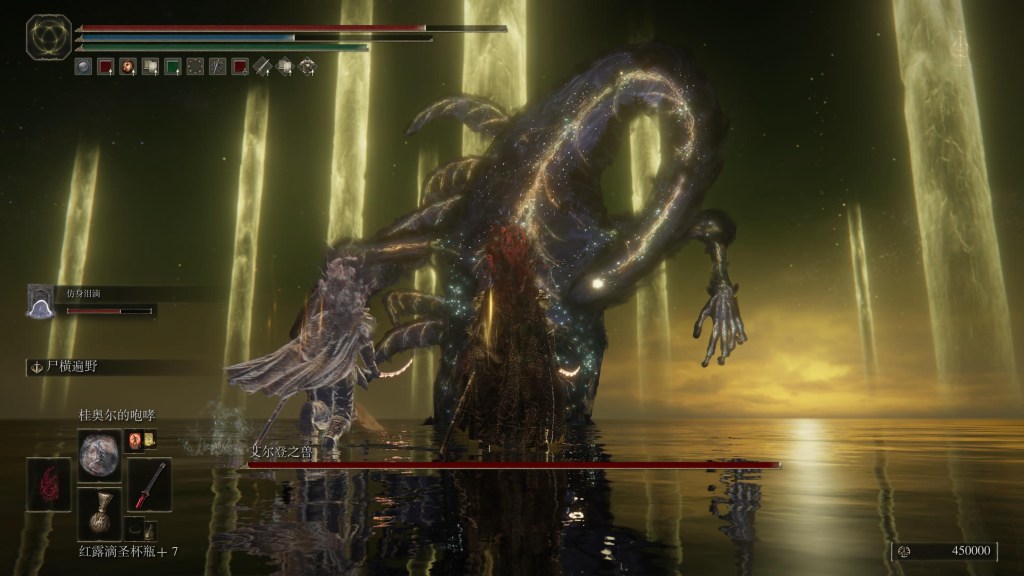
Expanded Cinema: Breaking the Screen Barrier
Elden Ring, developed by FromSoftware and published by Bandai Namco Entertainment, exemplifies the concept of expanded cinema. Unlike conventional linear narratives, this action role-playing game offers players an immersive, open-world experience that blurs the lines between traditional storytelling and interactive exploration. Players are not mere spectators; they are active participants, shaping the narrative through their choices and actions. The game’s expansive universe, rich lore, and interactive gameplay redefine the very essence of cinematic experience, transcending the constraints of the silver screen.
Participatory Culture: Forging Connections Beyond the Game
The participatory culture surrounding Elden Ring is equally noteworthy. Online forums, social media platforms, and fan communities have become vibrant hubs where players share experiences, theories, and artwork, contributing to the game’s ever-expanding universe. This collaborative engagement goes far beyond the passive consumption of media. It transforms players into co-creators, shaping the narrative discourse and influencing the development of the game’s world. Through streaming platforms like YouTube, gamers worldwide broadcast their gameplay, inviting audiences to participate in their virtual adventures in real-time. This real-time interaction between players and viewers blurs the lines between creator and audience, fostering a sense of community and shared storytelling.
Link to a YouTube video, a player live stream his playing and interacting with viewers.
https://www.youtube.com/watch v=X8mOon7HtnU&list=PLOQLqxudEz9NrlBXa6BcSES3JgIguJ9nO
The Convergence: Elden Ring and the Future of Entertainment
As technology continues to advance and creative boundaries expand, we find ourselves in a new era—one where the distinction between storytellers and their audience fades, giving rise to a boundless realm of collaborative, immersive, and participatory entertainment. Elden Ring stands as a testament to this evolution, inviting us to embrace the transformative power of digital media and venture into a future where the only limit to our stories is the extent of our collective imagination.
Reference
Denson, S., & Leyda, J. (2016). Perspectives on Post-Cinema: An Introduction.
This post is posted by Donghan Duan, BA Media and Communications.
 Digital Audiovisual Media Class Blog
Leave a comment