This blog is a reflection of our 4th lecture and screening.
In this book Netflix and the Reinvention of Television, the author attempts to examine the role of Netflix in the re-invention of television and its impact on traditional industry structures. Specifically, it helps me to understand how Netflix, as a dominant challenger to linear television, has changed viewing practices, nationalized media systems, and established concepts of television.
Since the lanuch of BBC Player in 2007, an unpredictable shift to online streaming has begun. Netflix entered original programming and global expansion and soon became a pioneer and force in this realm. Because it realised that television content is no longer inherently tied to the television set. As a original producer, it can provide high quality, excellent hit shows and get nominations and wins for Oscars, Emmys etc. More importantly, it recognized the importance of ‘binge-watching’ and use it as a promotion strategy. Mature algorithms and data collection create Netflix’s recommendation engine, which can provide customers with content and choices they are interested in.
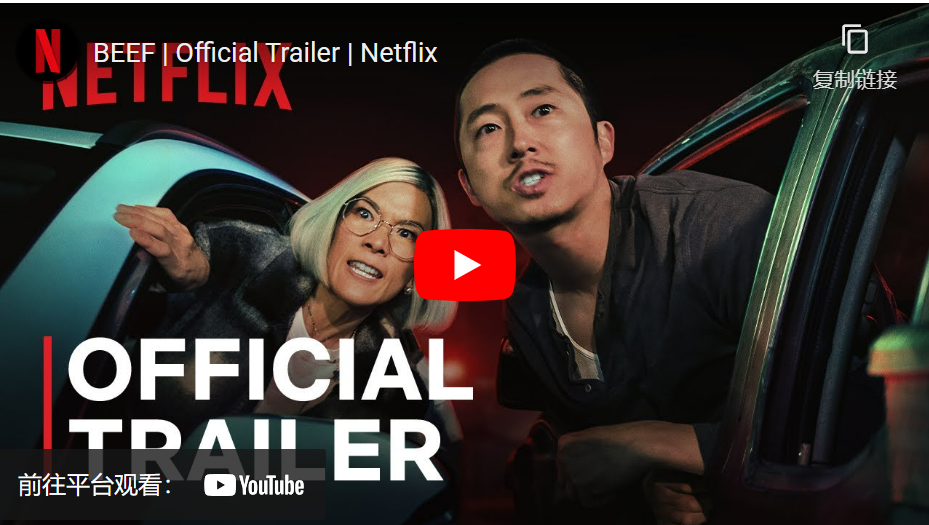
Netflix shows are increasingly breaking national barriers, Beef is a story about two Asian Americans shot by Korean director Lee Sung Jin. Two strangers become embroiled in an escalating feud due to a road-rage incident, then they start an unending cycle of retaliation in which they destroy each other’s belongings, ruin each other’s professions, and threaten each other’s families. Its outer shell may be a hilarious comedy, but at its core it touches on deep and heavy topics: class, gender, race, subcultures.
For Danny, owner of a failing contracting company, takes risks and get involved in a dangerous business in order to promise a better life for his parents and cousin; For Amy, a self-made businesswoman with a seemingly happy family and a chic house, is facing emotional emptiness and marital crisis. The darkest aspect of human nature is revealed in their compulsive hate and retaliation, which makes people feel insane and humorous.
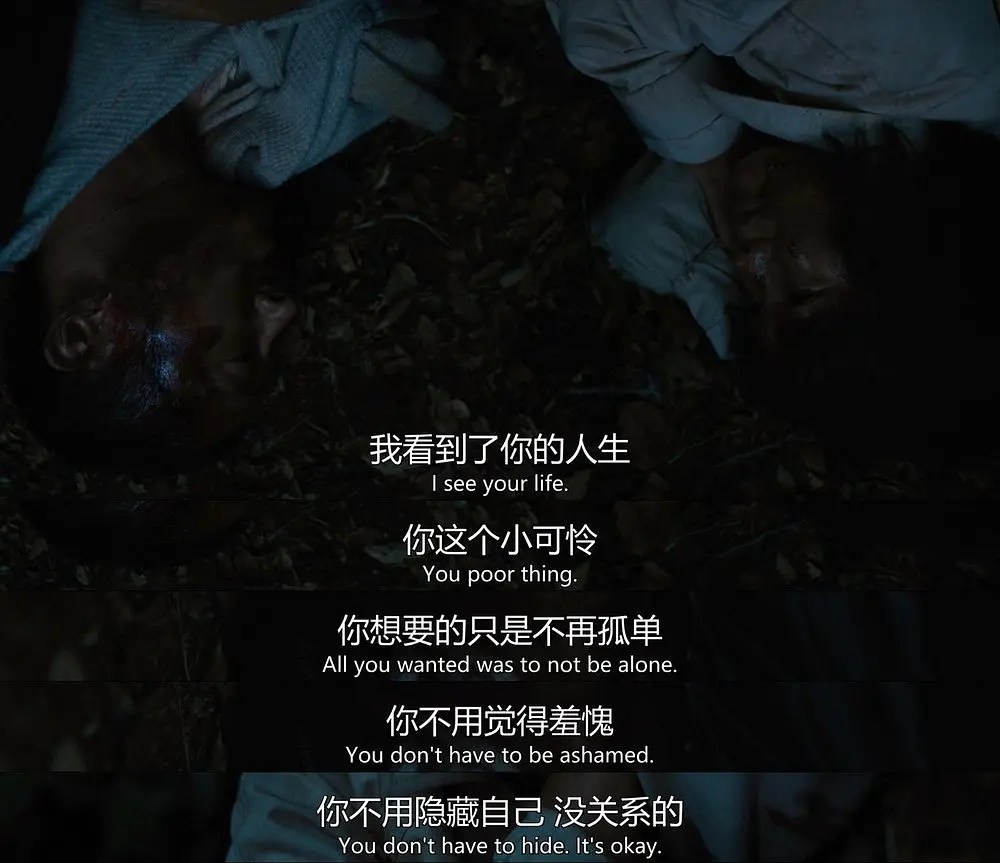
Even in China, where Netflix doesn’t cover the service, the show has garnered a great deal of attention and critical acclaim. This is probably because it has succeeded in profiling a microcosm of an East Asian’s life: the stressful family structure, the narrow definition and perverse obsession with worldly success, and the repression of self-emotions. At the end of the episode, we see more than just the existential sense of despair. When they finally realise each other’s lost souls and great devastation after their food poisoning, they support each other off the cliff. Perhaps like Amy’s query, love isn’t still unconditional, but love can give redemption.
Posted by Xiaojun Wang
 Digital Audiovisual Media Class Blog
Leave a comment