The Gravity (2013)
In present years, movies, films, series are all in post cinematic form. To be more specific, some films could also be called digital cinema as we are now in the digital age where special effects, computer-generated imagery (CGI), green-screen, etc. are being used to create more realistic reality in the industry.
Beside the mentioned effects and techniques, other factors like the use of emotions, visual perceptions, quick editing, sound effects are also very vital as it helps deepen audiences’ imagination far beyond their ‘real reality’. As for digital cinema perspective, it often combines both slow and fast motion via ramping — varying the movement speed by using single, continuous shot — to create ‘normal’ speed and includes the movement of both slow motion and fast motion (Brown, 2013).
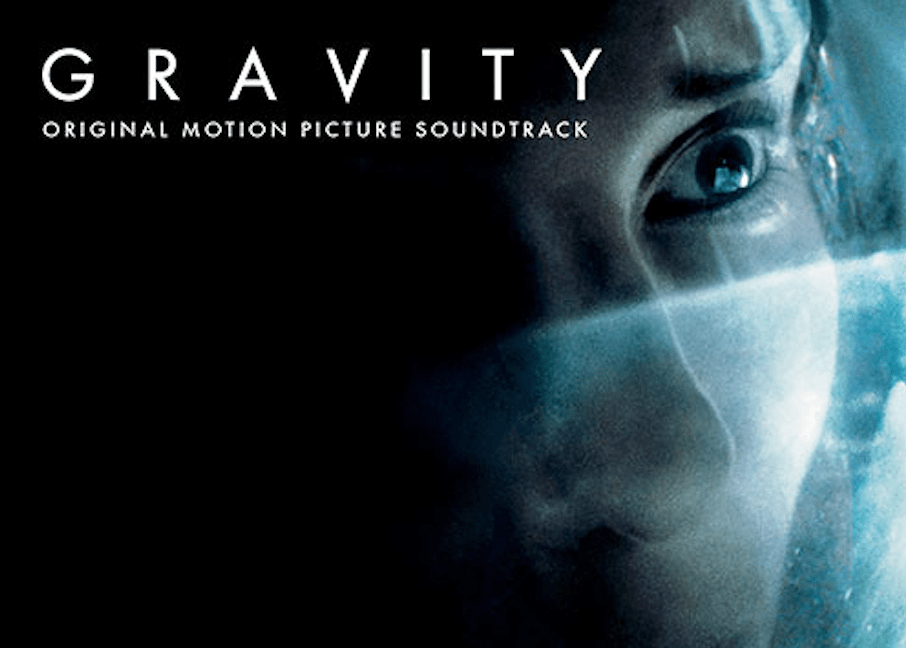
The award winning sci-fi film: The Galaxy (2013) is one of the successful films in indicating the disaster of life in space. In the film, audiences can see the struggle of the two astronauts who are stranded in space trying to survive after an accident. The accident scenes as well as every scene throughout the movie created this realistic visual to deepen audiences’ beliefs in all the scenes. There is no sense of associated continuity as the movie focuses on delivering a persistent feeling of shockness to the audience (Shaviro, 2012). It can be seen that each scene is cut with quick editing with lots of perception and perspective to see.
Moreover, the use of effects versus emotions play a huge part of creating disaster sentiments. Emotions such as fear, tension, depression in each situation are there to create a connection with audiences on the other side of the screen. The movie used quasi-realism to apply to on scenes to make it notionally real by adopting some parts from its downbeat; all the humor, horror, and tension feeling can be found on each scene without sarcasm, cynicism, monsters, or talking computers (Bradshaw, 2013). Audiences will be able to relate themselves to the situation by feeling the inteness, seriousness, and matter of life and death along with each character who is struggling to survive behind the screen.
In other perspective, the movie could also be viewed as a chaos cinematic. The definition of chaos cinema, from David Bordwell, is that it is an offshoot or an extreme development of intensified continuity (Denson & Leyda, 2016). It includes many shots of tightening continuity cuts with quick editing which make the pace of the movie seem really fast, intense, and accurate. Hence, all the elements are building up to make this movie more than just a regular sci-fi, but also providing thriller and intense senses to their audiences.
By Chawanrut Boonrapongcharoen (33813021)
References:
Bradshaw, P. (2013). Gravity Review – Alfonso Cuarón Leaves You Breathless with Excitement. The Guardian, Guardian News and Media, http://www.theguardian.com/film/2013/nov/07/gravity-review.
Brown, W. (2013). Digital Cinema’s Conquest of Space. SuperCinema: Film-Philosophy for the Digital Age, Berghahn Books.
Denson, S. & Leyda, J. (2016). Perspective on Post-Cinema: An Introduction. Post-Cinema: Theorizing 21st-Century Film, 1-19.
Shaviro, S. (2016). Post-Continuity: An introduction. Post-Cinema: Theorising 21st Century Film, 51-64.
 Digital Audiovisual Media Class Blog
Leave a comment