Our media consumption habits have changed as a result of the digitalisation of films and television. Modern digital technology allows for the instantaneous, anywhere, anytime streaming of films and TV shows. High-definition screens, surround sound systems, and immersive virtual reality have made watching films and television shows more enjoyable than ever. Streaming services such as Netflix and Amazon Prime have customised recommendation systems that adapt to individual preferences. The Hollywood studio system that has dominated for so long will have to adapt, and studios are shifting towards 3D blockbusters to reinvent the way they approach the market (Alexander 2010). Although, piracy is still a major worry since copyrighted content may be freely disseminated online, therefore, traditional cinemas are finding it difficult to compete with streaming services that provide convenience and affordability.

Manovich looks into how digital technology has revolutionised the film industry. He provides a thorough analysis of the various approaches that have emerged in response to this technological revolution, highlighting database cinema as a key tactic. According to him, the advent of digital cinema has made it possible for directors to craft non-linear, flexible storylines that let viewers peruse an extensive collection of images and scenes. ‘Digital Cinema is a particular case of animation which uses live action footage as one of its many elements’ (Manovich, 1995). With this type of storytelling, audiences can actively participate in creating their own narrative experience, challenging conventional notions of linearity. He also highlighted remix culture as a crucial strategy. Thanks to the development of digital technology, filmmakers may now easily edit and reassemble previously shot material to create new works. This activity highlights questions about authorship and originality in the digital era, in addition to reflecting the widespread use of sampling and remixing in music and visual arts.
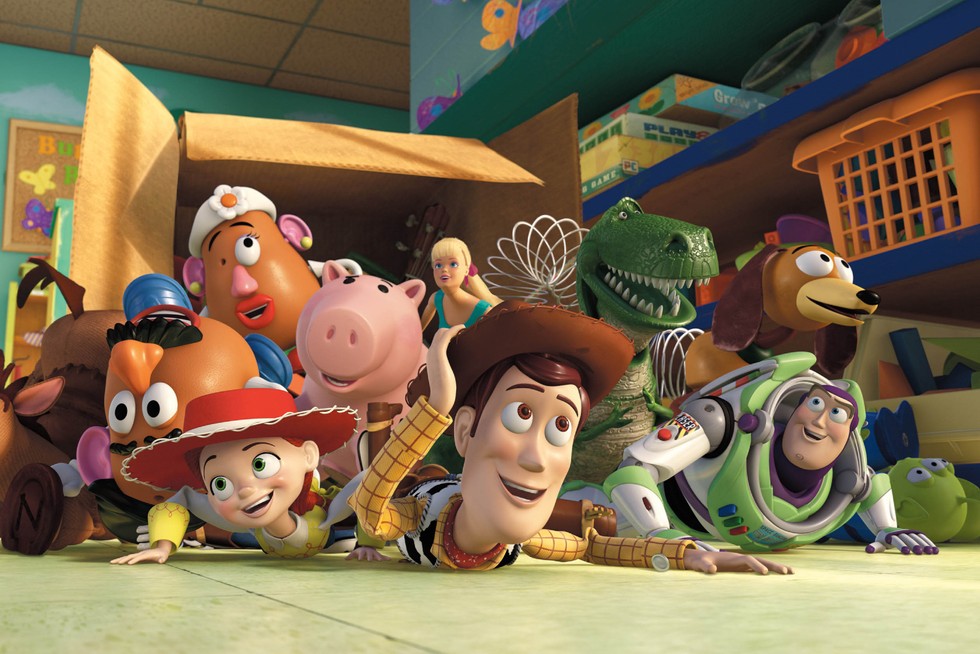
An example of this is the original 1995 ‘Toy Story’, which is an essential addition to any list of significant digital films because it not only presented the world to the full magic of Pixar and paved the way for the stereoscopic 3D boom that would bloom a decade later, but it also showed that talented artists could use digital technology alone, when paired with a compelling, inventive, and well-told story, to produce an artistic masterpiece which the whole world would appreciate.
References:
Alexander, I. (2010) A New Era of Filmmaking
filmindustry.network/a-new-era-of-filmmaking/3094
Manovich, L. (1995) What is Digital Cinema
Click to access 07_article_1995.pdf
Dager, N. (2013) Digital Cinema’s Top 10 Films
https://www.digitalcinemareport.com/article/digital-cinema%E2%80%99s-top-10-films
By: Alicia Mahady-Ahedo 33699698
 Digital Audiovisual Media Class Blog
Leave a comment