This blog is a reflection of our readings and screenings of the fifth week.
When we’re talking about the transformation of concept of television, especially in terms of aesthetic transformations of digital technologies and viewing practice of audiences, it is inevitable that we should consider the ways in which gender and trans themes are involved and represented in the television industry.
Prior to the 21st century, transgender presence in the media was quite low. Transgender women were virtually always portrayed in fiction and in early popular narratives using typical clichés and stereotypes. At the same time, masculinity and male narratives have long dominated television. Until the era of streaming platforms, society and the public became more inclusive of the expression of diverse sexual identities and races, and we ushered in a series of vivid trans female characters.
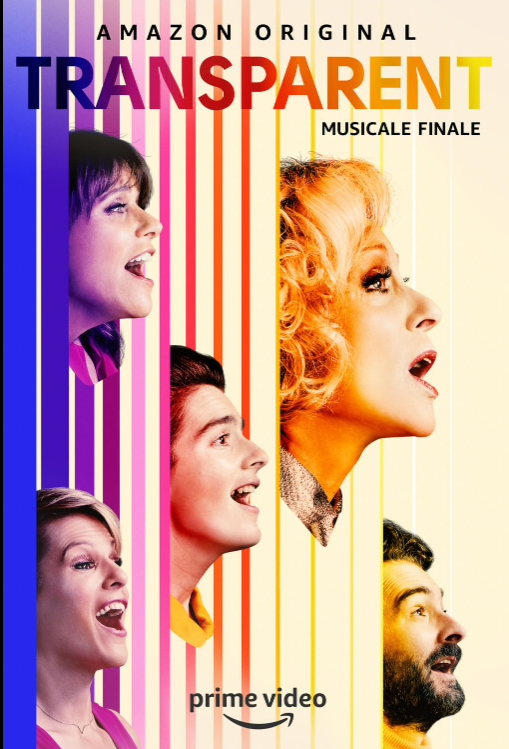
As the Goddard and Hogg said, Transparent is a product of the ‘proto phase’, and it focuses more on family members’ responses to Maura’s coming out than about Maura herself. But on the other hand, as the soul character in the play, she connects more stories of these siblings. It’s not just about gender and identity; it’s also about grief and trauma that are inherited and carried down through the generations.
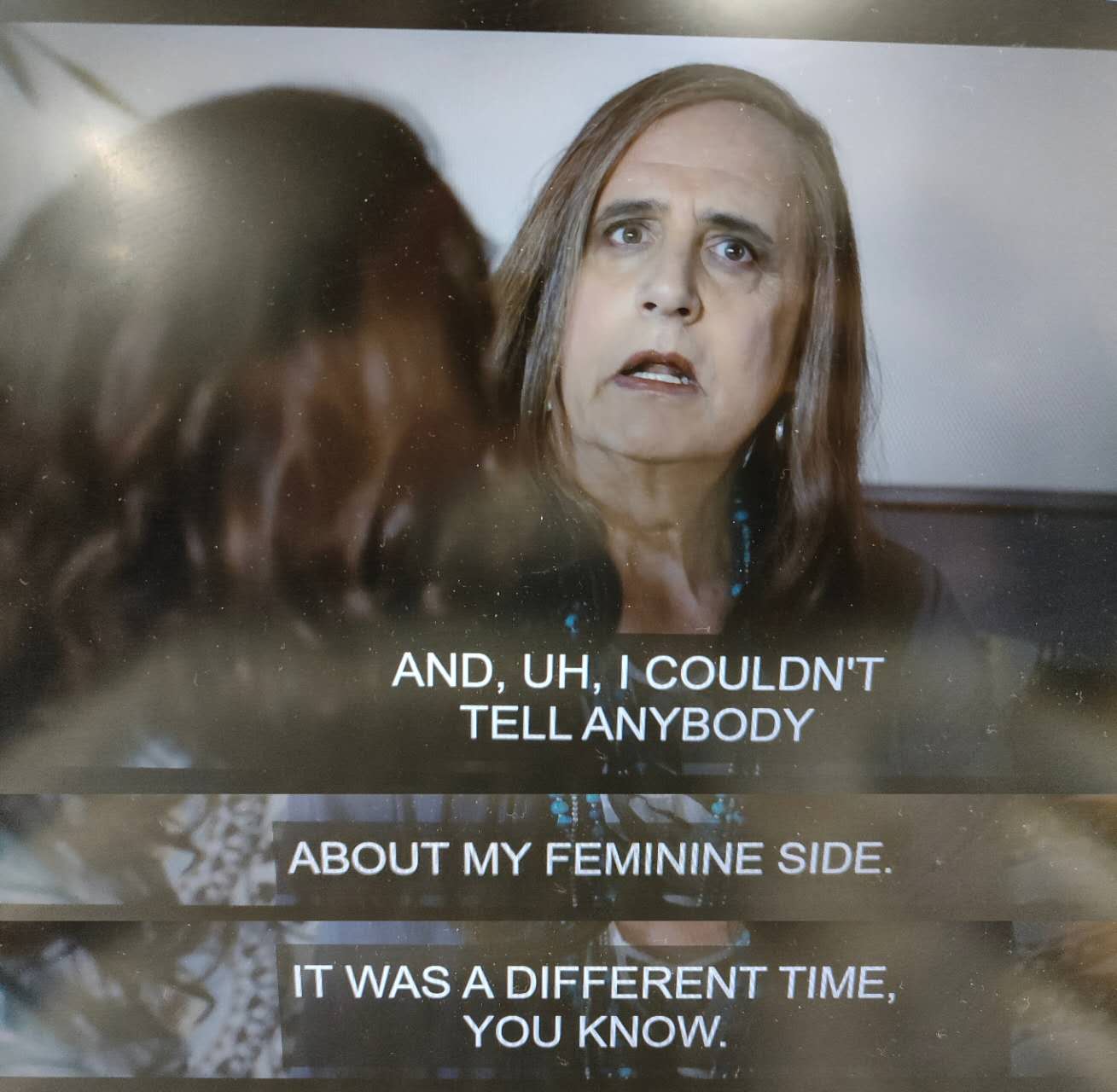
The main thing that makes this complex family so relatable is the outstanding performance of the leading actor. Her trembling hands, soft-spoken lines of dialogue try to express tangled psychological emotions of transness. But casting a cisgender male actor to play a trans woman is also a big reason why the show has drawn criticism. When cis performers depict trans people, trans people frequently detect the performances’ underlying hollowness. Tambor could never have mastered the voyage to the same extent as a trans actress. What’s even more ironic is that during the Metoo movement, two actresses accused him of sexual harassment, and he was eventually fired, even though he won two Emmy Awards for playing this role.
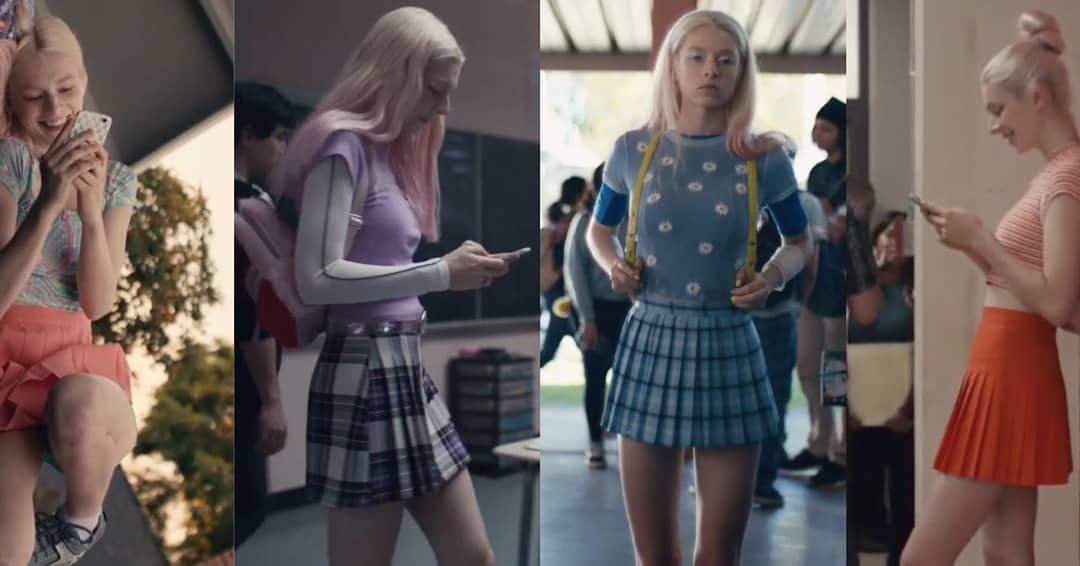
Another trans character I like more is Jules in Euphoria. Hunter Schafer plays Jules and is trans in real life, her elfin appearance and sincere performance have won a lot of praise. What we see is a bold, free, artistic teenage girl who doesn’t worry too much a,bout her identity, although there are a few clips showing her injecting hormones and using gay dating apps. Jules soon catches the eye of Rue when she moves to the new town, on the other hand her longing to explore sexuality led her to hook up with older married men who happens to be Nate’s father, which motivates Nate to create a fake online persona“Tyler” to catfish Jules.
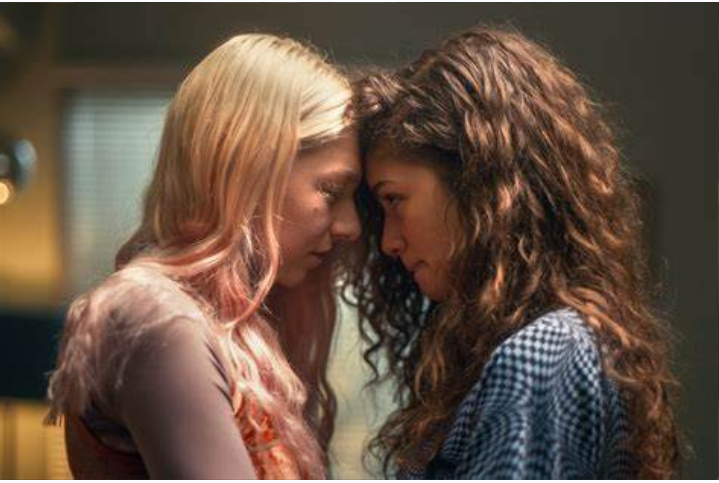
Jules shows vulnerability and sensitivity when she involves in a multi-party complex emotional relationship, and audience can see that the trans person’s struggle to find loving connections is the same as that of other young people.
Posted by Xiaojun Wang
 Digital Audiovisual Media Class Blog
Leave a comment