With the development of the times, the topic of trans-tv will inevitably appear. The establishment of Trans TV has played a pivotal role in the advancement of the television industry. Trans-TV conference at the University of Westminster, September 2017. primarily discusses the transformation of television. Indeed what we mean by the word ‘television’ has changed radically from the classical network era model of one-to-many transmission. Martin, Brett. in “Difficult Men: From The Sopranos and The Wire to Mad Men and Breaking Bad.” The concept of “difficult man” emerged during the so-called third golden age that represented the rise and hegemony of American cable television. of key television shows such as The Sopranos (1999-2007), Mad Men (2007-2015), and Breaking Bad (2008-2013). Yet in some of the key TV examples of the Netflix and Amazon era, the “difficult man” is gone, replaced by a proliferation of queer, trans, and racially diverse characters, whether in Orange Is the New Black (2013), Sensitive 8 (2015) or Transparent (2014). This is partly influenced by the new network ecology and social environment in which television operates.
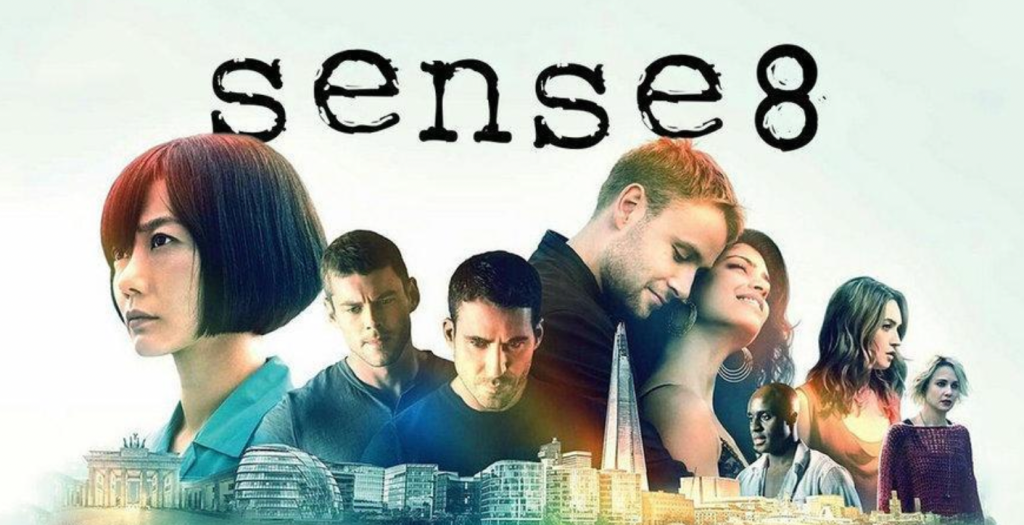
Compared to traditional television, streaming platforms offer a more diverse and engaging range of content, thereby mitigating the potential monotony and boredom associated with the former. Additionally, streaming platforms exhibit greater consistency in comparison to YouTube, ensuring a more reliable viewing experience for users. The advent of Trans TV has resulted in a heightened level of content appeal, hence catering to the preferences of certain viewers. Trans TV aimed to explore the convergence of technological advancements and the television industry, specifically in relation to the content available on streaming platforms. The primary focus of this exploration was the representation and visibility of transgender, non-binary, and other queer individuals in many prominent television programs. Sense 8 serves as a quintessential illustration. This television series exemplifies the aforementioned concept on various dimensions, encompassing the inclusion and appreciation of transgender and queer individuals. The transnational context of the subject encompasses various countries, namely the United Kingdom, the United States, India, Nigeria, Germany, and Iceland. Therefore, the concept of eight individuals who are sympathetic and share profound connections, engaging with one another’s experiences at crucial points, might be interpreted as a subversive element within the program.
However, Goddard and Hogg have also highlighted that not all forms of Internet-distributed television can be regarded as an enhancement in terms of aesthetics. The report on the conference that appeared in CST Online, aimed to examine whether ‘new directions in television production and distribution might do more than just provide creative freedom for artists, and could also allow for a more diverse space of representation across the landscape of what we are for now still calling “television”’ (Lynch and Scarlata, 2017).
I think this conference mainly studied the transformation of television formats in Europe, America, and other countries. I would like to express some views on the changes in TV content and format in China. The following content does not refer to any literature. It is purely my thoughts as a Chinese living in China. I observed popular TV series from the early 20th century to the present, such as “The Yongzheng Dynasty” (1999), “My Fair Princess” (1999), and “The Sword” (2005). So far, “The Hidden Corner” (2020), and “Hurry” (2023). If I take the above TV series as an example, I find that the topics of the TV series gradually move from the palace and national wars to politics and society. The above examples are all TV series with relatively high attention and evaluation, which also shows that the hot topics of TV series mainly revolve around the society we live in or are highly relevant to society as a whole.
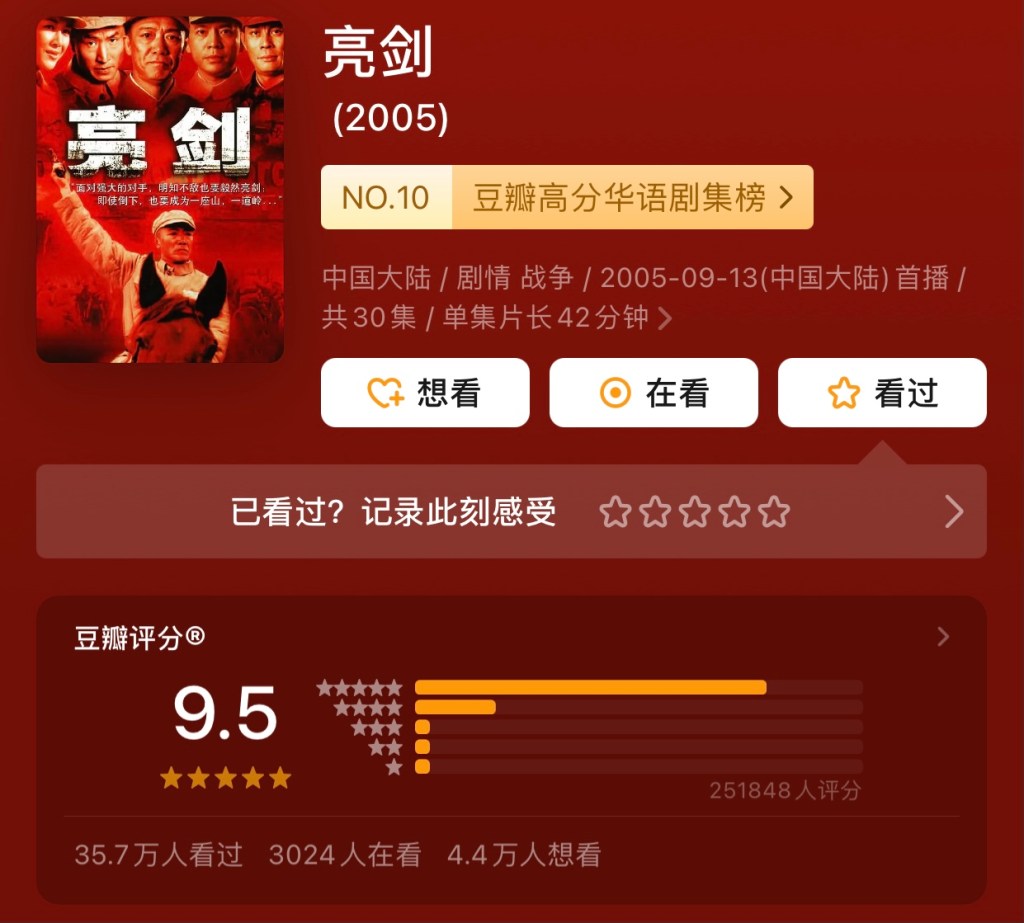
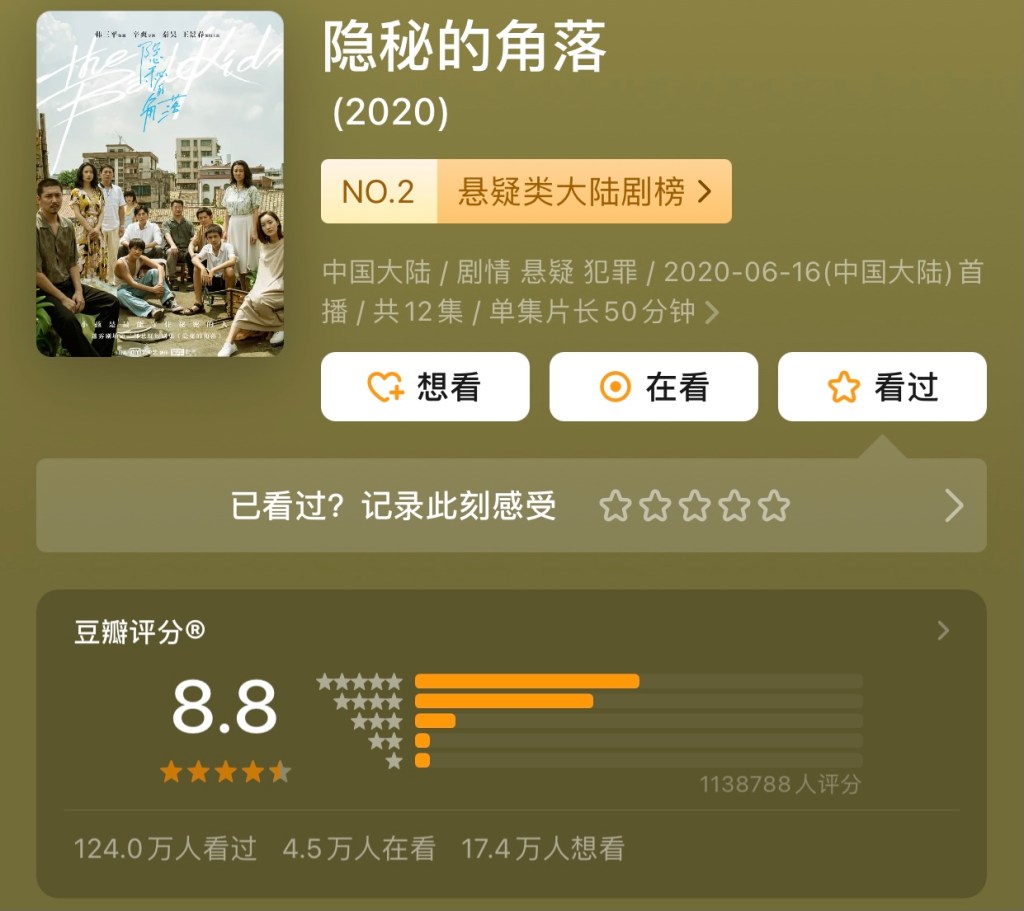


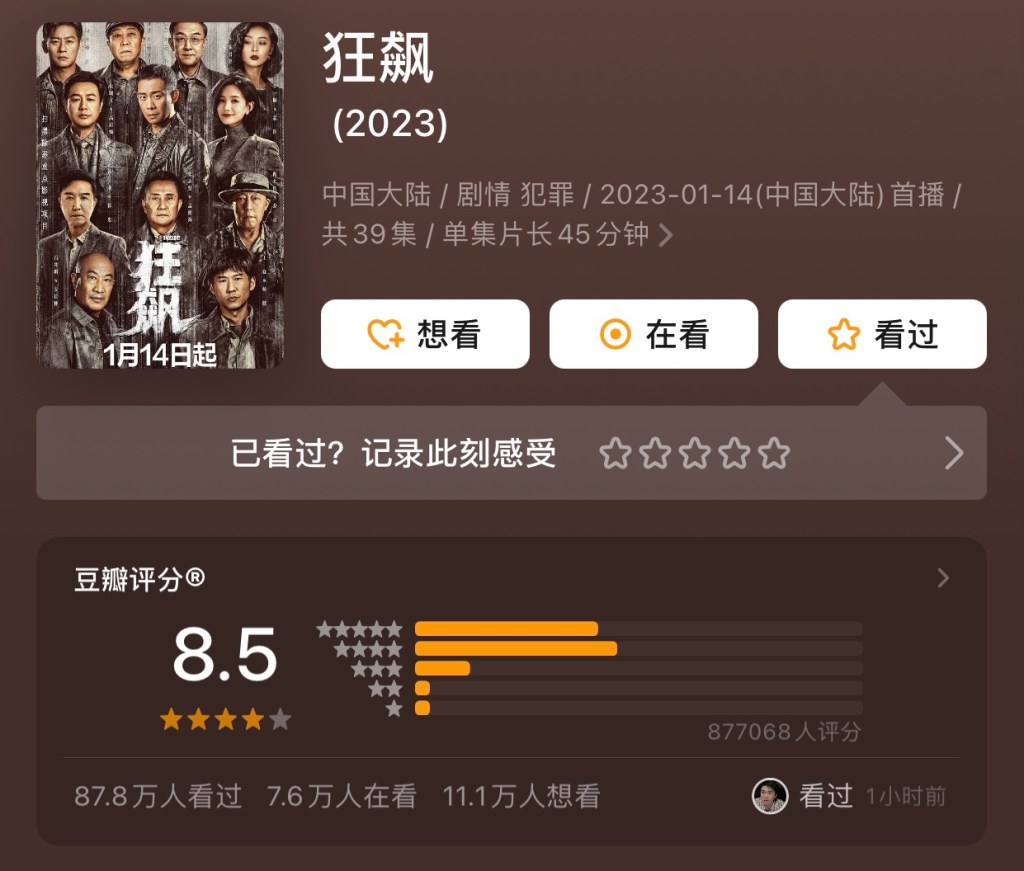
these are TV dramas I talked about above.
Here I will talk about my feelings again, about the development of technology. I think the trend of “television” will be integrated with the network society. One day in the future, there will no longer be traditional concepts such as “television”, and all technologies will be integrated. What I am talking about here is not only the technical aspect but also the ideological aspect. The reason why there are not so many topics about transgenderism in China is that Chinese education is not very open-minded about this aspect, but this does not mean that Chinese people will not discuss such topics. On the contrary, I find that in my society and circle of friends, there are more and more topics about sex or transgender, and everyone’s thoughts are getting closer and closer to the West. So I stubbornly believe that one day in the future, both technology and social civilization will be integrated into one. If given the chance, I hope to continue researching this topic.
 Digital Audiovisual Media Class Blog
Leave a comment