Despite apparent connections, discussions regarding trans representation in television have frequently been separated from arguments about modern television aesthetics, representation, and new content formats. This division is the outcome of an emphasis on empirical industry studies or aesthetic close reading and representational techniques. As Goddard and Hogg argue (2018), Trans TV operates as an intervention into these multiple contemporary transformations of television, arguing that they need to be thought of together.
In the era of Netflix and Amazon, however, heteronormative ‘man’ is off the menu in favour of a proliferation of queer, trans and ethnically diverse characters (Goddard and Hogg, 2018). Although television series like Pose and Transparent gained attention for featuring trans performers and presenting authentic takes on trans experiences, they brought forward issues, for example, Transparent making the casting decision to have the cis male actor, Jeffrey Tambor, play the role of Maura, a transgender woman, and the storyline focusing largely on the family members and not her (Goddard and Hogg, 2018). However, HBO’s Euphoria represents a transformative phase in trans representation. The award winning show introduces a new era characterized by a “cool” trans aesthetic, symbolizing the commitment of multiplatform television to position trans content as an “edgy”. Euphoria marks a shift in trans representation, breaking away from tragic portrayals historically linked to trans characters and presenting a stylized approach to trans identity influenced by Gen Z. It incorporates elements like social media, creative makeup, and a nuanced exploration of gender and sexuality.
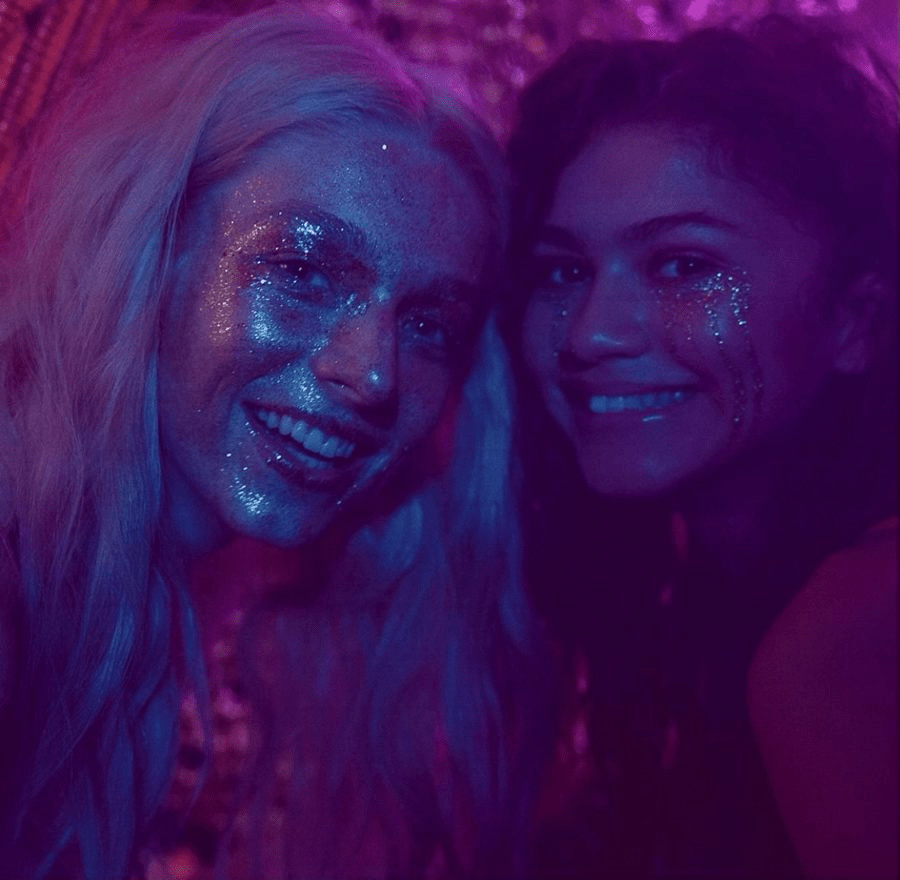
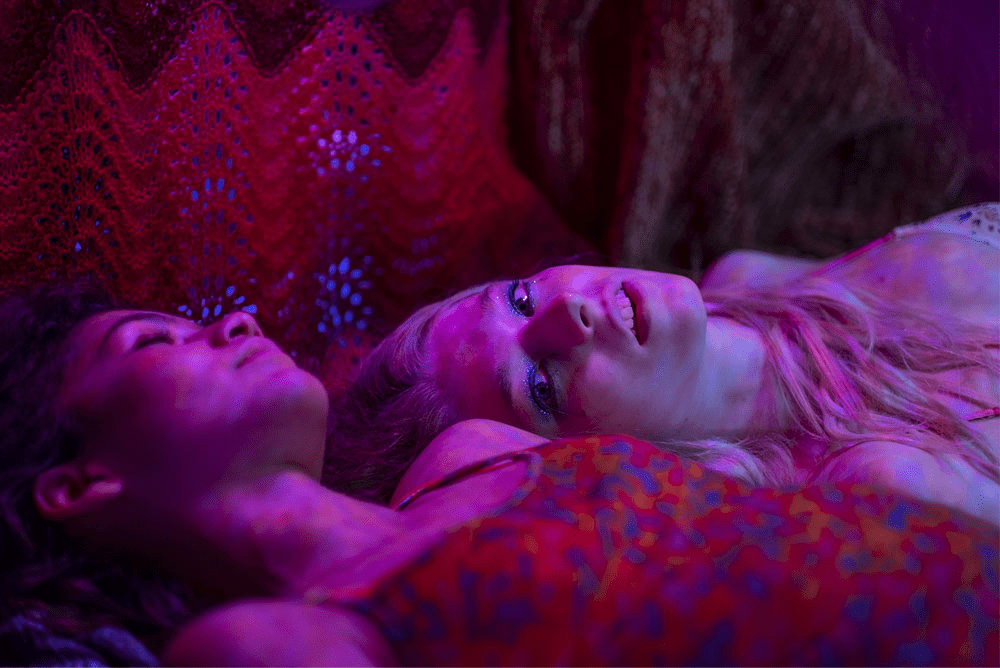
The show’s use of hypermobile cinematography and surreal lighting enhances this transgressive aesthetic, emphasizing the narrative’s hyper-subjective framing. This aligns with the idea that “…these new modes of production, distribution, and consumption… might themselves open new avenues for a trans or queer aesthetic…” (Goddard and Hogg, 2018).
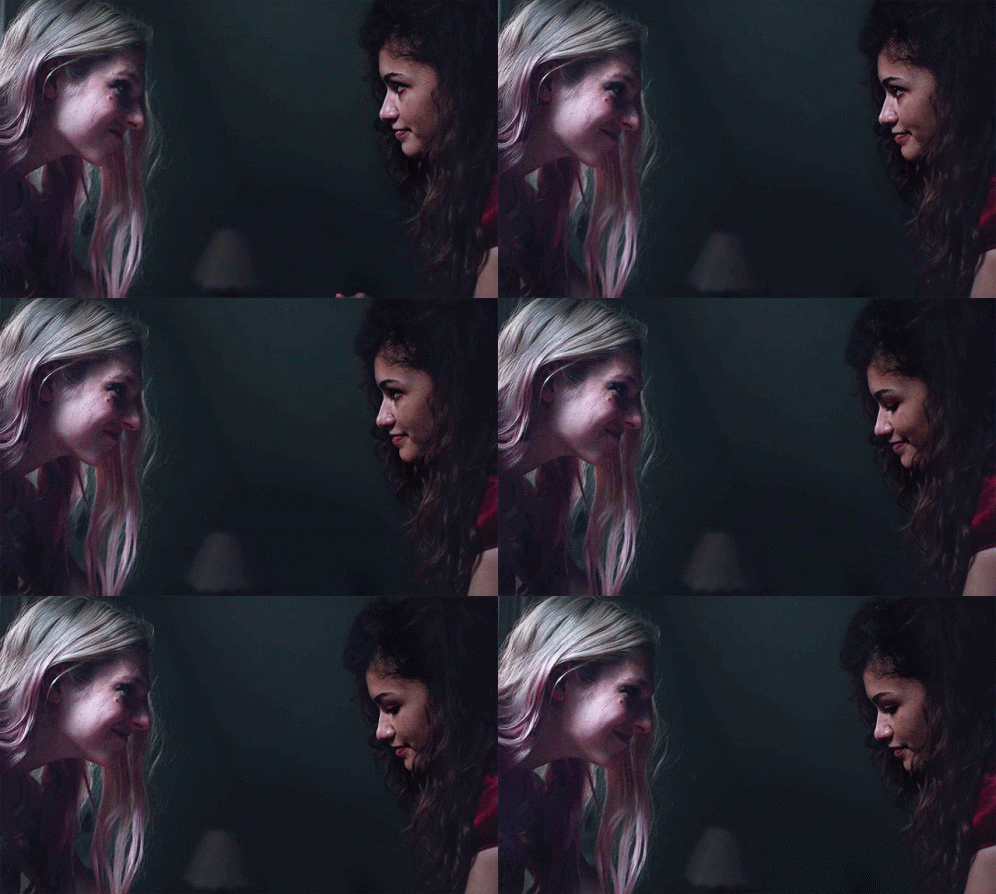
Although initially the show was branded by the Guardian (2019) as potentially being the most shocking teen show ever, the show’s controversial aspects have sparked debates among critics, its normalization of trans and queer identities appeals to younger audiences, highlighting the potential transgressive power of such content for a new generation.
By Dzesika Olenberga 33710608
Bibliography
Goddard, M. N., & Hogg, C. (2018). Introduction: Trans TV as concept and intervention into contemporary television. Critical Studies in Television, 13(4), 470-474.
Goddard, M. N., & Hogg, C. (2018). Introduction: Trans TV as concept and intervention into contemporary television. Critical Studies in Television, 13(4), 470-474.
Goddard, E. and introduced by M., & Hogg, C. (2020). Introduction: Trans TV dossier, III: Trans TV re-evaluated, part 2. Critical Studies in Television, 15(3), 255-266.
Goddard, M. N., & Hogg, C. (2018). Introduction: Trans TV as concept and intervention into contemporary television. Critical Studies in Television, 13(4), 470-474.
Hayes, M. (2019) ‘it triggered mass panic!’ – is euphoria the most shocking teen show ever?, The Guardian.
 Digital Audiovisual Media Class Blog
Leave a comment