In week 3’s lecture, we discussed the topic of post-cinematic images. A question that I have been thinking is that whether it is purely a technical shift or a cultural change. In my opinion, it is definitely not purely technical. The way post-cinematic images and experiences have greatly changed storytelling and narratives, and changed the way that we understand the world. Therefore, I think the concept of post-cinematic experiences involves both technical shifts and cultural changes. In this blog, I will use the game “Death Stranding,” directed by Hideo Kojima and featuring actor Norman Reedus, as an example to discuss my views. Death Stranding is a 2019 action game developed by Kojima Productions and published by Sony Interactive Entertainment for the PlayStation 4.
We can observe a convergence of technological advancements and cultural shifts that contribute to the post-cinematic nature of the project.
On the one hand, the post-cinema experiences in the game ‘’Death Stranding’’ represent several technical shifts.
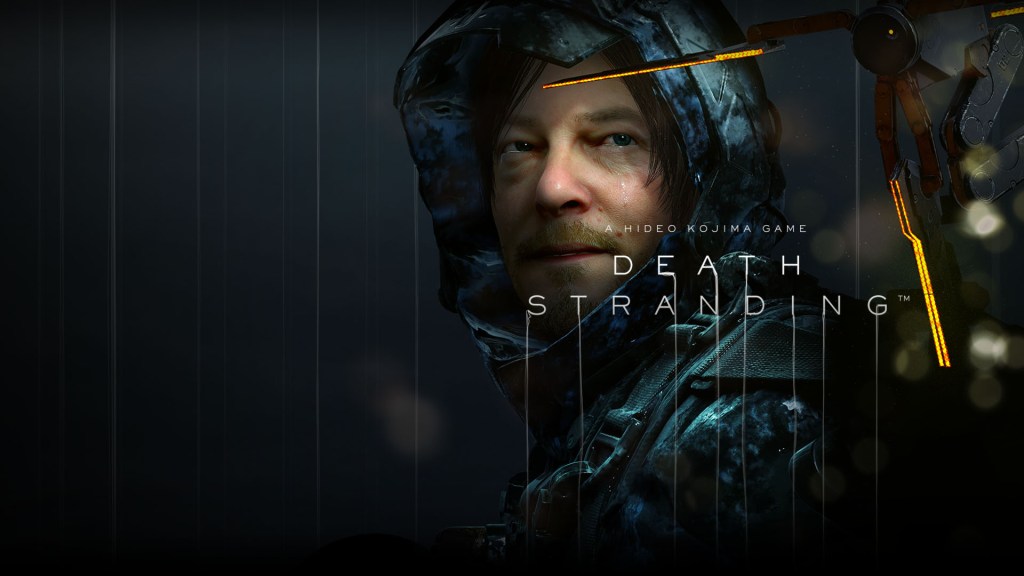
- Game Technology: “Death Stranding” exemplifies the technical shift in the gaming industry. The game utilizes advanced graphics, physics engines, and motion-capture technologies to create a highly realistic and immersive experience. The visual fidelity, detailed character models, and expansive landscapes contribute to a cinematic quality that rivals traditional film.(Brown, 2013)
- Performance Capture: The use of performance capture technology in games, as seen in “Death Stranding,” allows for a more nuanced and realistic portrayal of characters. Norman Reedus’s performance was not only voice acting but also involved capturing his facial expressions, body movements, and gestures. This blurs the lines between traditional cinema and interactive media.
- Interactive Narrative: Unlike traditional cinema, video games, including “Death Stranding,” offer an interactive narrative experience. Players make choices that impact the story, and the game’s open-world design allows for exploration and discovery, creating a dynamic and personalized narrative experience.
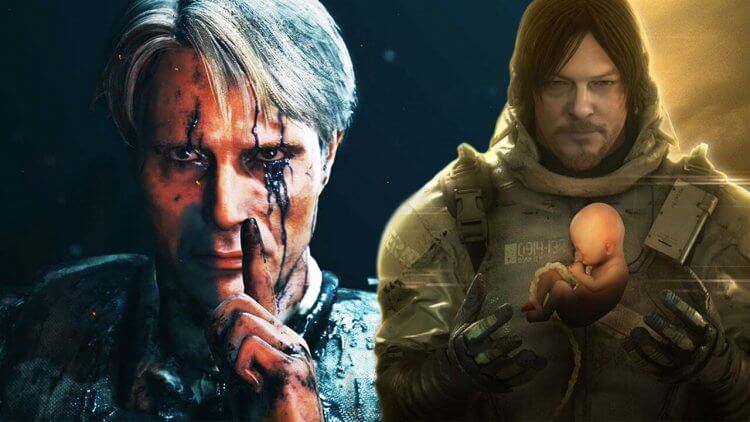
On the other hands, the changes in nature also indicate fundamental cultural changes.
- Convergence of Media: “Death Stranding” represents a convergence of different media forms. It combines elements of cinema, gaming, and narrative storytelling, reflecting a cultural shift toward a more transmedia and interconnected approach to entertainment. The game’s narrative is not confined to a single medium but extends across various platforms and experiences.
- Celebrity Involvement: The involvement of well-known actors like Norman Reedus in video games is indicative of a cultural change. Traditionally, actors might not have been as prominently featured in the gaming world. The inclusion of recognizable faces from film and television contributes to the blurring of boundaries between cinematic and gaming experiences (Newman, 2016).
- Narrative Complexity: “Death Stranding” embraces a complex and layered narrative that challenges traditional storytelling norms. The game’s plot is rich with symbolism, philosophical themes, and social commentary. This complexity reflects a cultural shift towards more sophisticated and intellectually engaging narratives in video games, akin to the depth often associated with cinematic storytelling (Shapiro, Peña-Herborn, & Hancock, 2012).
In summary, “Death Stranding” illustrates how post-cinematic experiences emerge from a combination of technical advancements in gaming technology and broader cultural changes. The game represents a fusion of cinema and gaming, leveraging advanced technology to create a visually stunning and narratively complex experience that goes beyond the boundaries of traditional cinematic storytelling. The involvement of a high-profile actor like Norman Reedus further emphasizes the cultural convergence occurring in the entertainment industry.
References
Brown, William, ‘Digital Cinema’s Conquest of Space’ SuperCinema: Film-Philosophy for the Digital Age (Oxford: Berghahn, 2013).
Newman, J. (2016). Stampylongnose and the rise of the celebrity videogame player. Celebrity Studies, 7(2), 285-288.
Shapiro, M. A., Peña-Herborn, J., & Hancock, J. T. (2012). Realism, imagination, and narrative video games. In Playing video games (pp. 323-340). Routledge.
——posted by Donghan Duan
 Digital Audiovisual Media Class Blog
Leave a comment