The idea for MTV was conceived by Bob Pittman, an executive at Warner-Amex Satellite Entertainment, who hoped to develop a television format to target teenagers, a lucrative group. In 1981, MTV was officially launched. It quickly gained popularity, grew and expanded its programming with shows catered to different music genres.
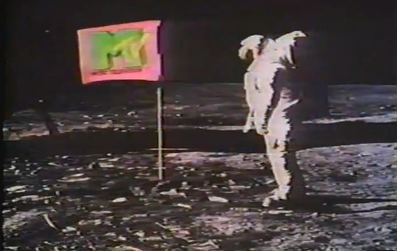
At the beginning, music video is often considered promotional tools. They provide a way for musicians to market their songs, albums, and personal brand through a visual medium. Then there is an aesthetic turn that it can be a distinct format, which artists and filmmakers collaborate to create compelling content that adds depth and meaning to the music. This binary discussion between high art and popular culture also appears in the question of whether sound or visual is more significant.
Perhaps it is because of this blurred boundary that music videos also had a unique aesthetic world in their early stages. The first music video ever played on MTV was “Video Killed the Radio Star” by The Buggles. The chorus at the beginning of the music, which Trevor Horn sings in a robotic-like voice, expresses his belief that everything in life is artificial and is also a comment on the intrusion of technology into every aspect of our lives.
Meanwhile, a young girl sits in front of a radio, which then explodes and she is transported into the future. By various metaphors, the broadcast industry took a huge hit from the growth of video, and especially the rise of television. It also expresses concerns about modern media technology and the nostalgia of a generation that can no longer appreciate the beauty of the past.
“Beat It” was released in 1983, and is one of the best-selling singles of all time. The lyrics are Michael Jackson’s anti-macho lecture on the benefits of avoiding danger when facing an unnecessary conflict, the dancing is where things become interesting. Those clever dance moves MJ made around the pool table (in an empty pool hall where a rival gang had previously gathered), and then he hit the streets — mysteriously emerging from an attic filled with storage bins — finally saved this violent disaster.
Perhaps the premise that dance can prevent gang wars is a bit naive, but what was so amazing about this scenario was how completely unbelievable it was. We’re mesmerized by Jackson’s fluid dance moves combined with the gangster’s choreography, alternating hand flicks, arm extensions, leg raises and deft twists – performed by the unlikeliest of combinations.”Beat It” music video helped make Jackson an international pop icon, and both the song and video have had a major impact on pop culture.
Posted by Xiaojun Wang
 Digital Audiovisual Media Class Blog
Leave a comment