The advent of on-demand streaming TV has transformed the conventional TV viewing experience, introducing a mix of freedom and intricacy for both creators and their audiences.
Creative Renaissance
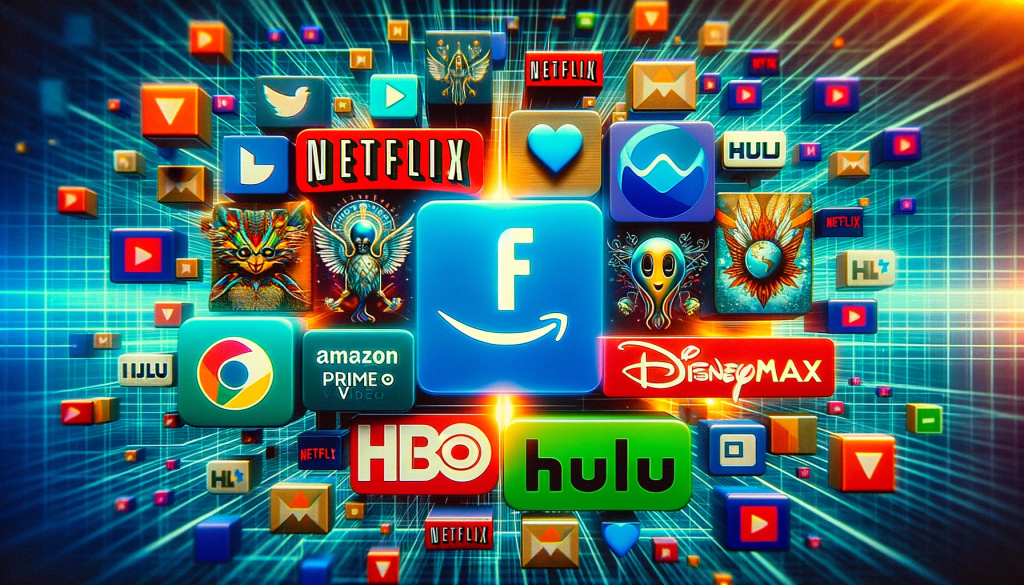
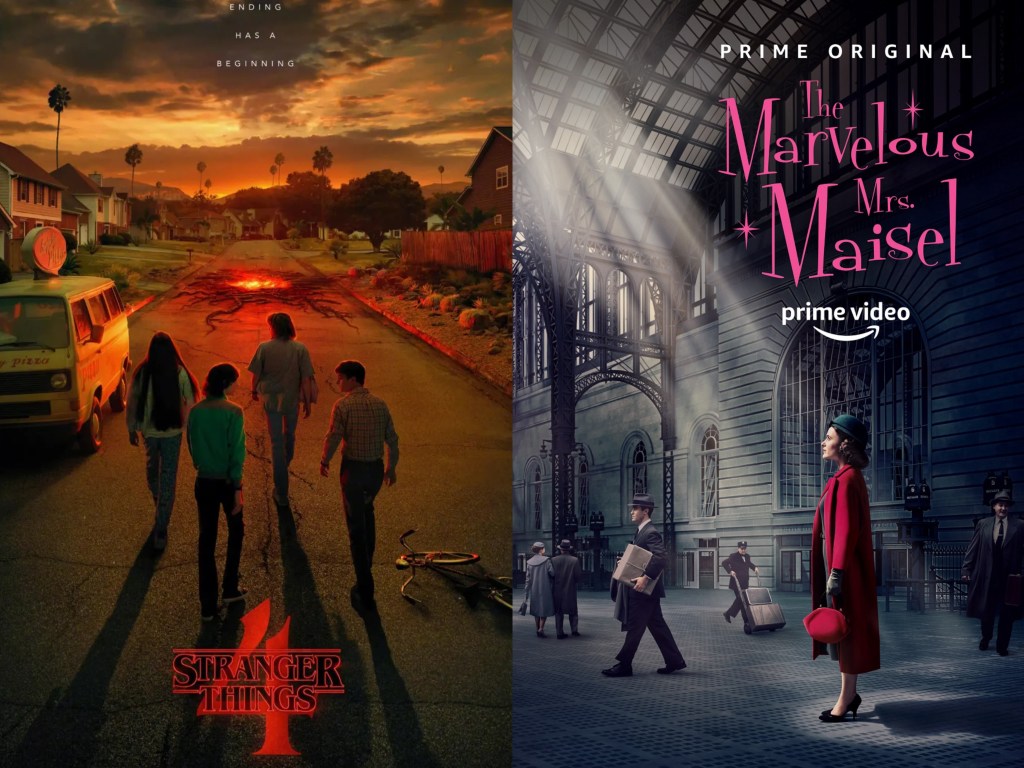
Streaming platforms like Netflix, Amazon Prime Video, and Hulu have ushered in a new era of creative freedom. Shows like Netflix’s “Stranger Things” and Amazon Prime’s “The Marvelous Mrs. Maisel” exemplify this. These platforms liberate creators from the constraints of traditional TV scheduling, enabling deeper exploration of complex narratives and multi-dimensional characters (Netflix, 2021; Amazon, 2020). Furthermore, they have democratized content creation, allowing independent filmmakers and smaller studios to showcase their work to a global audience.
Elevating the Audience’s Viewing Journey
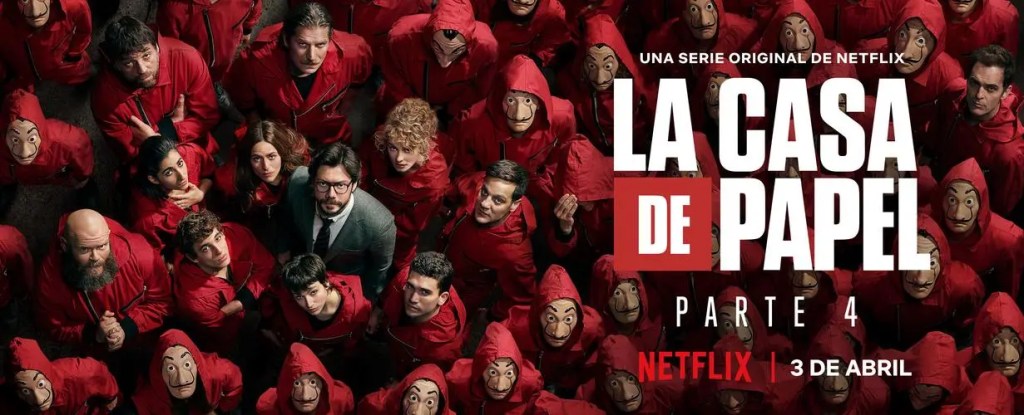
Streaming services have redefined viewer choice. Audiences are now empowered to choose not only when and where they watch but also from a vast array of international content. A prime example is Netflix’s Spanish series “La Casa de Papel” (Money Heist), which gained worldwide acclaim, underscoring the international allure of streaming offerings (Netflix, 2019). This vast selection broadens viewers’ horizons, exposing them to varied cultures and narrative techniques.
Navigating Streaming’s Complexities
Yet, this streaming paradigm comes with its own set of hurdles. The sheer volume of content can trigger a phenomenon known as choice overload, leaving viewers daunted by the plethora of options and uncertain in their selection process. Moreover, the cumulative cost of multiple subscriptions can lead to ‘subscription fatigue’.
For content creators, streaming platforms provide an avenue to a broad audience. However, the overwhelming amount of content makes standing out a formidable task. Zimmer, Törhönen, Fietkiewicz, and Hamari’s 2021 study delves into how streaming technology’s incorporation into the entertainment sector has significantly amplified content creation and consumption. This advancement is instrumental in shaping the revenue generation tactics of various entities in the industry, including established brands, emerging micro-celebrities, and dedicated streamers. Their research highlights the critical impact of streaming services in transforming traditional business models and creating new avenues for financial success within the digital entertainment landscape.Yet, this also means that even high-quality productions can struggle to capture attention in the densely populated digital arena, often getting lost among the multitude of offerings.
The Need for Balance
As the streaming world continues to evolve, there’s a growing need for these platforms to balance content diversity with user experience. Innovations in content curation and personalized recommendations could play a key role in helping viewers navigate the plethora of choices. Additionally, platforms might consider more supportive strategies for promoting lesser-known, high-quality content, ensuring a fair chance for all creators to be discovered and appreciated.
Conclusion
The non-scheduled, streaming television model represents a significant shift in how content is created and consumed. It offers a liberating space for creative expression and a wide array of choices for audiences. However, the challenges of choice overload and discoverability are real and need to be addressed as this landscape continues to evolve.
References
Netflix. (2021). Stranger Things. [Online]. Available at: https://www.netflix.com/title/80057281 [Accessed 20 Nov. 2023].
Amazon. (2020). The Marvelous Mrs. Maisel. [Online]. Available at: https://www.amazon.com/Marvelous-Mrs-Maisel-Season/dp/B06VYH1GF7 [Accessed 20 Nov. 2023].
Netflix. (2019). La Casa de Papel. [Online]. Available at: https://www.netflix.com/title/80192098 [Accessed 20 Nov. 2023].
Zimmer, F., Törhönen, M., Fietkiewicz, K.J. & Hamari, J. (2021). Introduction to the Minitrack on Streaming Media in Entertainment.
——HU HE
 Digital Audiovisual Media Class Blog
Leave a comment