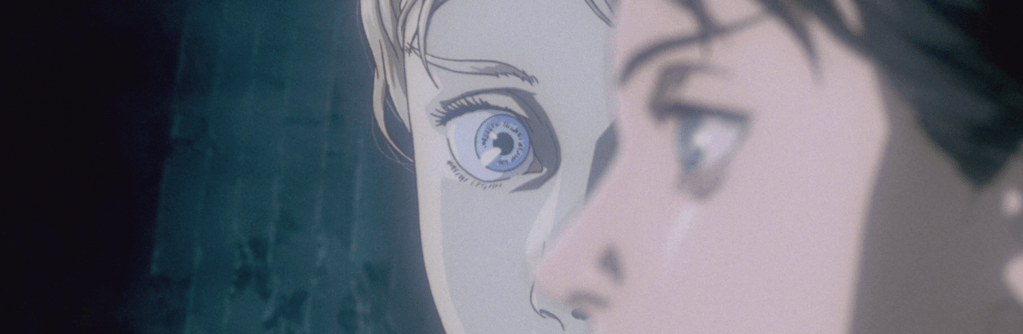
– Red Burgess –
“It can be argued that DNA is nothing more than a program designed to preserve itself. Life relies upon genes to be its memory system. So, man is an individual only because of his intangible memory. Memory cannot be defined, but it defines mankind. The advent of computers, and the subsequent accumulation of incalculable data has given rise to a new system of memory and thought. Humanity has underestimated the consequences of it’s computerisation.”
Puppet Master VA’d by Iemasa Kayumi, Ghost in the Shell (1995)
The above quotation is taken directly from the writing of Kazunori Itō in Ghost in the Shell (Dir. Mamoru Oshii, 1995), based on the manga of the same name by Masamune Shirow (1991). In this monologue delivered by the Puppet Master, it is argued that the human DNA is “nothing more than a program designed to self-preserve.”
As is largely agreed upon in the field of memetics, imitation is the primary transmitter of culture (Mimetic Theory Project 2020), but it is also the foundational principle of biological life (Dawkins 1976: 25). Biologist Richard Dawkins first described the term ‘meme’ as “a noun that conveys the idea of a unit of cultural transmission, or a unit of imitation.” (Dawkins 1976: 12)
Much like the virality of genetic patterns, social trends that produce culture, and vice versa, permeate the societal zeitgeist through the degree to which they are imitate-able (Atran 2001: 12). The replicating processes of cells are therefore comparable to the high-fidelity transmission of cultural information which, as Atran states, “constant, rapid “mutation” of information during communication generates endlessly varied creations […] of cultural information.” (1990: 1)
But in what way does this affect the definition of one’s humanity? For Shirow who engages with these memetic understandings of the individual and their position in society throughout his 90’s manga, he proposes the argument that DNA reflects the self-learning algorithms of AI, largely due to the defining factor of memory. In the same way that social memetics mirror and thus embed themselves within wider cultural memory, cells function through complex self-learning memory systems, just as digital technologies (with specific reference to AI learning units) algorithmically react to and regurgitate their database of information, embodying an artificial notion of memory.
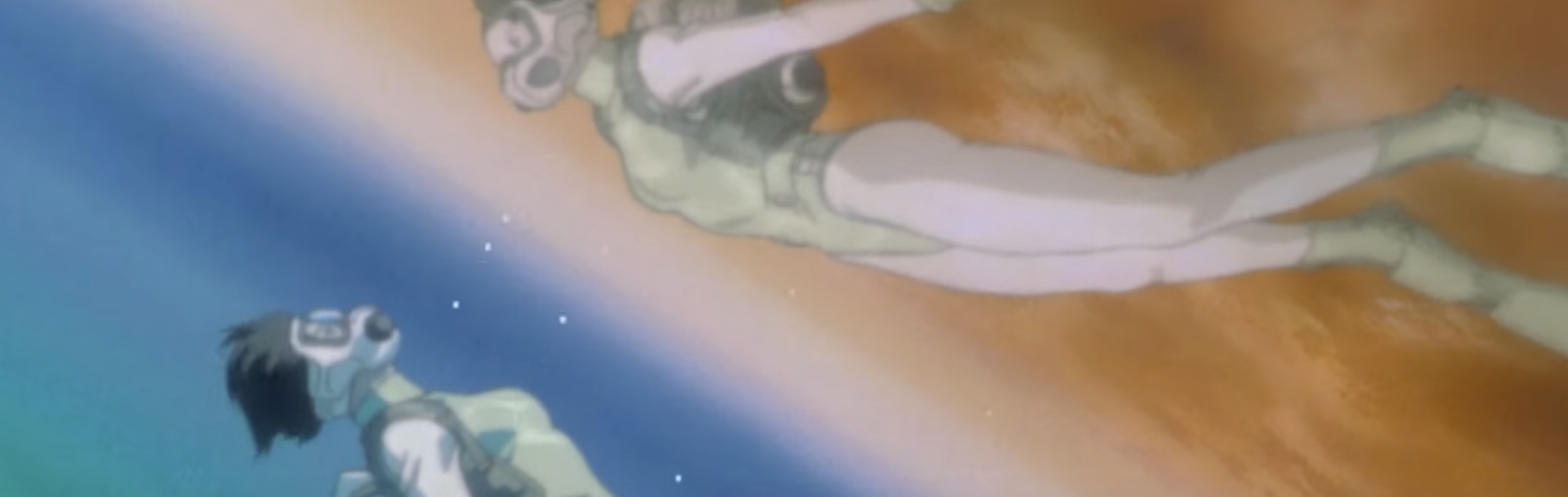
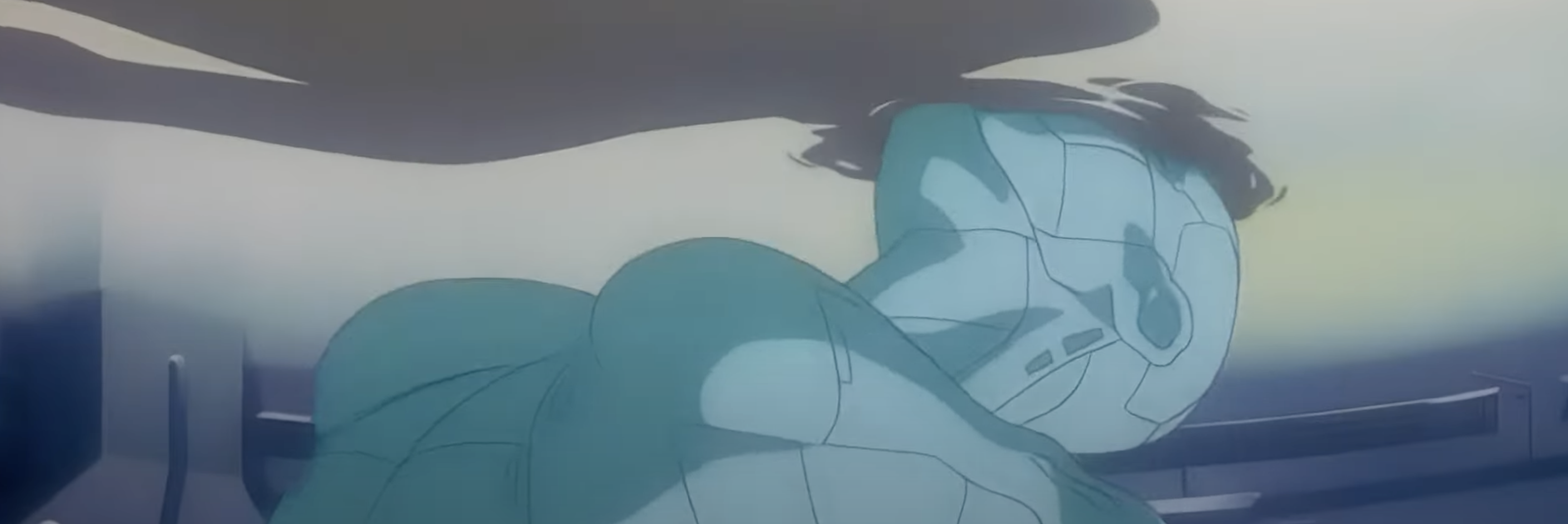
Charlie Brooker’s aptly titled TV series ‘Black Mirror’ (2011 – Present) references the reproduction of the mirrored image seen in the dormant screen of a typical contemporary phone (Gibson & Carden 2020: 7). The reminiscence of the human reflection in technology is explored throughout all six seasons of Brooker’s show, in the same vein as Shirow’s filmic representation of digital imprints now defining that which constitutes as mankind’s collective memory of self. The ‘black mirror’ of technology now dictates cultural memes, rather than the once organic human interactions (Gibson & Carden 2020: 7).
Instead, digital ‘regurgitation’ of memes through algorithms now maximises the potentiality of cultures most viral transmitters; reproduction of social trends as simple as using a phone, using social media such as instagram youtube, posting trends on such platforms, are no longer informed by the desires of individuals to memetically engage, but instead because such acts are memetic expectations (Shifman 2013: 45).
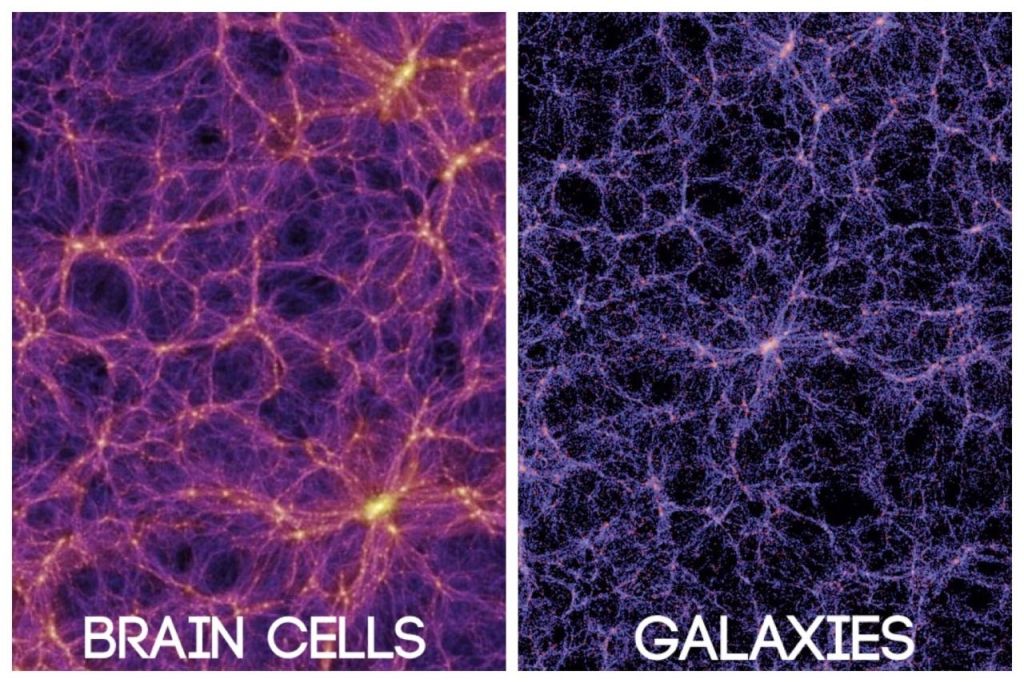
Yoscovits described memes as “much more than silly little fads […] they inform many parts of our culture or ideas. This includes language, religion, science, buildings, etc. Any idea or knowledge that can be passed from one person to another.” (2009: 3) In the post-modern technological era, not too far from the world constructed in Shirow’s ‘Ghost in the Shell’, our self images and the extension of ourselves we see as being present in digital space are guided and controlled by the algorithms we have consequentially created for ourselves (Corbett 2009: 33).
———————————————————————–
References
- Shirow, S. (1995) Ghost in the Shell.
- Dawkins, R. (1976) The Selfish Gene. Oxford University Press.
- Mimetic Theory Project. (2020) Memetic Theory versus Mimetic Theory. MimeticTheory.com.
- Yoscovits, Z. (2009) Memetics: The Evolution of Culture.
- Atran, S. (2001) The trouble with memes: Inference versus imitation in cultural creation. Human nature, 12(4), pp.351-381.
- Atran, S. (1990) Cognitive Foundations of Natural History. Cambridge: Cambridge University Press.
- Gibson, M. & Carden, C. (2020) The Moral Uncanny in Black Mirror. Springer Nature.
- Shifman, L. (2013) Memes in digital culture. MIT press.
- Corbett, A. (2009) Beyond ghost in the (human) shell. Journal of Evolution and Technology, 20(1), pp.43-50.
 Digital Audiovisual Media Class Blog
Leave a comment