In our exploration of ‘Trans TV’ this week, we delve into the evolving landscape of internet-distributed television with a particular focus on gender identities. Building on the previous discussion, we examine the aesthetic potentials and challenges presented by new digital platforms, questioning to what extent these technical transformations constitute a ‘transing’ of television aesthetics and content.
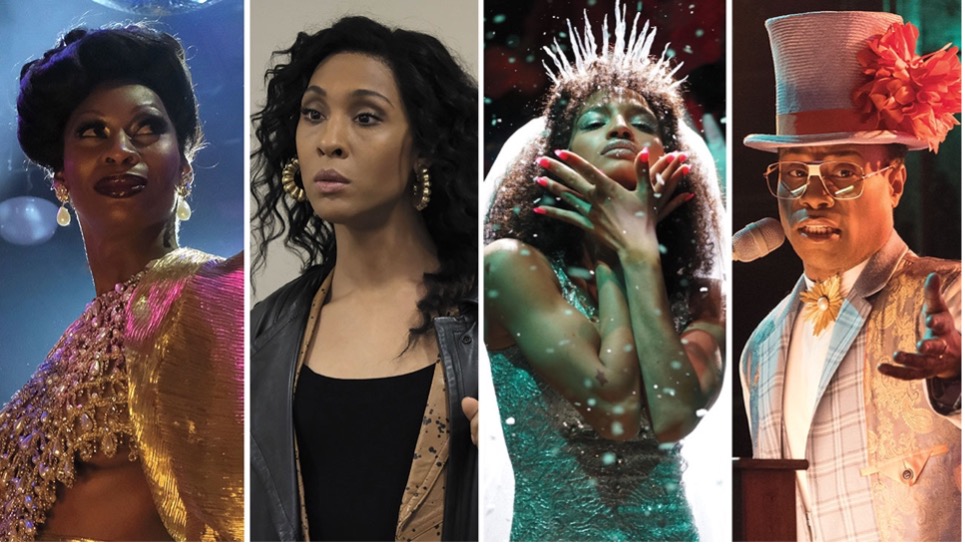
A compelling case study in this realm is the groundbreaking series “Pose.” Set against the backdrop of the vibrant ballroom culture in 1980s New York, the show not only features trans characters prominently but also pioneers authentic representation of gender identities. Created by Ryan Murphy, Brad Falchuk, and Steven Canals, “Pose” challenges conventional norms, exploring the complexities of identity, family, and ambition within the transgender community. The series not only showcases trans performers in leading roles but also employs a diverse production team to ensure an authentic and nuanced portrayal.
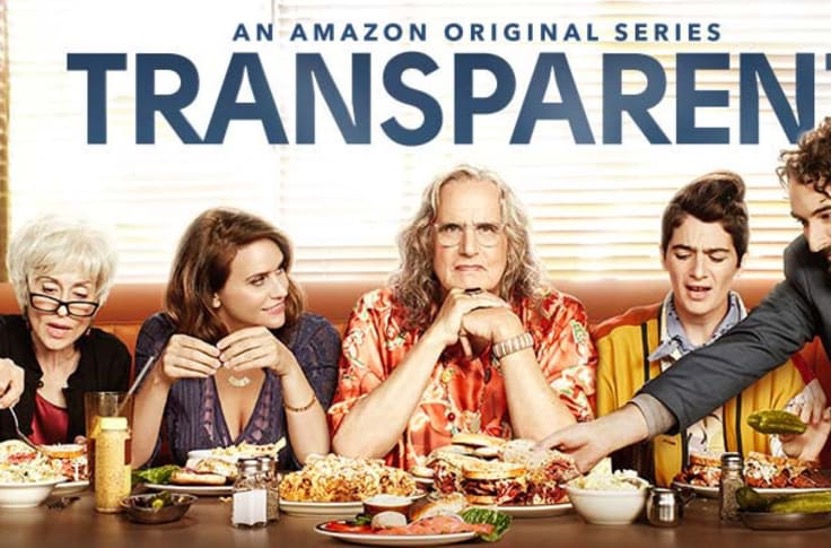
Additionally, the series “Transparent” provides another noteworthy example. This Amazon Prime production follows the journey of a father coming out as transgender to his family. Through its narrative, “Transparent” navigates the intricacies of gender identity, family dynamics, and societal perceptions, contributing to the ‘transing’ of television content.
These series, along with “Sense8” and “Euphoria,” demonstrate how digital and internet technical transformations have facilitated a more inclusive representation of trans experiences. The diverse storytelling and authentic portrayal of trans characters mark a departure from traditional television norms, contributing to a broader and more nuanced understanding of gender identities.
However, amidst these potentials, challenges persist. The ‘transing’ of television aesthetics raises questions about authenticity, stereotyping, and the responsibility of creators in portraying diverse experiences accurately.
In conclusion, as we navigate the evolving landscape of ‘Trans TV,’ the showcased series exemplify the transformative power of new digital platforms in redefining representation. Yet, it is essential to critically examine the potential pitfalls, ensuring that these narratives contribute to a richer understanding of gender identities while avoiding harmful stereotypes.
Posted by Yaqi Jiang
 Digital Audiovisual Media Class Blog
Leave a comment