MTV began broadcasting music videos in 1981, primarily utilising music videos as a promotional tool for songs (Arnold, 2017:2). Its purpose was to showcase artists, highlighting their talents, bodies, and images (Arnold, 2017:7). Nevertheless, this paradigm has undergone a transformation. I will demonstrate this shift through an analysis of the visually captivating music video “Breathe Me” by Sia.
In the music video “Breathe Me,” Sia delves into her darker side, expressing themes of loss and self-harm. In order to showcase her feelings and establish a strong audio-visual contract, the “relationship between sound and moving images” (Shaviro, 2016), she visualises herself in images depicting anxiety and depression.


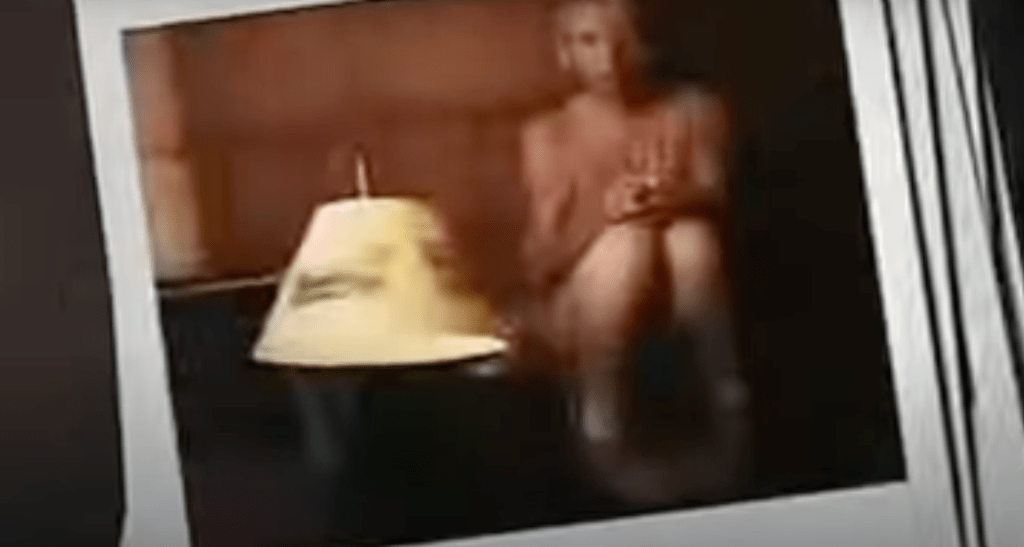
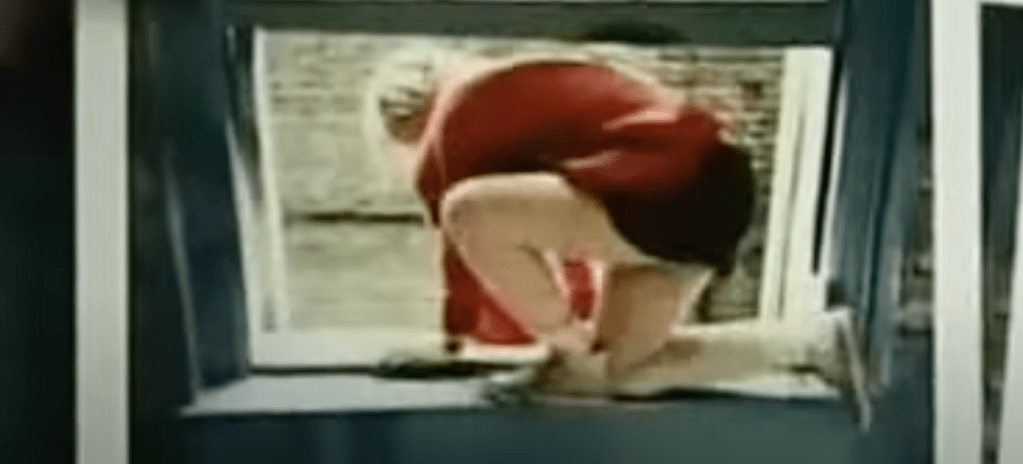
To begin with, unlike typical promotional videos that involve choreography, aim to comment on celebrity culture, and air their political views (Arnold, 2017:2), “Breathe Me” is more of a visual narrative. The video is composed solely of swiftly transitioning images from various angles of the same scene, creating dynamic visual storytelling that places her in diverse settings and emotional states. Additionally, the music video is of low quality and does not fall into the category of a “high-budget music video” (Arnold, 2017:22). Furthermore, YouTube’s policy involves several factors: artists can generate money through advertisements (Mirzoeff 2009: 8, 9) or by claiming ownership when someone else uses their song (Minecc & Freedman, 2022). Apparently, the music video was not uploaded by Sia but by an unknown individual, “Josechu DJ,” in 2016, even though the song was released in 2004, implying that she did not receive any financial benefit from it.

Overall, I analysed this music video, “Breathe Me,” and it serves as a good example of an illustration of how such visual creations can be regarded as art rather than promotional tools. Despite featuring the artist like most of the music videos (Arnold, 2017:7), it deviates from the typical commercial product categorization, given the absence of financial gains and body. Instead, it places a strong emphasis on storytelling visuals, showcasing the unique artistic side of music videos and showing a “new aesthetic era” emphasising the relationship between art and technology (Arnold, 2017:218) in music videos, moving beyond mere promotion.
References:
Arnold. G. & Cookney, D. & Fairclough, K. & Goddard, M. (2017). Music/Video: Histories, Aesthetics, Media. “Introduction: The Persistence of The Music Video Form”. Bloomsbury Academic.
Price, J. (2018). “Sia Opens Up About Her Suicide Attempt“. Complex. Article. https://www.complex.com/music/a/backwoodsaltar/sia-opens-up-about-suicide-attempt
Minnec, A. & Freedman, A. (2022). “How Do Musicians Make Money From YouTube?” Medium. Article. https://acfreedmanlaw.medium.com/how-do-musicians-make-money-from-youtube-aaa20da607f4
Shaviro, S. (2016). Post-Cinema. Theorizing 21st-Century Film. “Splitting the Atom: Post-Cinematic Articulations of Sound and Vision“. Reframe Books. https://reframe.sussex.ac.uk/post-cinema/3-4-shaviro/
Mirzoeff, N. (2009), “An Introduction to Visual Culture“, 2nd edn. Routledge.
Sia. (2004). “Breathe Me“. YouTube, uploaded by Josechu Dj, February 15, 2016, [https://www.youtube.com/watch?v=wHyTSwyZ330]. Accessed on November 20, 2023.
 Digital Audiovisual Media Class Blog
Leave a comment