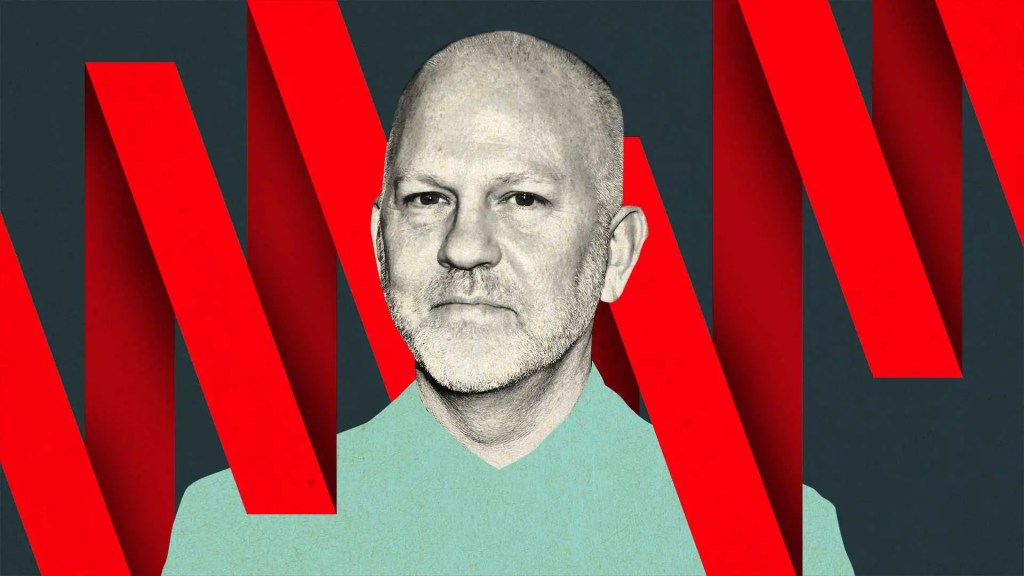
We will look into the impact streaming platform Netflix has had on the representations of the LGBTQ+ community alongside the rise of Ryan Murphy who has been described as…” The most powerful man in Television” whose shows heavily feature queer characters. Focusing on the FX show ‘Pose’ created by Ryan Murphy, which featured the first openly gay male (Billy Porter) to be nominated and win an Emmy for Outstanding Lead Actor in a Drama Series, we will focus on season 1 which depicts African American and Latino communities in the 1980s and 1990s. A majority of the actors are queer giving the truest representation seen yet.
In the opening scene inside a museum, characters are presented as confident, strong and together, they know who they are and are no longer restricted to side characters. This kind of representation is one rarely seen, having a whole show based around multiple LGBTQ+ characters with their own personalities and troubles. Elektra Evangelista (played by Domique Jackson) states inside the fine art museum “This should be my new apartment” as “In my House” by the Mary Jane Girls plays in the background. The juxtaposition of presenting themselves as royalty while having them have to hide in darkness in order to steal royal clothing due to societal oppression (while we see stolen African artefacts in the museum) is profound due to the pride the queer community has to reclaim their rights. We see them in their true form in the ballroom scene where they vogue and present larger-than-life figures.
It is argued that not only does it represent TransTV… “but rather the ‘transing’ of the medium itself, its aesthetics and politics: (Goodard, Hogg) This theory can be backed by Ryan Murphy signing the largest development deal in Netflix history rumoured to be around $300 million. The aim was clearly to get the streaming generation to buy into Trans TV being normalised.
Netflix deserves credit for the transformation of media, highlighting LGBTQ+ communities and giving queer producers like Murphy, who had already created successful series on traditional networks featuring queer characters such as Fox (9-1-1: Lone Star) and FX (American Horror Story) an opportunity to create an abundance of shows that share these themes. In conclusion, streaming services have become the most accessible way of viewing content and it is clear that the normalisation of Trans TV is taking place before our eyes with Netflix and Murphy leading the way.
By Miles Mitchell
Goddard, Edited and introduced by Michael, and Christopher Hogg. “Introduction: Trans TV Dossier, III: Trans TV Re-Evaluated, Part 2.” Critical Studies in Television: The International Journal of Television Studies, vol. 15, no. 3, Sept. 2020, pp. 255–266, https://doi.org/10.1177/1749602020937566.
Nast, Condé. “How Ryan Murphy Became the Most Powerful Man in TV.” The New Yorker, 7 May 2018, http://www.newyorker.com/magazine/2018/05/14/how-ryan-murphy-became-the-most-powerful-man-in-tv.
 Digital Audiovisual Media Class Blog
Leave a comment