MTV debuted on the 1st August 1981 with the broadcast of “Video Killed the Radio Star” by the Buggles and “soon became a dominant mechanism for the promotion and circulation of popular music” (Arnold, Cookney, Fairclough &
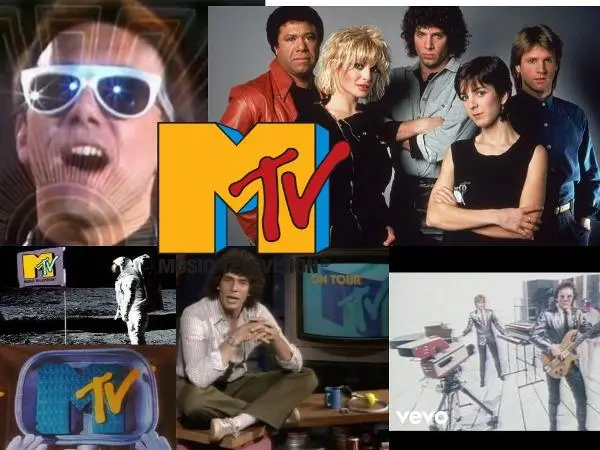
Goddard, 2017). Music videos back then were a tool for promoting, accompanying, or visualizing music. However, music videos have emerged as a transformative and influential force in the media evolution steering away from just a mere MTV commodity .”Music video has since undergone shifts in technologies and platforms, periods of intense cross-pollination with other
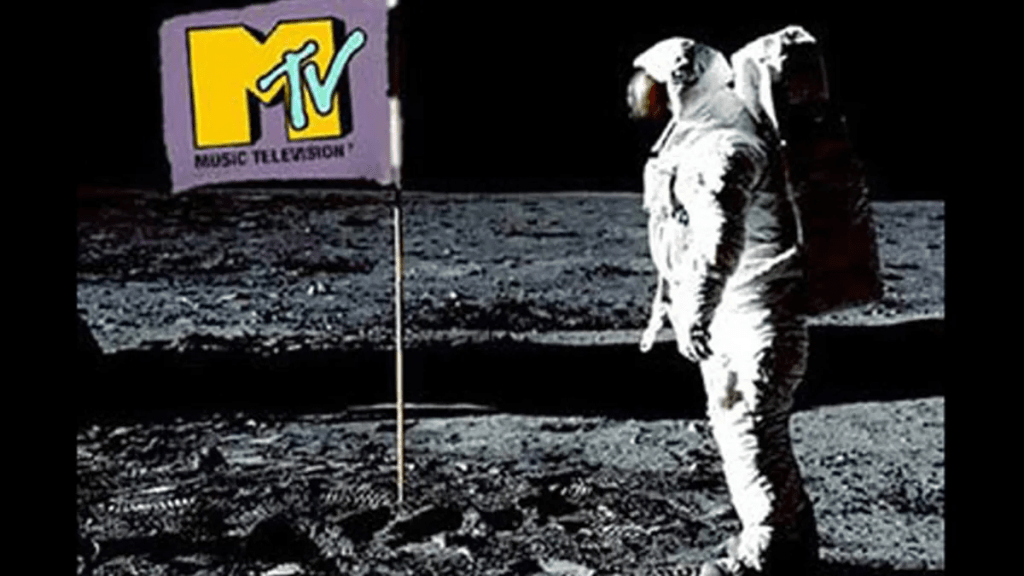
media, financial booms and busts, and changing levels of audience engagement” (Vernallis, 2013). In today’s landscape, music videos showcase a diverse array of durations, spanning from brief 10-second snippets to extended pieces that last several hours, challenging the established format of the traditional four- to five-minute video. The purpose of music videos has also evolved, moving away from being solely products of record companies on a few satellite services towards now being streamed on an expansive range of commercial websites and platforms, such as YouTube.
However, the new mainstream music video has faced sustained criticism due to its tendencies to perpetuate limited and regressive representations, often reinforcing overtly sexualized portrayals, with a particular focus on women. For example, Robin Thicke’s “Blurred Lines”, which was branded the most controversial song of the decade (Guardian, 2013), features naked women parading around men whilst they sing lyrics such as “I know you want it”.

This controversy amplifies the ongoing discourse surrounding the industry’s responsibility to challenge harmful stereotypes and leads to question the impact of explicit imagery on societal perceptions in an era of advancing technology, prompting a call for greater accountability in the creation and consumption of such content. This resonates with Neil Postman’s (1992) statement that every technology is both a burden and a blessing, evolving landscape of music videos, from MTV’s creation in 1981 to the present, the industry grapples with the dual role of technology as both a transformative force and a potential perpetuator of regressive representations.
Bibliography
Arnold, G., Cookney, D., Fairclough, K., & Goddard, M. (2017). “Introduction: The Persistence of the Music Video Form from MTV to Twenty-First-Century Social Media.” In Music/Video: Histories, Aesthetics, Media. Bloomsbury Academic.
Arnold, G. (2017). “Why Psy? Music Videos and the Global Market.” In Music/Video: Histories, Aesthetics, Media. Bloomsbury Academic
Lynskey, D. (2013) Blurred lines: The most controversial song of the decade, The Guardian.
Vernallis, C. (2013). Unruly Media: YouTube, Music Video, and the New Digital Cinema. Oxford University
By Dzesika Olenberga 33710608
 Digital Audiovisual Media Class Blog
Leave a comment