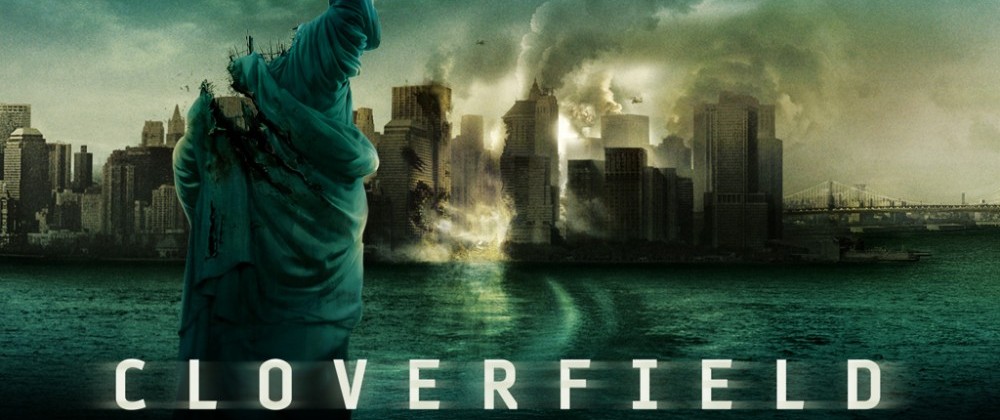
With the ongoing growth and development of media within the 21st century its impact on cinema and television has transformed the landscape into what theorists have discussed as a ‘post-cinema perspective’. Denson and Leyda (2016) suggests ‘post-cinema’ as an amalgamation of new digital media along with new ways of thinking around cinema that both transforms and distances itself from “cinematic regime of the twentieth century” (p2).
Media theorist Steven Shaviro discusses post-cinema through his idea of ‘post-continuity’ which I would like to discuss in conjunction with the film Cloverfield (Reeves, 2008). Post-continuity, as Shaviro (2016) suggests is the violation of classical continuity editing by modern filmmakers who have adopted filming and editing techniques that fracture and break away from ‘spatiotemporal continuity’ (p51) of the past.
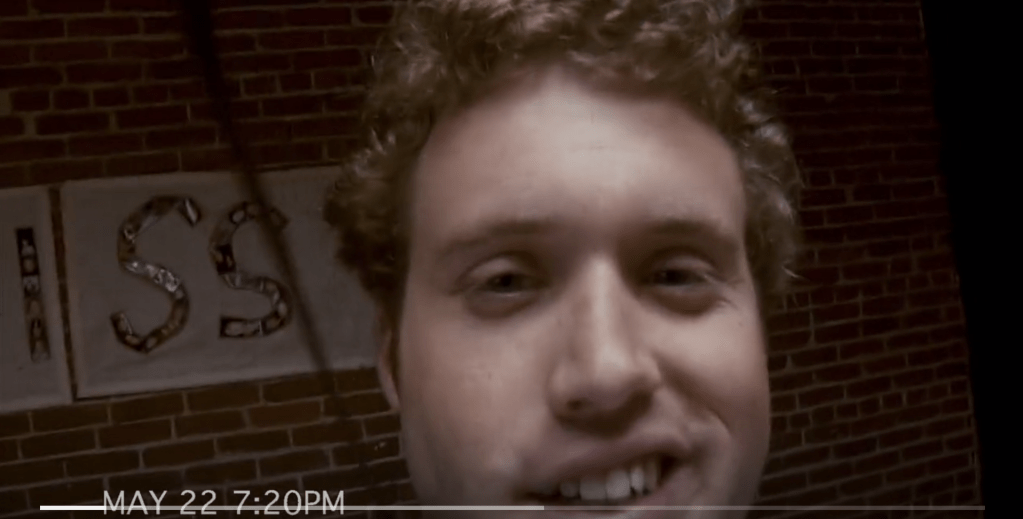
An example of this in Cloverfield is how it is filmed as if it was taken directly by the character ‘Hud’ through a video camera he uses to document a party that evolves into documenting his journey through New York as its attacked by a creature. This decision breaks from the classical use of cameras as invisible changing how the audience views the film. The first-person style of filming is also interrupted with cuts to different points in time going forward as well as back to moments that make it appear that Hud is overwriting the film already in the camera. These cuts present a distinct difference to normal continuity editing where one, arguably, expects a standard sutured linear way of watching a film.
One of the few shots where we see ‘Hud’ who acts as the cameraman documenting events within the film universe.
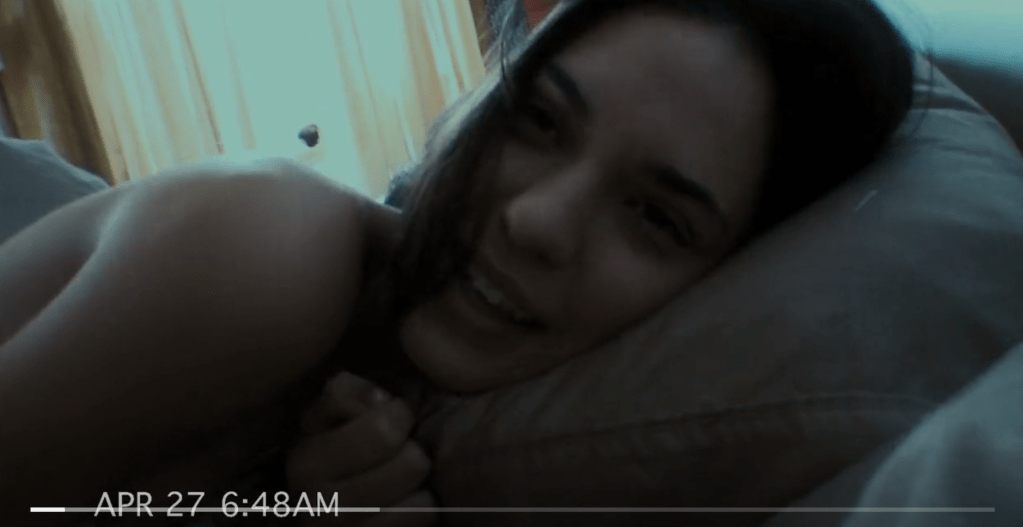
Shot where continuity is interrupted and jumps to a different point in time and location
Shot where continuity is interrupted in a jump in time but location remains the same.
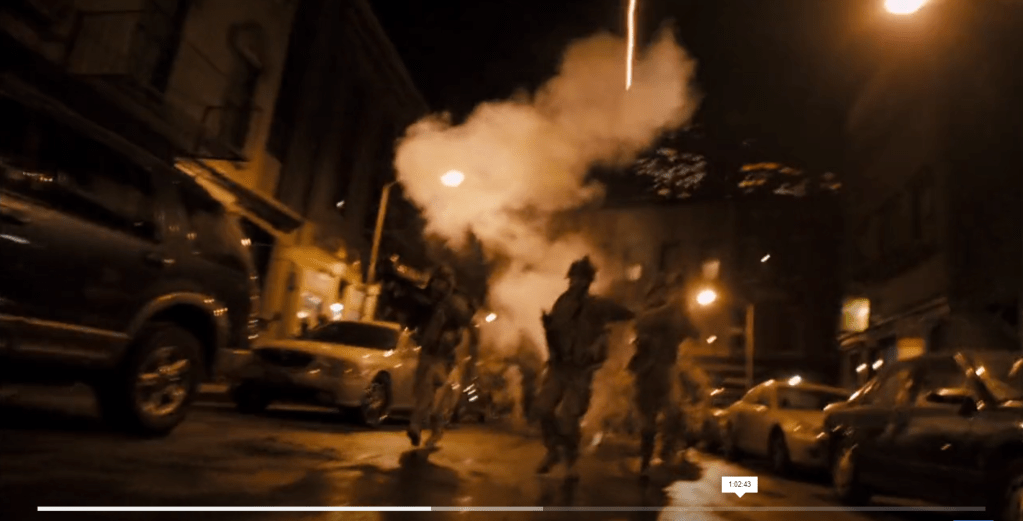
The disjointed editing and jumping forward and back in time and space also desutures the audience arguably making them aware that at any point the continuity of the film will be interrupted and unpredictable. That is not to say that the films narrative is impossible to understand just that its “continuity has ceased to be important” (p56) in the post-cinema landscape.
References
Cloverfield (2008). Directed by Matt Reeves [Film] United States: Bad Robot Productions
Denson, S. & Leyda, J. (2016). Perspectives on Post-Cinema: An Introduction. In Denson, S. & Leyda, J (eds) Post Cinema: Theorizing 21st-Century Film. REFRAME Books
Shaviro, S. (2016). Post-Continuity: An Introduction. In Denson, S. & Leyda, J (eds) Post Cinema: Theorizing 21st-Century Film. REFRAME Books
 Digital Audiovisual Media Class Blog
Leave a comment