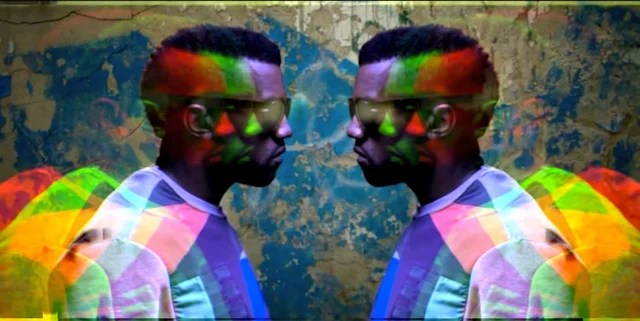
The use of digital aesthetics in music videos has transformed the way we experience and consume music. Although films had begun to try using animation in the late 1970s, it was video directors push to experiment with this new hardware that brought it into the mainstream (Kelly 2021). Artists may now build visually attractive and immersive worlds that accompany their musical performances thanks to technological breakthroughs. However, some claim that the music industry’s emphasis on digital aesthetics has resulted in a decrease in innovation and authenticity.
One of the most common accusations levelled at digital aesthetics is that it encourages musicians to hide behind flashy images rather than focusing on the quality of their song. In an age when appearance is everything, it is all too tempting for artists to put style ahead of substance. This can result in a lack of creativity and depth in their work, as they rely on visual effects to compensate for poor lyrics or performances. Additionally, digital aesthetics might add to a sense of disconnection between the artist and their audience. With extensive CGI effects and hyper realistic graphics, audiences may become more focused on the spectacle than on the feelings communicated by the song.
Proponents of digital aesthetics, alternatively, say that they improve our comprehension and appreciation of music by offering a visual narrative that complements the sonic elements. Music video coveys a brief state of suspended bliss (Vernallis 213, pg 3). Music videos allow musicians to express themselves creatively through story line and symbolism, providing viewers with an immersive experience. Digital effects can improve these story lines by adding layers of meaning or constructing fanciful worlds that would be impossible to create otherwise. Kanye West’s “Welcome to Heartbreak” is a prime example of the power of digital aesthetics in modern music. The song, released in 2008, showcases West’s ability to blend traditional hip-hop elements with innovative digital production techniques. Additionally, in the music industry, digital aesthetics have democratised access to visual storytelling. Previously, only established musicians with big budgets could afford high-quality video production values. Even new musicians with limited resources can now generate visually attractive content with low-cost software and equipment.
References:
Kelly, J. (2021) Digital Art Application to Music Videos
Vernallis, C (2013) Unruly media: YouTube, music video and the new digital
https://r3.vlereader.com/Reader?ean=9780199322176
By: Alicia Mahady-Ahedo 33699698
 Digital Audiovisual Media Class Blog
Leave a comment