For decades, television’s landscape mirrored a world less cognizant of the rich tapestry of human identities. Only recently have we seen a significant shift, a blossoming of narratives that celebrate the complexity of trans and non-binary experiences. This evolution, while inspiring, prompts a reflection on why such representation was delayed.
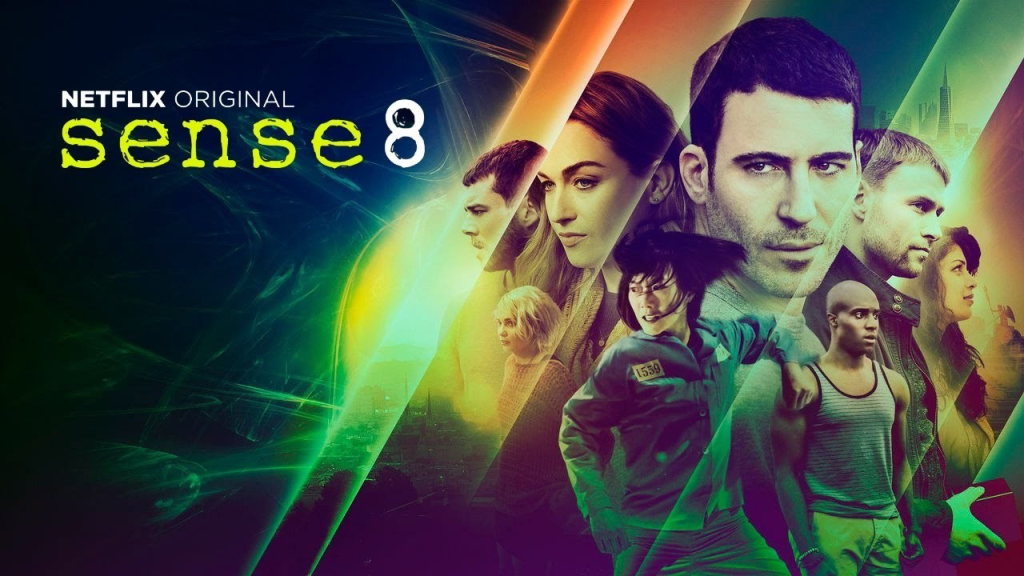
Historically, television, a mirror to societal norms, shied away from diverging from the traditional gender binary. This hesitance sprang from entrenched societal misconceptions and biases towards trans and non-binary individuals (Galluzzo, A.C., 2021). Such identities, when they did surface, were often cloaked in stereotypes or used as fodder for humor, rather than explored with the depth and empathy they merited.
The conservatism of early television networks, driven by a fear of alienating advertisers and certain audience segments, played a significant role in stifling diverse representation. These networks, gatekeepers of televised content, opted for narratives that reinforced rather than challenged existing gender norms.
Further, the industry’s own composition skewed heavily towards cisgender perspectives. This homogeneity in creative rooms meant the stories of trans and non-binary individuals were seldom heard or considered. The lack of varied perspectives resulted in a narrow depiction of human experiences, omitting a wide range of narratives. Yet, with the emergence of streaming services and evolving social perceptions, this scenario started changing. Netflix’s “Orange Is the New Black” pioneered by introducing a richly detailed trans character, depicted by trans actress Laverne Cox. Amazon’s “Transparent” went deeper, intricately exploring the journey and transformation of its main character, Maura, portrayed by Jeffrey Tambor. These series not only provided representation but also presented a detailed and sensitive portrayal of the realities and hurdles encountered by transgender people.
The increasing influence of LGBTQ+ activism cannot be overstated. Persistent advocacy and heightened awareness have compelled the industry to rethink its narrative choices. Shows like FX’s “Pose” mark a new era, one where trans and non-binary stories are not just side plots but the heartbeat of the narrative (Cayari, 2019).
In conclusion, the journey towards inclusive representation on television has been arduous but fruitful. It reflects a broader societal journey towards understanding and acceptance. While there’s still a road to travel, the stories unfolding on our screens today are a testament to the power of diverse storytelling and the beauty of embracing all facets of human identity.
Reference
Cayari, C. (2019) ‘Musical Theater as Performative Autoethnography: A Critique of LGBTQIA+ Representation in School Curricula’, International journal of education and the arts, 20(10). doi:10.26209/ijea20n10.
Galluzzo, A.C., 2021. The medicalisation of gender nonconformity through language: A keywords analysis. sprinkle: an undergraduate journal of feminist and queer studies, 14(1), p.5.
——HU HE
 Digital Audiovisual Media Class Blog
Leave a comment