As digital media has become the default for telling audiovisual stories, many theorists have developed contradictory opinions regarding its impact on narratives. “Unlike analog representations, which have as their basis a transformation of substance isomorphic with an originating image, virtual representations derive all their powers from numerical manipulation […] where analog media record traces of events […]digital media produce tokens of numbers” (Rodowick, 2007, 9).
Rodowick believes the transition between film and digital recording marks media becoming disconnected from reality. This perspective differs from Lev Manovich’s more optimistic viewpoint. His theory allows for a modular perception of content through the adaptability of digital media, becoming more expressive and creative, a significant advantage compared to the slight loss of realism suffered by the switch to digital. The “shift towards computer and network-based technologies, not only leads to the creation of new aesthetic techniques but also activates certain aesthetic impulses already present in the past.” (Manovich,2001).
I believe Rodowick’s theory is chronophobic and reductive. Manovich’s theory seems more connected with the core aims of filmmakers – creativity and narrative cohesion. Rodowick’s theory also relies on the foundation that film was an accurate recreation of events before the switch to digital.
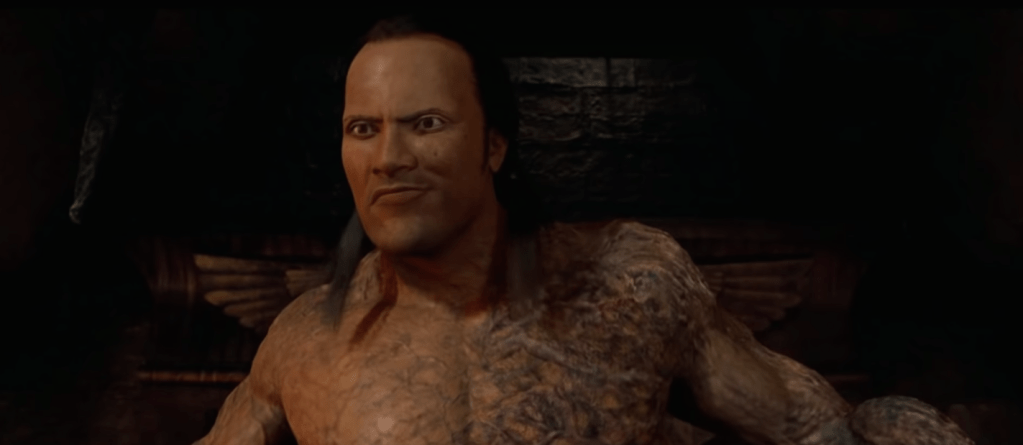
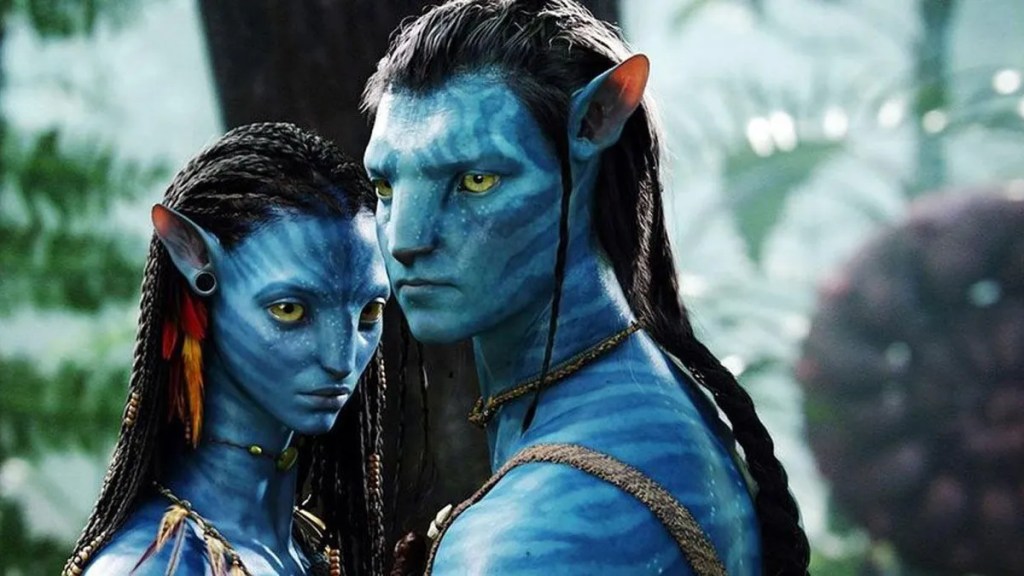
Avatar and The Mummy use heavy image manipulation, but only Avatar is commercially successful and culturally significant. This difference shows that audiences appreciate reality from a perspective of Naïve Realism. Within the context of a film, what an audience directly perceives is the reality. Whether it is real is less important than if it feels real or cohesive with the story. The Mummy suffered, not because it used image manipulation but because the manipulation was so bad it took viewers out of the experience.
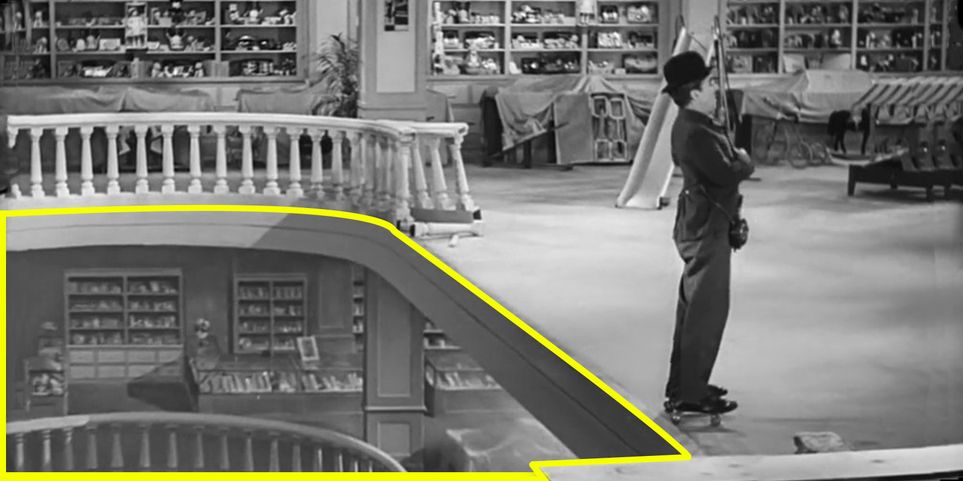
Although the chemical reaction between the light and the film is tangible, the idea that film is the product of exciting things simply being recorded is inconsistent with the culture and practices of the audiovisual medium from its inception to today. Old Hollywood used optical illusions, dating back to Chaplin’s work. Modern work such as Avatar also utilizes illusions, such as CGI, to tell its story. Since the inception of the audiovisual industry, film has always been flirting with fantasy.
The only change to the culture of audiovisual consumers and creators since the introduction of tools to manipulate that content is the strictness of the boundary between fake and real and the standard of manipulation audiences will accept.
Mondloch, K. (2001) ‘Katie Mondloch. review of “The language of new media” by Lev Manovich.’, caa.reviews[Preprint]. doi:10.3202/caa.reviews.2001.10.
Rodowick, D.N. (2007) The Virtual Life of Film [Preprint]. doi:10.4159/9780674042834.
George Algar-Nicholas
 Digital Audiovisual Media Class Blog
Leave a comment