Netflix has burst through all conventions of what television should be, breaking down rules and structures on how we watch and think about television mediums. Netflix originally was a mail-based rental business for television and DVDs, fitting in between the lines of cable and network TV; lacking choice in content, finding it hard to find original content and there being little technological control. However since 2007, Netflix has positioned itself as something other than television, by using VOD, making original content, encouraging new ways to consume content (e.g. binge viewing) and creating vast technological advancements.
Amanda Lotzs (2014) suggested three ways in which Netflix and similar networks have created this new wave of post-cable television. Firstly, by ‘technological convenience’ we have an individualised medium which can be transferred over multiple devices, resulting in being able to view content where and when we want. So if you’re on your way to work, or travelling to see a friend, you will have access to watch your favourite content – ‘encouraging longer periods of viewer engagements’ (McDonald, 2016). Furthermore, by Netflix adapting to the new technologies of streaming and the use of the internet better than rival networks, they managed to gain economic power to deliver ‘premium content’ (McDonald, 2016). Through this theatricality of television and high definition images, it makes consumers find a sense of ‘crisp reality’ and a level of detail we see in high production films; leaving them satisfied and consumed with the mediums Netflix’s produces (Lotz, 2014:55).
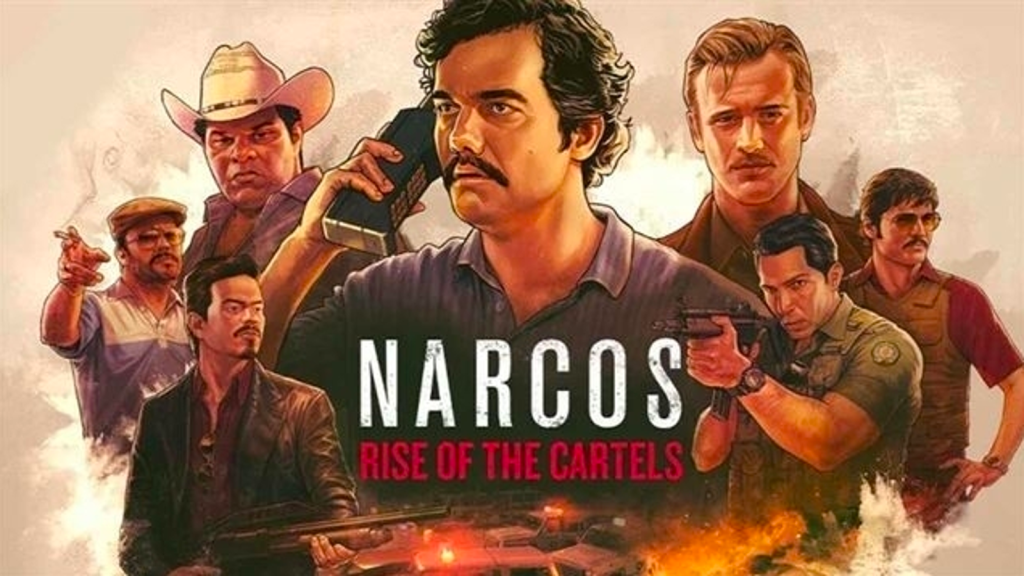
To illustrate the importance of Netflix producing original content and how that brought another new level of efficiency and newness to television, I want to discuss the conventions and impact the Netflix Original ‘Narcos’ (2015-2017). This show follows the action-packed real life story of Pablo Escobar running the Cali-Cartel in Columbia, with DEAs Murphy and Pena on his back trying to end drug trafficking into the USA. By creating original programmes, Netflix can pay less for more hours of content by eliminating the mediation of other networks, meaning they can control how the content will affect the consumer. This three season show follows fast-paced episodes, jump-cuts between the ‘good guys’ and the ‘bad guys’ point of views, and constantly leaves the audiences on cliff-hangers and frustrated as Murphy and Pena just miss out on catching Escobar.

Through Netflix’s advanced features of auto-playing the next episode and skip recap buttons, all help promote ‘binge-viewing’ on their site which means they ‘reconceptualises control’ (Jenner, 2018). Furthermore, by ‘season dumping’ their content, instead of weekly episodes seen in cable television formatting, Netflix strategy to maintain viewership is now a formalised emergent viewing practise – shifting away from cable and networks (like MTV & HBO) in their own sphere of new television.
References:
- Amanda Lotz (2017), ‘Theorizing the Nonlinear Distinction of Internet-Distributed Television’, Portals: A Treatise on Internet Distributed Television,
- Kevin McDonald and Daniel Smith-Rowsey (2016), The Netflix Effect: Technology and Entertainment in the 21st Century. London; New York: Bloomsbury.
- Mareike Jenner (2018), ‘Introduction: Netflix and the Reinvention of Television’, ‘Introduction: Binge Watching Netflix’, Netflix and the Reinvention of Television, pp. 1-31, 109-118.
- Narcos (2015-2017), Netflix
By Emma Murphy 33693622
 Digital Audiovisual Media Class Blog
Leave a comment