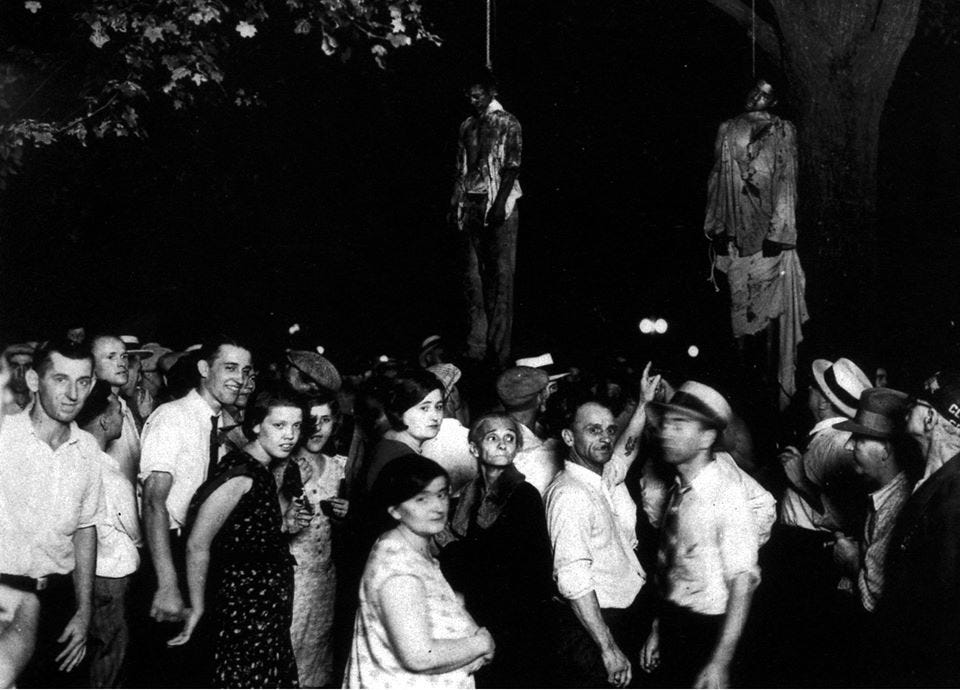
Political songs and album music videos have been extensively utilised for political and protest propaganda for many decades, particularly in the United States, dating back to the 18th century. Political songs and music videos have persisted and evolved through social media to the present day. From Motown to Rock, HipHop to Soul, numerous singers of many genres have expressed their support for issues such as the Civil Rights Movement and Post-War Remembrance. Billie Holiday, who recorded her legendary version of ‘Strange Fruit’ in 1939, is one of many major figures in protest music. This particular song focuses on the lynching of Black Americans with lyrics that compare the victims to the fruit of trees.
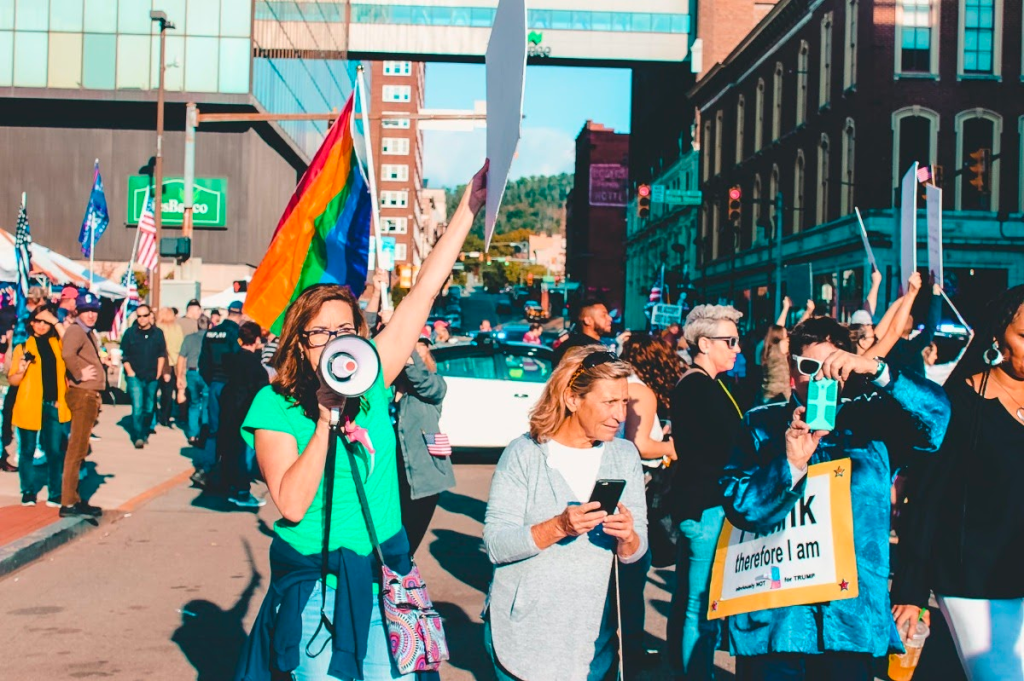
When we often focus on the ways contemporary music videos have addressed political issues of representation we also have recent examples like Beyonce’s ‘Lemonade’ (2016), Childish Gambino’s ‘This is America’ (2018) and Joyner Lucas’s ‘I’m Not Racist’ (2017). Music videos are bringing about an alignment between contemporary cinema and cinematic television. Music videos as we may argue are being used much more often to convey messages around political issues, race, gender and sexuality. Indeed, as stated by Steven Shaviro: “Films and music videos, like other media works, are machines for generating affect, and for capitalizing upon, or extracting value from, this affect.” (Shaviro, 2010)
Through research, we know that popular music and the effects of music videos are important and have a profound effect. We hope contemporary music videos can guide us through patterns of cultural identity, and be an enlightening analysis of what political music videos offer.
By George Lambert
Bibliography:
Shaviro, S. (2010) Post-cinematic affect: On Grace Jones, Boarding Gate and Southland Tales. Film Philosophy.
 Digital Audiovisual Media Class Blog
Leave a comment