Extraordinary Attorney Woo was launched on Netflix in 2022, besides the depth of the plot and the wonderful acting of the actors, the fact that the main character is an autistic person is the main highlight. At the same time, the drama also aroused public discussion, What is autism really like? It also caused me to think, is this show over-glorifying autism?
I have to say that Extraordinary Attorney Woo has a lot of depictions of the main character’s autistic behavior. According to the Diagnostic and Statistical Manual of Mental Disorders (DSM-5), one of the diagnostic criteria of autism is the stereotypical repetition of behaviors, interests, and activities. In the drama, Woo Young-Woo, a lawyer, always insisted on eating a kind of kimbap, and she was very sensitive to any slight change in the ingredients wrapped inside. Narrow and high-concentration interests are law and whales for Woo Young-Woo, but this plot is embellished. Most autistic people focus on meaningless things, such as constantly arranging cards, collecting things, and so on.
Another important core symptom of the DSM-5 diagnostic criteria for autism is dyslexia, which means that autistic people have a specific deficit in understanding the mental states of others. Woo Young-Woo and her boyfriend were completing the ‘date list’ together. But she asked, ‘Are we dating?’ This surprised her boyfriend. Woo Young Woo thought that they had been together for a while, but they didn’t talk about ‘dating’ directly, but to her boyfriend, they are already dating. This has to do with the fact that autistic people only take words literally.
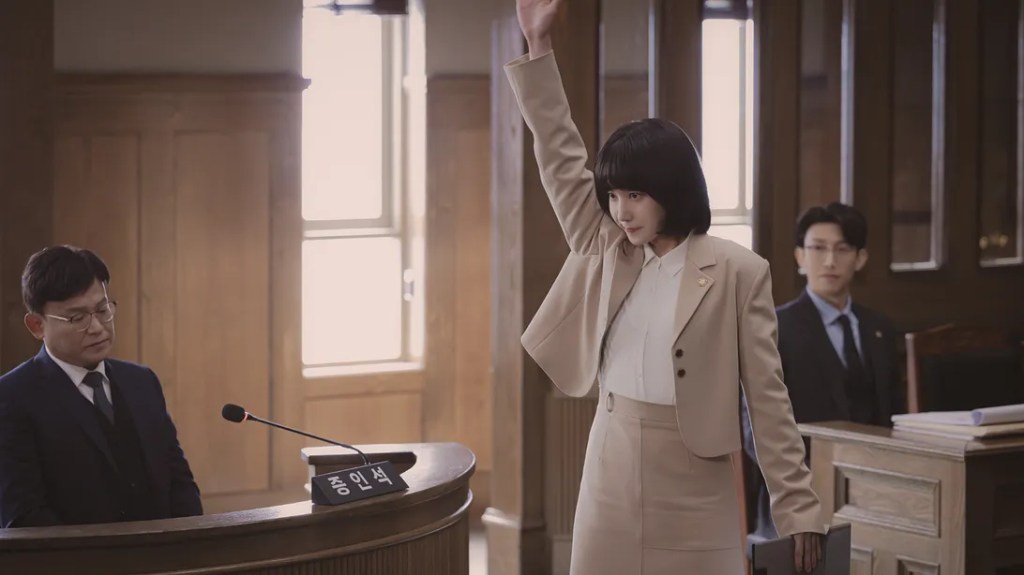
The fact that a person with romanticized and enhanced autism experiences so much difficulty in his or her personal life, let alone the reality of most autistic people, is even more worrisome. But overall, such portrayals contribute to raising awareness about the condition (Baron-Cohen 2015). The Lancet (1936) stated, “In the talking cinema, we suggest, psychiatry has an instrument not only for entertaining the mentally afflicted, but also for educating the uninitiated.”
References :
American Psychiatric Association (2013) Diagnostic and statistical manual of mental disorders : DSM-5. 5th ed.. Washington, D.C.: American Psychiatric Association.
Annotations. (1936). The cinema in psychiatry. Lancet, 228(5909), 1280.
Baron-Cohen, S. (2015). Autism, maths, and sex: The special triangle. The Lancet Psychiatry, 1, 790–791.
by Linzi Zhu 33727704
 Digital Audiovisual Media Class Blog
Leave a comment