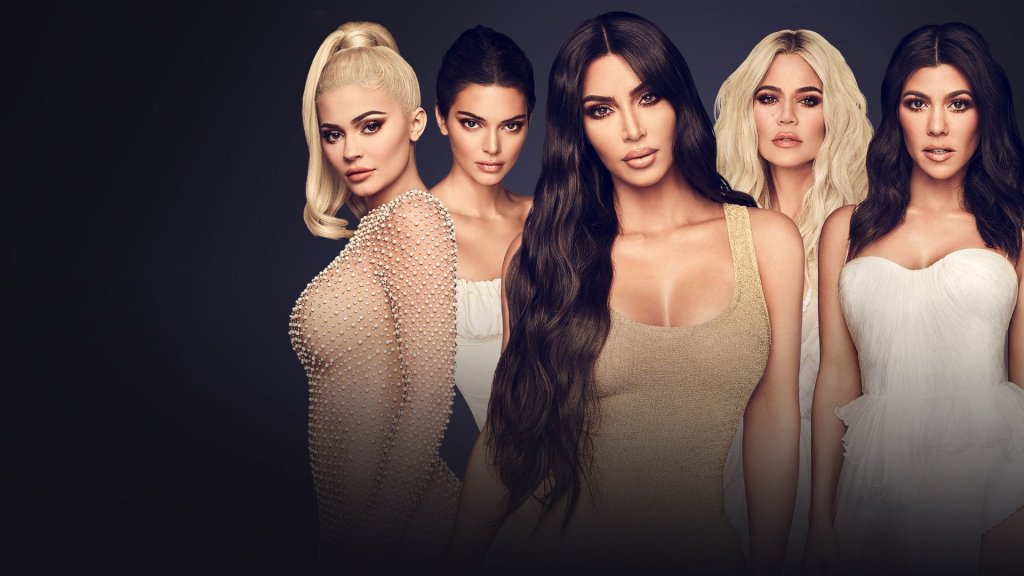
Considering the recent strikes by writers and actors, it is fair to say that the creative industries are still reeling from the inception of streaming services over 20 years ago. The advantage of the service is consumer freedom. Streaming services like Netflix and Disney+ allow the most appreciated content to be watched, irrespective of routine or device of choice. As Mareike Jenner states in Netflix and the Re-invention of Television, “binge-watching has been linked to concepts of control over the television schedule.” Streaming removes the exclusivity of time slots, allowing for a broad audience to enjoy the same variety of content. This change also allows people to catch up with the conversation on shows in a way that didn’t exist decades prior. For example, Disney+ features every previous season of Keeping Up With The Kardashians.
On top of this, as Amanda D. Lotz explains in Portals: A Treatise on Internet-Distributed Television, “Viewing device is irrelevant to this discussion.” She points out a refreshing shift that is distant from the exclusivist pretension of traditional cinema. For example, Christopher Nolan prioritized the audio in films like Tennent for high-quality speakers so much that in regular cinemas, significant portions of the dialogue were inaudible. Streaming puts the control back in the hands of the viewer, both in terms of time and viewing context. Streaming also puts time back in the control of the consumer in several other ways. Streamed shows often drop whole seasons at the same time. This choice allows people to enjoy content at their own pace. This technique has been named “binging” or a “content dump.” I think these reductive phrases take away from the power of the release style. For example, nobody calls an album release “a music dump.” The phrasing is pessimistic because it differs from the cultural norm. This technique also allows less well-known shows to capture the zeitgeist. The second season of The Bear did this on Disney+ and saw significant support, not only because of its excellent narrative but also because of the ease of access to consume all of it.
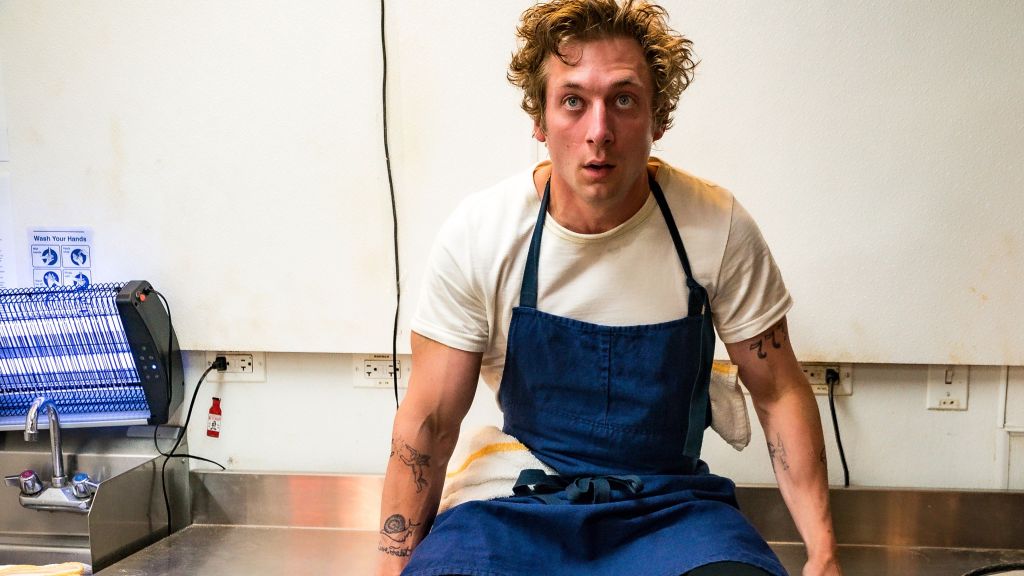
If the season was released traditionally, other shows could have made the tension the show adopts feel washed out. In that way, the release structure becomes part of the art form. Streaming offers far more chronological control of our viewing habits, opening media up in a way that allows good content to rise to the top more often and opens the cultural conversation to more people.
Fatemi, F. (2022) How TV Viewing Habits Have Changed, Forbes. Available at: https://www.forbes.com/sites/falonfatemi/2022/11/14/how-tv-viewing-habits-have-changed/ (Accessed: 29 November 2023).
Jenner, M. (2023) ‘Introduction to the second edition: Netflix and the streaming wars’, Netflix and the Re-invention of Television, pp. 1–19. doi:10.1007/978-3-031-39237-5_1.
Lotz, A.D. (2017) Portals: A treatise on internet-distributed television. Ann Arbor, MI: Maize Books, an imprint of Michigan Publishing.
George Algar-Nicholas
 Digital Audiovisual Media Class Blog
Leave a comment