Over the last two decades, we can notice the dramatic shift in content, audiences and television industries since the emergence of online streaming platforms, such as Netflix. Netflix started streaming content online from 2007, which has become the fore-front of a movement of vast representation of queer and trans content to mass audiences. The ideology of ‘TIVI’ and Trans Television intertwines the new digital internet distributed content with transgressive and minority content online, which can be seen in Netflix’s hit show ‘Pose’ (2018-2021); created by film master Ryan Murphy.
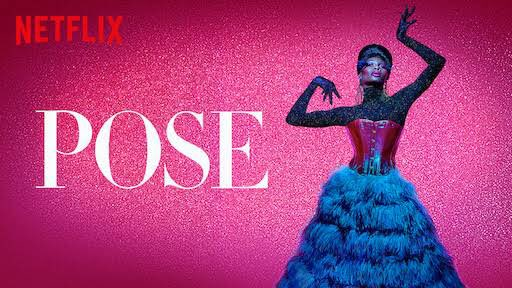
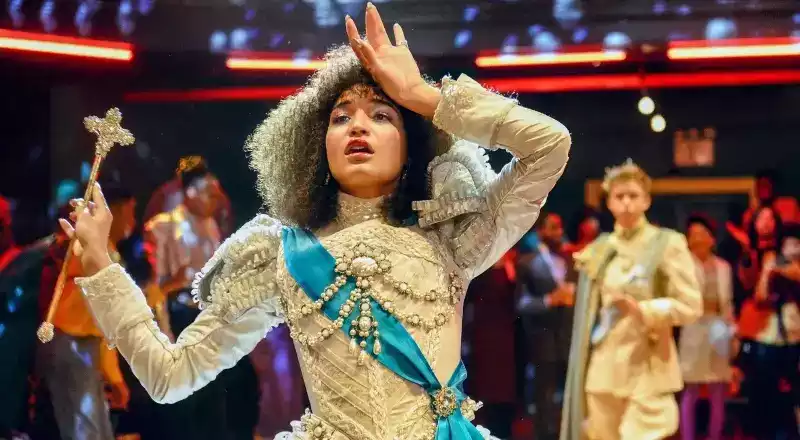
Pose is a queer television series, which follows LGBTQ+ African and Latino communities and subcultures in the New York ballroom scene, with its casts heavily featuring and following queer and trans stories in a true manner. By having trans and queer actors and writers working on this show, indicates the importance of representation in the transing of digital platforms; highlighting television are fundamentally tied to the ambivalences of visibility in relation to embodied trans lives (Koch-Rein et al, 2020:6) .In addition Indya Moore, is a transgender and non-binary actor, plays Angel Evanglista in the show. We see her character go through major ups and downs, from tough heavy situations and to serving on the ballroom scene. This representation of her character in a leading role, is a big shift from these characters being marginalised to a side character role – giving exposure and light to trans and queer stories with ‘more queer manifestation of television’ (Goddard & Hogg, 2018). Furthermore to this, these genres have existed for a long time in television but now we’re seeing a ‘transing’ of contemporary television, which is influenced heavily by audience choice and ‘trans fandoms’ (Hill, 2018)
With digital streaming platforms like Netflix using ‘binge model’ structures, by playing one programme after another and suggesting other similar forms of content to watch after finishing a show, really push the ‘relocation of the televisual experience’ as now these platforms incorporated fan practice to their sites (Hill, 2018). With this, as Netflix is funded by ‘subscriber models’, instead of ‘advertiser funded models’, it puts us in the producers’ shoes as platforms listen to what audiences want (Lotz, 2017) – highlighting the link between new affordances of digital distributed programmes and more transgressive and minority content on television.
References:
- Michael Goddard and Christopher Hogg (2018), ‘Introduction: Trans TV as concept and intervention into contemporary television’, Critical Studies in Television 13:4
- Michael Goddard and Chris Hogg 2020, ‘Introduction: Trans TV Re-evaluated part II’, Trans TV Dossier 3, Critical Studies In Television 15:: 3
- Koch-Rein A, Yekani EH and Verlindern J (2020) Representing Trans: Visibility and its discontents. European Journal of English Studies 24(1)
by Emma Murphy 33693622
 Digital Audiovisual Media Class Blog
Leave a comment