YouTube gives a sense of control back to the creator and the consumer. This control extends beyond liking or disliking a video or explaining an opinion in the comments section. The format, structure, and links embedded in a video become part of the narrative, blurring the line between format and genre. The best example is the choose your own adventure genre of YouTube videos. The way these work structurally is the first video is public. At the end of the video, bespoke video recommendations are shown. One video about whether to open a door or not may have several embedded videos with the options “Go In”, “Wait” or “Leave.”
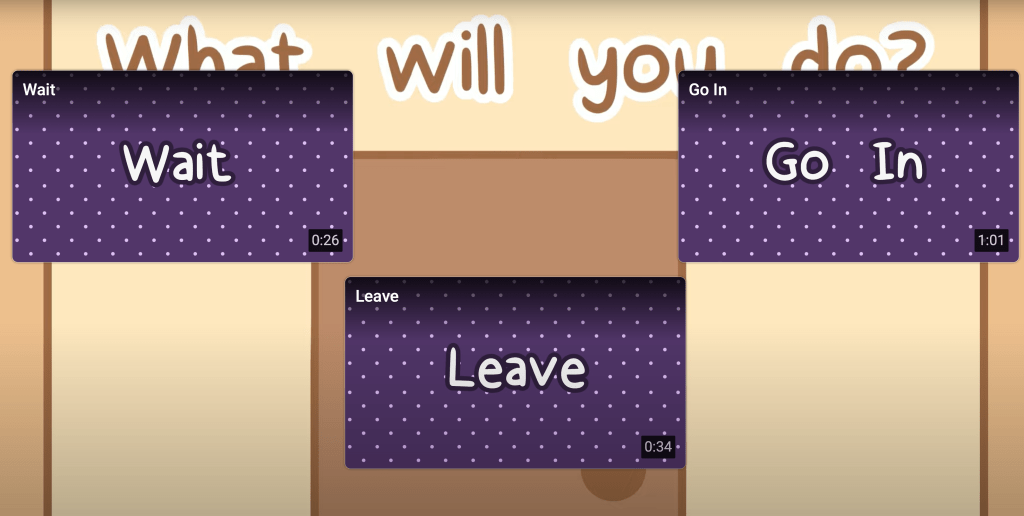
This structure allows viewers to take the narrative in their direction by watching YouTube videos. When Netflix did this with the show Bandersnatch, it was groundbreaking. However, YouTube had been experimenting with this format for years prior. For the creator, these videos are fantastic for growing their reach. This benefit is courtesy of the YouTube algorithm. A video must retain viewers throughout to be seen positively in the YouTube algorithm. “Videos with high Audience Retention scores tend to have increased visibility on YouTube’s platform.”(Dean.2023). For small creators, getting an audience to watch a five-minute video all the way through is a challenge. However, it becomes less of an issue when those five minutes are part of a larger, interconnected narrative. It makes the video look like it has high retention because the algorithm sees it as a singular video, not the start of a game. Along with excellent storytelling, this is how channels that create this content have disproportionate views for their channel size. Escape the School, for example, has over 100k views, unexpected for a channel with 7k subscribers.
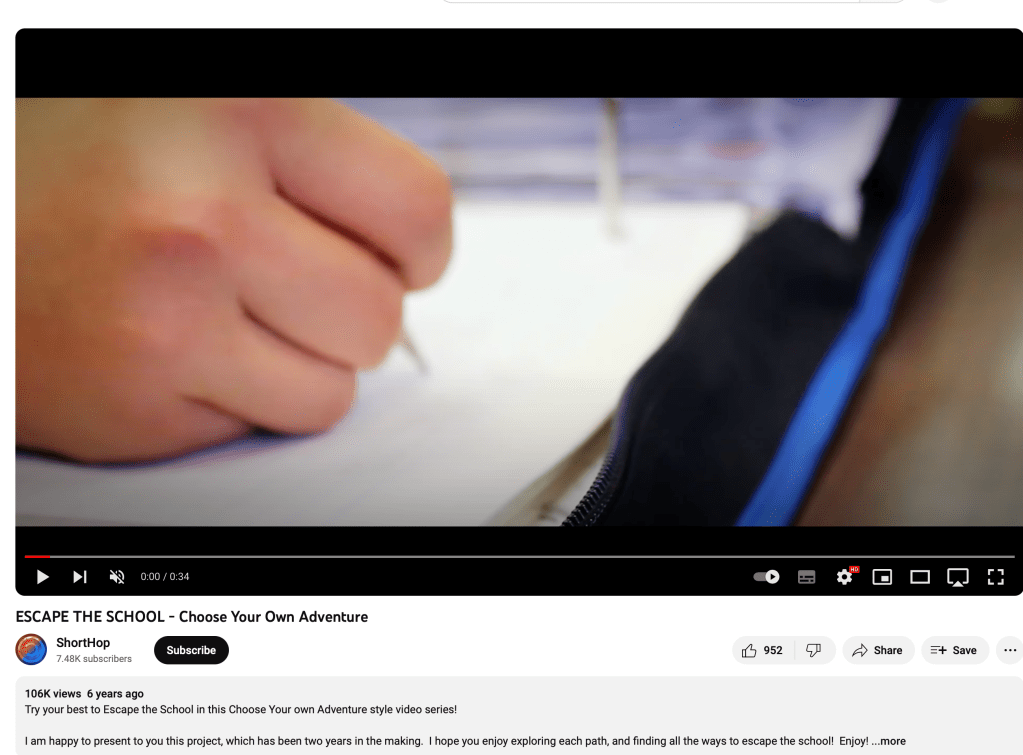
YouTube recently stated “Our algorithm doesn’t pay attention to videos; it pays attention to viewers. So, rather than trying to make videos that’ll make an algorithm happy, focus on making videos that make your viewers happy.”This sentiment has led to a generation of the sharpest creators trying to find the most efficient way of prioritising their viewers. Through the sheer breadth and depth of their talent, it is no surprise YouTube beat the mainstream to the punch, not just in this specific case but in defining the future of media as a whole.
McLachlan, S. (2023) How the YouTube algorithm works in 2023: The Complete Guide, Social Media Marketing & Management Dashboard. Available at: https://blog.hootsuite.com/how-the-youtube-algorithm-works/ (Accessed: 20 October 2023).
Southern, M.G. (2021) 20 confirmed facts about YouTube’s algorithm, Search Engine Journal. Available at: https://www.searchenginejournal.com/youtube-algorithm-facts/403984/ (Accessed: 20 October 2023).
George Algar-Nicholas
 Digital Audiovisual Media Class Blog
Leave a comment