Music videos in this 21st century have converted and evolved into something more than promotion for a song. Since the 1980s, we can see the transformation between music videos seen on MTV to music videos we see now; with the digitalisation of the new aesthetic era of audiovisual music. Furthermore, since MTV swerved lanes into producing reality shows, other digital platforms like Youtube, took the reins for being a main site to upload music videos. This new form of cross media authorship and new transmedia influences, saw the cinematic effects and attitudes towards traditional music videos change, creating a “mixing board aesthetic” (Vernallis ,2013:5-6). Without the restraints of conglomerate control of personal agency in music videos, it allowed the wave of circulation and volume of transgressive political voices in regards to sex, gender and violence. We can see this in Beyonce’s 2016 visual album ‘Lemonade’, and more specifically her leading song for the album, ‘Formation’.
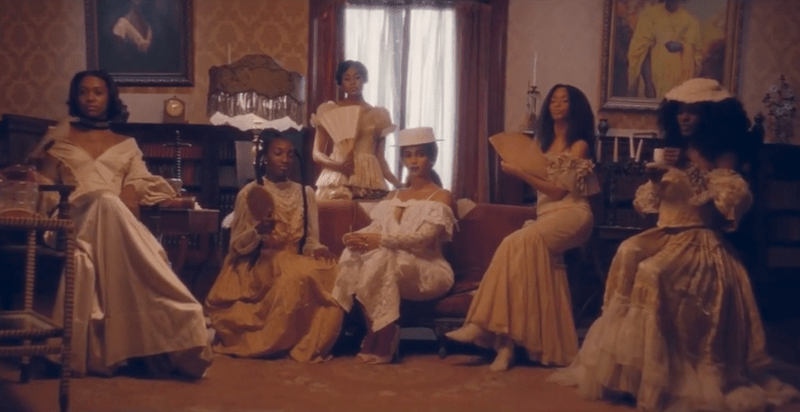
Formation did not hold back at all, covering important topics and issues black Americans face in the US: such as police brutality, the lack of support in New Orleans after Hurricane Katrina, and the effects of slavery and plantation labour. We see medium shots of Beyonce sinking into the flood waters on top of a New Orleans police car, which represents the lack of support from establishments in a time of crisis in Black areas. Furthermore, shot-reverse-shots are used in a scene where a black child is faced up against a large group of white police officers, pleading to ‘stop shooting us’. These upsetting but important scenes, innovates a new form of music video while also ‘extracting new affect’ and feelings for audiences to be educated (Shaviro, 2010).


With all this in mind, beyond the censorship in control of music television, we can now see a shift in the means behind music videos and how they can help educate, raise awareness and generate inclusion of important political conversation on a wide scale platform. Music videos now can ‘complement’ or ‘contrast’ the music; using these techniques to create greater meaning and start vital discussions about representation and cultural identities with a profound effect (Vernallis ,2013).
References:
- Beyonce (2016), ‘Formation‘, Columbia Records
- Shaviro, S. (2010) Post-cinematic affect: On Grace Jones, Boarding Gate and Southland Tales. Film Philosophy.
- Vernallis, C (2013) Unruly media: YouTube, music video and the new digital
By Emma Murphy 33693622
 Digital Audiovisual Media Class Blog
Leave a comment