“Sex Education” and “Top Boy” are two contemporary television dramas that navigate the complex terrain of political representation concerning social identities, particularly focusing on gender, sexuality, and race. The affordances of internet-distributed television play a pivotal role in their attempts to address and challenge stereotypes.
In “Sex Education,” the series deftly tackles issues of sexuality and sexual identity. Episodes like “Episode 3” from Season 1 depict the character Otis, played by Asa Butterfield, offering sex advice to his peers. The show breaks away from conventional portrayals of teenage sexuality by presenting diverse experiences, including characters exploring their sexual orientation and confronting societal expectations. The internet-distributed format allows for nuanced storytelling, reaching a global audience and fostering discussions on diverse sexual identities.
On the other hand, “Top Boy” delves into the complexities of race, ethnicity, and social class in contemporary London. In Season 3, Episode 2, the series explores the struggles faced by characters navigating a world marked by systemic inequalities. The internet distribution of the show enables a broader reach, allowing global audiences to witness narratives that challenge racial stereotypes and provide a multifaceted representation of urban life.

While internet-distributed television offers opportunities for inclusive storytelling, it also has limitations. The potential for diverse representations can be constrained by the commercial considerations of streaming platforms. Additionally, the global nature of the internet audience may lead to certain cultural nuances being overlooked or misunderstood.
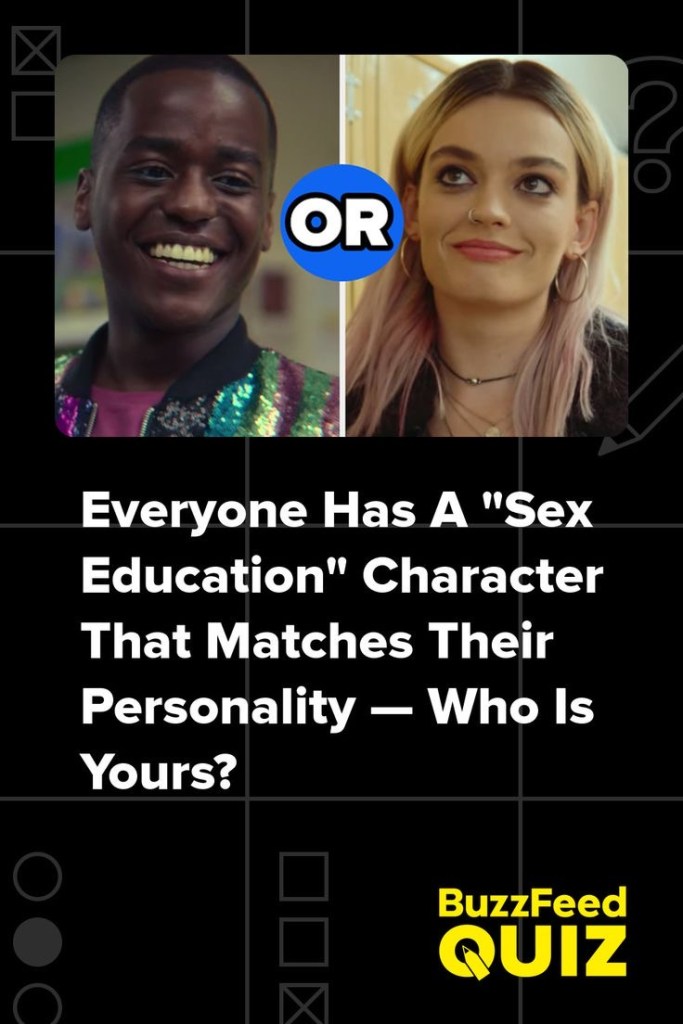
“Sex Education” and “Top Boy” leverage the affordances of internet-distributed television to address political representations of social identities. By exploring diverse experiences and challenging stereotypes, these series contribute to a more inclusive media landscape. However, the limitations of the medium, including potential commercial pressures and cultural misinterpretations, underscore the ongoing challenges in achieving truly representative narratives on a global scale.
 Digital Audiovisual Media Class Blog
Leave a comment