The changes in the post-film era involve both technological changes and cultural changes. Here are some examples of how these two aspects influence each other in the following.
Technological Change
The digital transformation of film production, distribution and viewing has indeed played a key role in the post-cinema era. Digital technology makes film production more flexible and post-production easier. At the same time, digital communication also allows movies to be disseminated on different platforms.
The development of technology has made virtual reality (VR) and augmented reality (AR) possible. These new media technologies not only change the creation and production process of movies, but also expand the interaction between the audience and the movie, providing the audience with a new movie-watching experience. Virtual reality movies can allow the audience to participate in the storyline, redirect its development, and make the movie experience more humane.
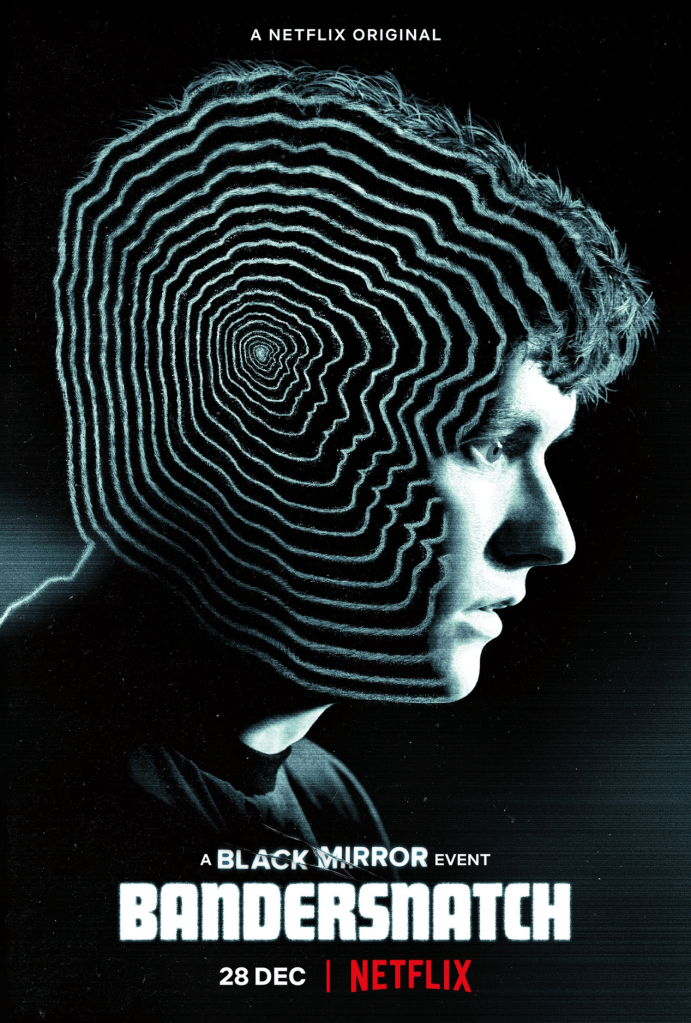
The rise of the post-cinema era has led to more interactive experiences, such as interactive movies or choice-based storylines. The audience can influence the development of the story through their own decisions, which is a completely new experience compared to traditional linear narratives. Netflix has launched several interactive series, the most famous of which is Black Mirror: Bandersnatch. In this interactive movie, the audience needs to make choices at critical moments, and these choices will directly affect the development and ending of the story. This interactivity provides the audience with a sense of participation and control, making them the decision-makers in the story.
Cultural Change
The post-cinema era has witnessed different consumption habits of audiences towards media. People are more inclined to watch content on multiple platforms, not just in traditional movie theaters. This had a profound impact on the distribution and marketing of the film. For example, the rise of streaming platforms such as Netflix, Hulu and Amazon Prime Video has enabled viewers to watch a variety of content at home, anytime and anywhere without being restricted by movie theater schedules. This has changed the traditional way of watching movies in the past, which was only through movie theaters. Movie studios no longer rely solely on premieres in theaters for promotion and profit. Now, through streaming platforms, movies can be released simultaneously around the world, providing viewers with a wider range of choices. This has prompted studios to change their distribution and marketing strategies and focus more on online promotions and social media promotions to attract audiences.
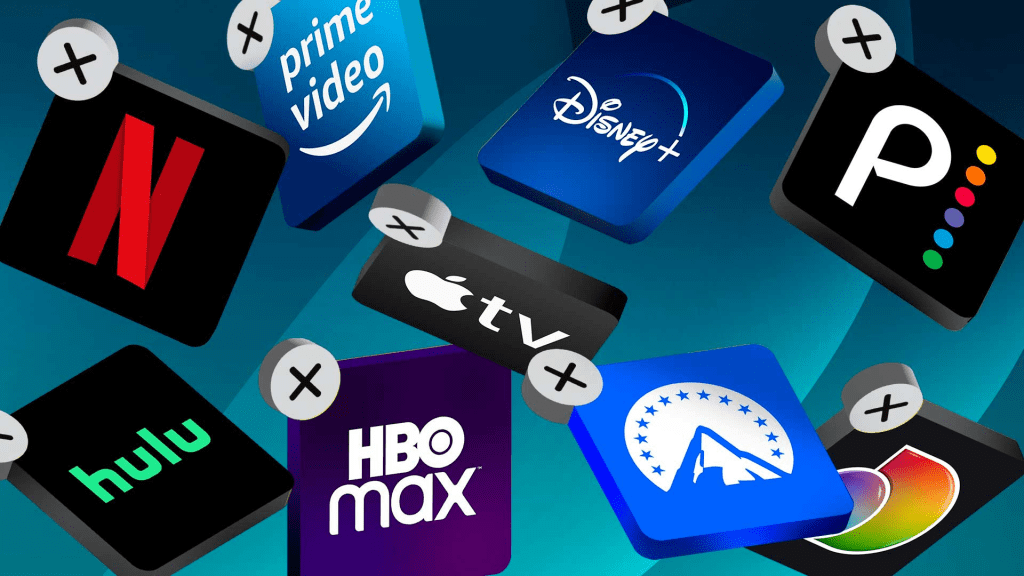
Advances in digital technology have provided greater creative freedom, making it easier for directors and producers to realise their visions. At the same time, audience feedback and needs can also be communicated to creators more directly through digital platforms. Besides, the rise of video streaming services has provided opportunities for more types of content, from movies to documentaries, short films and TV series of all styles. This diversification gives viewers richer choices.
In short, technological changes and cultural changes in the post-film era are interrelated and mutually successful. Advances in technology are not only changing the way films are made and watched, they are also shaping the cultural attitudes and expectations of audiences. This change makes movies no longer a single form of entertainment, but a more diverse and interactive cultural experience.
By Chaowei Zhi
 Digital Audiovisual Media Class Blog
Leave a comment