YouTube, which originally started as a dating site, faced technological challenges when they originally started, including video file sizes and media player compatibility. Yet, the combination early investments, like the $8.5 million from Sequoia Capital (Hearsum;Inglis;2013), and the platform’s key features, such as limiting video length, easy embedding, and restrictions on downloading, enabled the platform to be easily accessible to all and so contributed to its rapid rise.
In 2006, YouTube had become the dominant participatory media channel, boasting 100 million daily views and 65,000 new daily uploads((Hearsum;Inglis;2013). Its exponential growth led to its acquisition by Google for $1.65 billion in October 2006(Hearsum;Inglis;2013). The platform’s influence soared, reaching over 85 million videos by April 2008 and claiming more than a billion daily views by October 2009.

By providing a free, global broadcasting platform, embraced by both amateur and professional content creators. Its impact on music videos challenged traditional constraints of budget, time, and equipment. The platform fostered a process of democratization, empowering thousands of casual creators to showcase their work to a vast audience.
In The Emancipation of Music Video: Youtube and the Cultural Politics of Supply and Demand authors Hearsum and Inglis compare this rapid rate of growth through overlapping social networks to be “reminiscent of the chain letter activity of generations of schoolchildren” (Hearsum;Inglis;2013) which highlights the viral and interconnected nature of YouTube’s expansion.
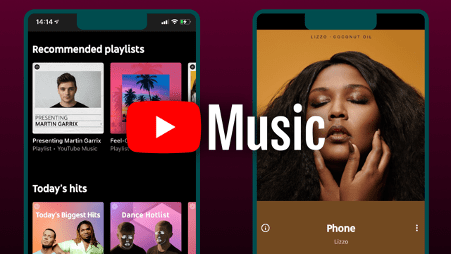
The blog post delves into the evolution of music videos, noting the financial extravagance of traditional productions and their control by major record companies. YouTube disrupted this model, offering a space for DIY music videos, challenging industry norms, and providing a platform for those without formal training or resources.
Overall, YouTube’s journey from a dating site to a global media giant represents a remarkable emancipation in the world of content creation. It has redefined how we consume and create media, challenging traditional norms and opening doors for diverse voices to be heard.

By Joseph Sofocleous
Reference:
‘The Emancipation of Music Video: Youtube and the Cultural Politics of Supply and Demand’, in John Richardson, Claudia Gorbman, and Carol Vernallis (eds), The Oxford Handbook of New Audiovisual Aesthetics, Oxford Handbooks (2013; online edn, Oxford Academic(16/12/2013)
 Digital Audiovisual Media Class Blog
Leave a comment