The evolution of animation, from simple hand-drawn sketches to today’s digital animation, has undergone tremendous change. This journey reflects not only rapid technological advancements but also changes in storytelling, creativity, and audience expectations. Moving from traditional hand-drawn methods to modern 3D animation, and with even more possibilities in the future, animation as a medium has unlocked endless artistic potential.
The Era of Hand-Drawn Animation
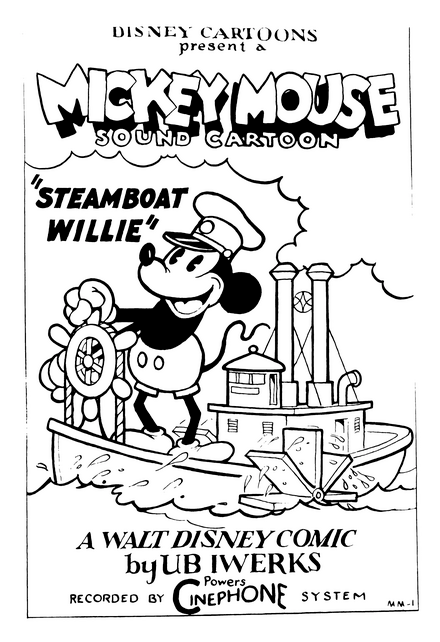
2D animation, a traditional hand-drawn style, was dominant in the 20th century. The first 2D animated film with synchronized sound was Steamboat Willie, made by Walt Disney in 1928. Since every frame in 2D animation had to be drawn by hand, the process required a lot of time, effort, and a high level of skill and patience from the animators. To follow the standard film format, 24 hand-drawn frames were needed for each second of animation. With the development of computer graphics, animations have become more realistic, thus making it easier for audiences to relate to storylines and empathize with characters. Au, K. C. (2014)
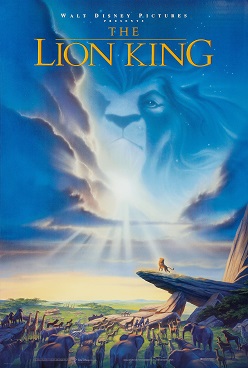
Some of the most iconic films from this era include Disney classics like Snow White and the Seven Dwarfs (1937), Cinderella (1950), and The Lion King (1994). These films showcased the incredible artistry and storytelling power of 2D animation, captivating audiences with vivid characters and smooth motion. However, the process of making hand-drawn animation was not only slow but also expensive, often requiring large teams of animators working for years to complete a single film.


The Shift to Digital Animation

In the 1990s, the rise of computer-generated imagery (CGI) led a major shift in animation. This change started with Pixar’s Toy Story in 1995, the first fully computer-animated feature film.
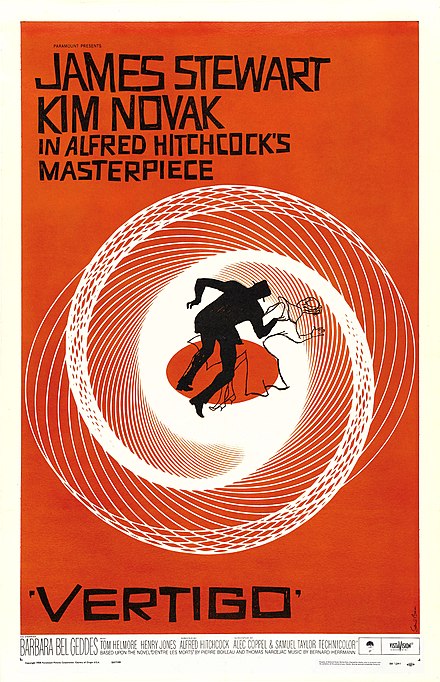
However, the first movie to use CGI was actually Vertigo, made by Alfred Hitchcock in 1958. CGI gave animators the ability to create 3D environments and characters, offering a level of realism and flexibility that traditional hand-drawn animation couldn’t match. Arguably now, with higher quality computer generated images (CGI), animations could now reach new heights in the portrayal of realism using 3D techniques. Au, K. C. (2014)
Having a 3D environment for 2Danimation was advantageous because utilizing a 3D space for reference provided a way of understanding the foreshortening of objects and dynamic cameras. Chambless, J. (2022) With CGI, animators could control characters and scenes more easily and efficiently. 3D models could be reused, and lighting, textures, and camera angles could be adjusted with precision and flexibility. This made CGI a more efficient and versatile method of production.
Beyond 3D: The Future of Animation
While 3D animation dominates mainstream film and television today, the future of animation continues to evolve. New technologies like virtual reality (VR) and augmented reality (AR) are pushing the boundaries of animation even further. VR allows audiences to fully immerse themselves in animated worlds, experiencing stories from a first-person perspective. AR, on the other hand, blends animation with the real world, creating interactive experiences.
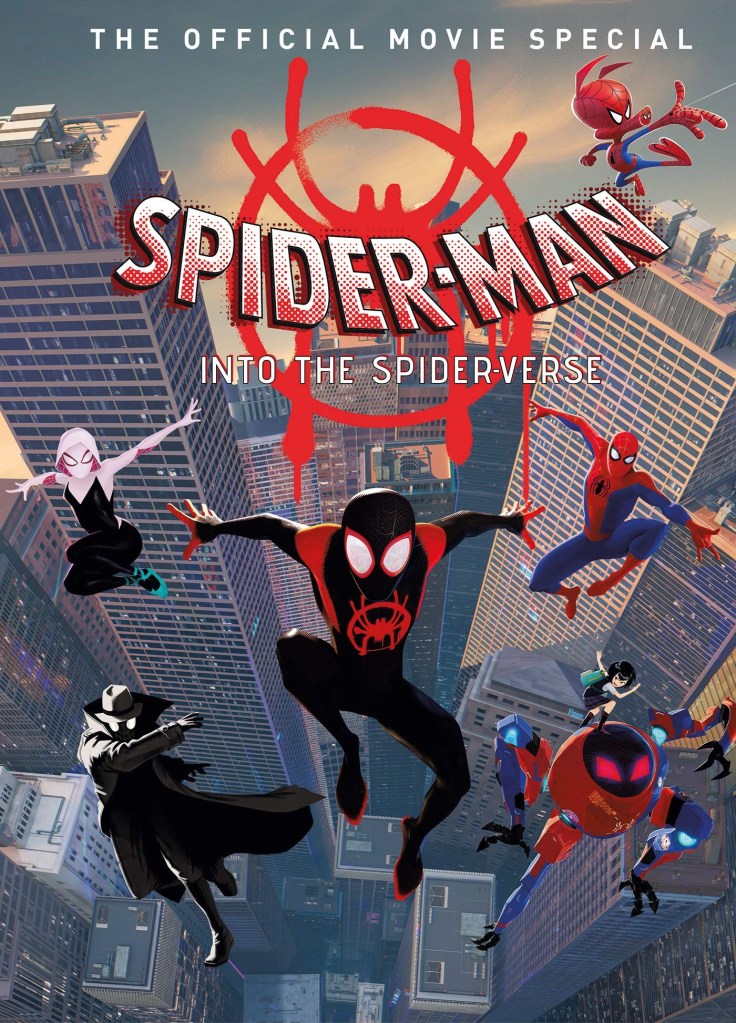
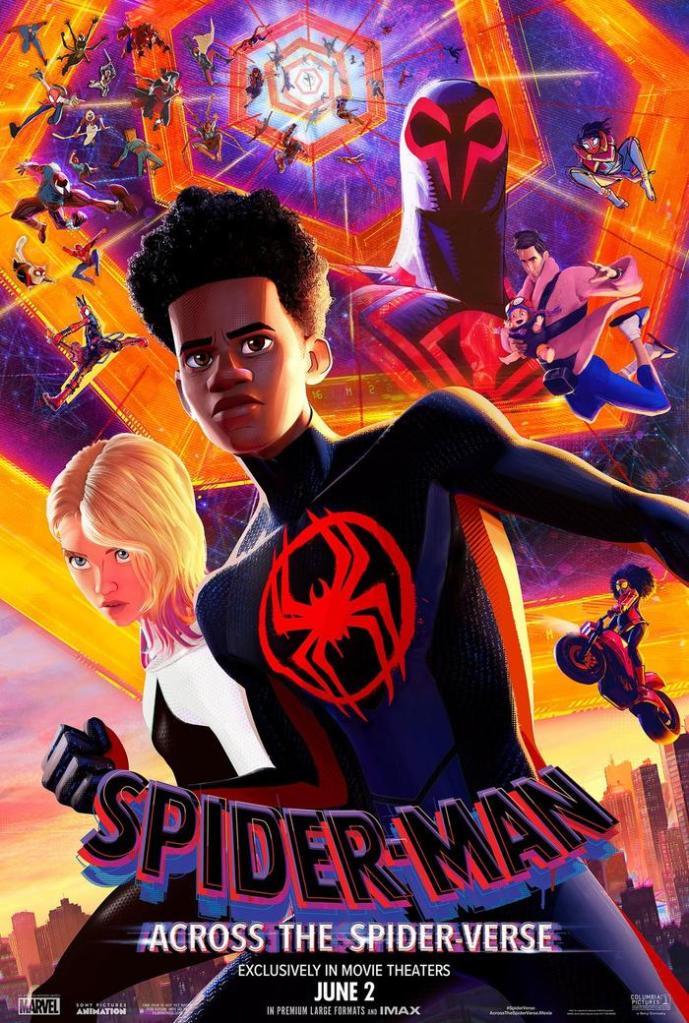
Another emerging trend is the fusion of traditional and digital techniques, known as hybrid animation. Films like Spider-Man: Into the Spider-Verse (2018) and Spider-Man: Across the Spider-Verse (2023) combine 2D and 3D animation, creating a unique visual style that honors the past while looking toward the future.
This blend of hand-drawn aesthetics with modern technology shows that the evolution of animation is not just a straight path—it’s a cycle, where traditional techniques are revived through digital innovation. These “daring” animation styles are truly refreshing and exciting to watch.In short, animation continues to evolve, with limitless possibilities for the future.
Junxi Li 33839720
Reference List:
Au, K. C. (2014). Animation: 2D versus 3D and their combined effect (Doctoral dissertation, Massachusetts Institute of Technology).
Chambless, J. (2022). 2D Animation of the 21st Century: The Digital Age.
 Digital Audiovisual Media Class Blog
Leave a comment