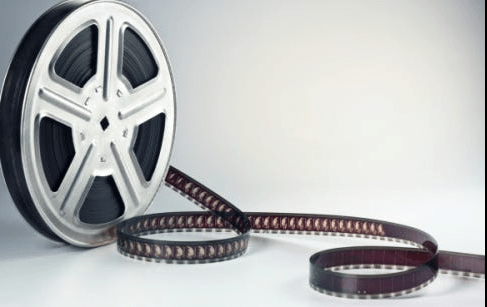
The shift from analog to digital in cinema has not only revolutionized how films are made but also redefined what cinema truly is. For decades, traditional film stock—photochemical, tangible, and bound to its physical medium, was the core of cinematic production. Its materiality shaped the aesthetic and experience of film, offering a sense of realism and connection to the physical world. Yet, with the rise of digital technology, this bond to physicality has been transformed, sparking both creative opportunities and debates about the authenticity of modern cinema.
Long before I discovered D.N. Rodowick, I found myself drawn to film photography for its tangible, physical nature. There’s something very real and grounding about the process—holding the film, developing it, and watching the image emerge from the chemicals. In a way, this tactile experience mirrors the essence of analog cinema, where light and time are captured in a physical, almost sacred manner. It’s fascinating that, despite living in a digital age, I find myself intrigued by more outdated methods, appreciating the authenticity and simplicity behind traditional photography. This personal connection to analog art makes the shift to digital cinema even more striking.
In “What Was Cinema”?, Rodowick examines this very transformation, arguing that cinema’s identity was historically tied to photochemical processes—capturing light and time in a grounded, physical form. With digital cinema, however, which relies on data and numerical information, that connection is severed. Rodowick believes this shift fundamentally changes how we experience and represent reality through moving images, questioning the loss of tactile engagement with the medium.
While digital filmmaking offers benefits like cost-efficiency, flexibility in editing, and advanced visual effects, it also raises questions about authenticity and the loss of the craft that defined traditional cinema. As digital cinema blurs the lines between photography, CGI, and animation, we must reconsider its cultural and philosophical role. Ultimately, the shift from analog to digital isn’t just a technological change—it represents a broader transformation in how we understand and experience cinema itself.
Omi Lu (33754147)
BIBLIOGRAPHY:
‘What was cinema’ in The virtual life of film – D.N Rodowick
 Digital Audiovisual Media Class Blog
Leave a comment