In delving into the post-cinematic influences of Attack on Titan, we can see how it constructs a unique audience experience through the combination of form and content. Rather than relying solely on traditional narrative techniques, this work employs a more dynamic and non-linear narrative. This approach not only heightens the urgency of the narrative, but also allows the audience to empathise more deeply with the characters emotionally.
Intertwining Non-Linear Narrative and Emotion
In Attack on Titan, the timeline of the story does not exactly follow a linear order, and many episodes are presented through flashbacks and interlaced narrative techniques. This non-linear narrative structure allows viewers to jump between different points in time, thus building a complex emotional network. The audience is not only watching an animation, but also experiencing the growth, pain and struggle of the characters. Allen Yeager’s changes and growth deepen the audience’s emotional understanding of him under the influence of the non-linear narrative.

This narrative effectively increases the tension and uncertainty of the work, allowing the audience to feel intense suspense and anticipation in each episode. When the plot reaches its climax, the viewer’s emotions are also heightened, which is part of the ‘affect’ emphasised by post-cinematic influences: it is not only the accumulation of emotions, but also the viewer’s intuitive response to the complexity of the emotions in the work.
Visual Style and the Remodelling of Sensory Structures
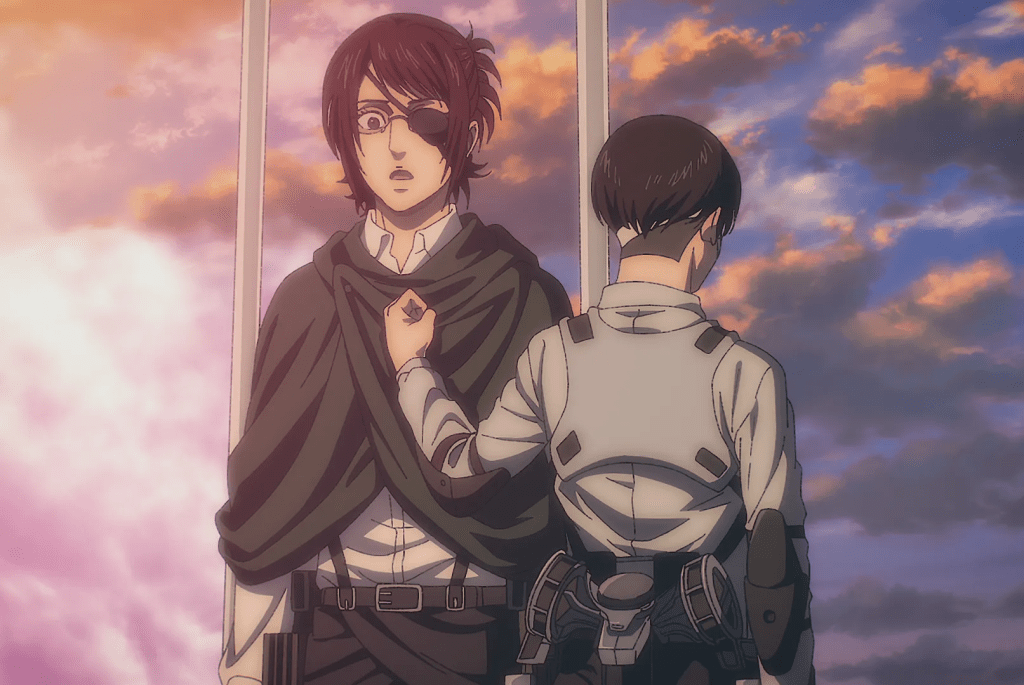
In addition to narrative style, visual style also plays an important role in Attack on Titan. Its unique drawing style and exaggerated action scenes create a highly immersive viewing experience. The shocking images of the giants’ appearances and the tense expressions of the characters in moments of crisis make for a visually powerful experience for the viewer. This visual effect is enhanced by the rapid editing and use of camera shots that convey emotions instantly, which in turn makes the audience’s emotional experience complementary to their visual enjoyment.
In the battle scene with the giants, the use of dynamic shots alternating with close-ups allows the audience not only to see the characters in action, but also to feel their inner fear and determination. This change in the structure of feeling drives the audience to a renewed understanding of the relationship between emotion and affection.
Thematic Depth and Social Allegory
Attack on Titan is more than just a story about a man’s struggle against giants; it also has a deep social moral behind it. These themes – freedom, oppression, choice and responsibility – push the audience to think deeper within the framework of post-cinematic influences. The conflicts and contradictions in the work reflect many complex issues in the real society and provoke the audience to reflect on human destiny.
By empathising with the experiences of the characters, the audience not only feels the individual’s emotional fluctuations, but also thinks about the connection between society, history and human nature on a broader level. This interaction between emotion and affect is at the heart of what post-cinema influence emphasises: how artworks can reshape the audience’s perceptions and reflections in new audiovisual environments.
Overall, Attack on Titan, as a representative post-cinematic work, successfully demonstrates the multiple dimensions of post-cinematic influence. From the non-linear narrative structure to the unique visual style to the profound social themes, these elements work together to build a complex emotional experience and wide-ranging social impact. By exploring these new forms, we can not only gain a deeper understanding of the appeal of modern animation, but also a better appreciation of the importance of emotion and impact in contemporary culture. All of this points to a larger question: how do we redefine human emotions and social relationships through new narrative and artistic expression in a rapidly changing media environment.
This is posted by Donghan Duan, MA Media and Communications.
 Digital Audiovisual Media Class Blog
Leave a comment