Cult films have a unique place in cinema history. They are often strange, different, and sometimes even shocking. These films attract loyal fans because of their unusual stories, distinctive style, and the way they go against mainstream movie rules. Originally, the term “cult film” referred mostly to odd movies shown at special times, like midnight screenings of Night of the Living Dead (Mathijs & Mendik, 2008). Today, though, cult films include a wide range of movies and events, even singalong versions of musicals like The Sound of Music. This change shows that cult films are now more popular and taken more seriously in film studies (Abbott, 2010). When we think about cult films and post-cinema, we can see how both challenge traditional ways of storytelling and encourage audiences to think in new ways.
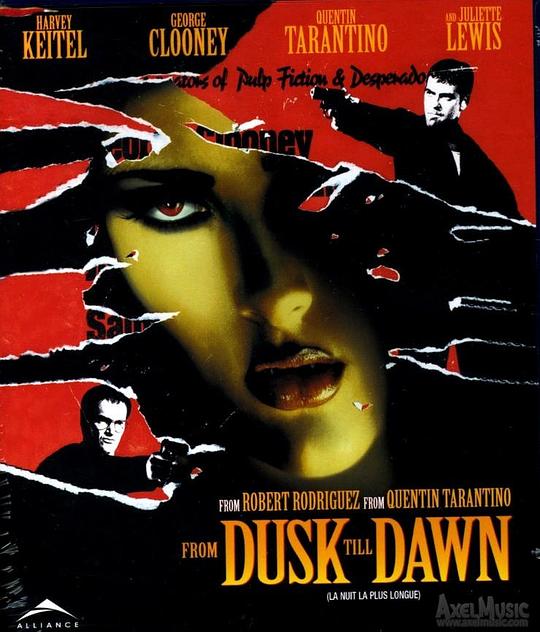
A good example of a cult film is From Dusk Till Dawn (1996), directed by Robert Rodriguez and written by Quentin Tarantino. The film starts as a crime story about two brothers, but then it suddenly becomes a horror movie with vampires. This mix of different genres is common in cult films. It surprises the audience and creates an interesting viewing experience. This sudden change in the story also connects to post-cinema, where different genres are mixed, and the way the story is told is less traditional.
Another interesting example is The Taste of Tea (2004), a Japanese film directed by Katsuhito Ishii. The movie blends family drama with surreal elements. One of its most striking images is the giant floating head of a little girl, representing her inner thoughts and feelings. This unusual visual challenges how we think about personal emotions, turning an abstract idea into something physical and hard to ignore. This connection between the inner self and external world, shown through such a strange yet powerful image, is something that post-cinema often explores—mixing reality and imagination in ways that challenge our understanding of the world.
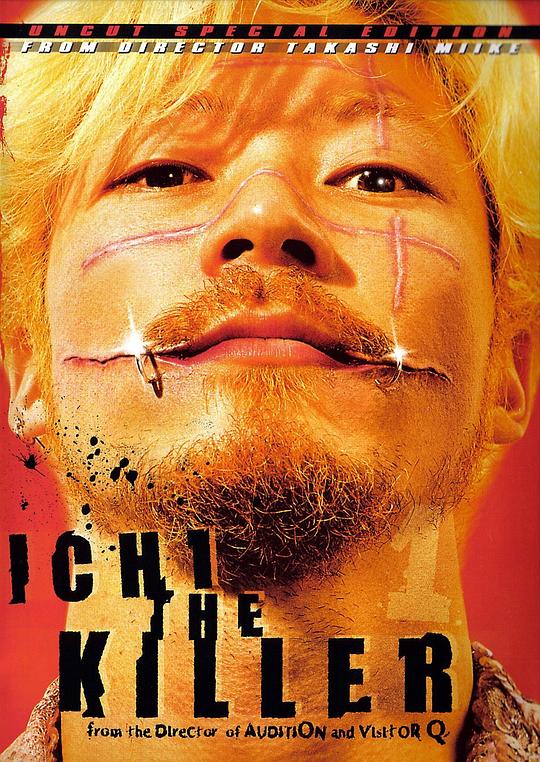
Ichi the Killer (2001), directed by Takashi Miike, is another example of a cult film that connects to post-cinema. This film is violent, shocking, and full of dark humor. It follows a yakuza boss and a mysterious killer in a story of revenge and chaos. The extreme violence and stylized visuals push the boundaries of what is considered acceptable in cinema, something that cult films and post-cinema both do. It also raises big questions about morality and justice, themes that are central to many post-cinema works.
Both cult films and post-cinema make viewers think on different levels and invite them to be more active. Cult films usually have fans who like to discuss the films, create fan art, and even dress up as the characters. Post-cinema also encourages audience interaction, especially now in the digital age, where people can watch and talk about movies on many different platforms.
In conclusion, cult films like From Dusk Till Dawn, The Taste of Tea, and Ichi the Killer show key features of post-cinema, like creative storytelling, mixing genres, and breaking traditional rules. Both cult films and post-cinema ask viewers to think differently about movies and to enjoy them as something that is always changing. As technology grows, the lines between cult films and post-cinema may continue to blur, giving audiences even more exciting movie experiences.
Siqi Han 33846005
 Digital Audiovisual Media Class Blog
Leave a comment