As we all know, Netflix has established itself as a transnational broadcaster and boasts a range of well-known television series alongside their own productions. One of the things Netflix are most known for however, has to be the trend of sitting down on your sofa, and watching hours of the same show well into the night before falling asleep with it still playing. The “Are you still watching?” popup Netflix shows you clearly signifies their awareness of our binge viewing, but I want to figure out why we treat Netflix and its content the way we do.
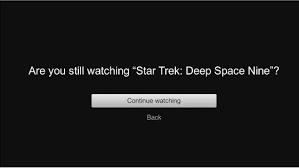
Netflix release whole seasons of a show at a time or even multiple seasons. This was originally because when obtaining the licensing to a series or film, they would put it onto Netflix a year or so later than initially released, so there was no need to keep an audience in suspense. What I find interesting is that Ted Sarandos (2024) the CEO of Netflix says that the company noticed almost everyone watches at least two episodes or more at a time, rather than just one, coining the term ‘binge watching’. Having everything available at one time makes it easy to forget just how much you have watched.
I also suggest that the structure of Netflix as a platform encourages and promotes binge viewing alongside newer television formatting. The amount of content available to audiences encourages you to try and complete as much of it as you can. This works simultaneously with the increasingly complex and elaborate narratives we watch, such as ‘Dark’, ‘Money Heist’ and ‘Alice in Borderland’.


Audiences are almost forced to watch multiple episodes continuously to gain a full understanding of the plot itself, especially with the range of languages shows are now filmed in. As Amanda Lotz (2017) explains, this new era of television (TVIV) has enabled audiences to shift away from time-specific viewing and resultingly watch more content, more frequently. At first glance, audiences may appear lazier than before Netflix arrived on the shelves, but after looking into the platform it’s clear that the plot thickens!
Lily De’Athe – 33735532
References –
Mareike Jenner (2018), ‘Introduction: Netflix and the Reinvention of Television’, ‘Introduction: Binge Watching Netflix’, Netflix and the Reinvention of Television, pp. 1-31, 109-118.
YouTube (2024) ‘The History of binge watching on Netflix’. Available at: https://www.youtube.com/watch?v=kZSUCMMIeQY (Accessed 2.11.24)
Amanda Lotz (2017), ‘Theorizing the Nonlinear Distinction of Internet-Distributed Television’, Portals: A Treatise on Internet Distributed Television.
 Digital Audiovisual Media Class Blog
Leave a comment