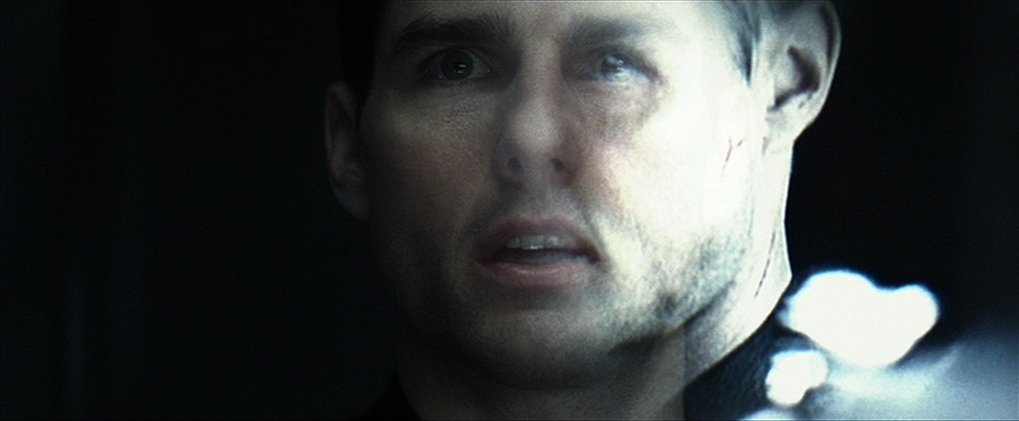
Minority report is a 2002 film directed by Steven Spielberg, starring Tom Cruise, Max Von Sydow and Colin Farrell. The film tells the story of the police department in Washington D.C, in the year 2054, who is able to look into the future and stop crimes before they occur.
The passage from analog to digital in cinema has been evident ever since the technological apparatus to make movies has started to develop. Not only has it changed drastically the landscape of cinema, but it also has seen an enormous uprise in the incorporation of these technological advances within movies. Hollywood especially uses this fight between digital vs analog in most sci-fi films, and, most of the time, this technological advancement has been antagonised and demonised, as Rodowick explains in “The Virtual Life of Film”.
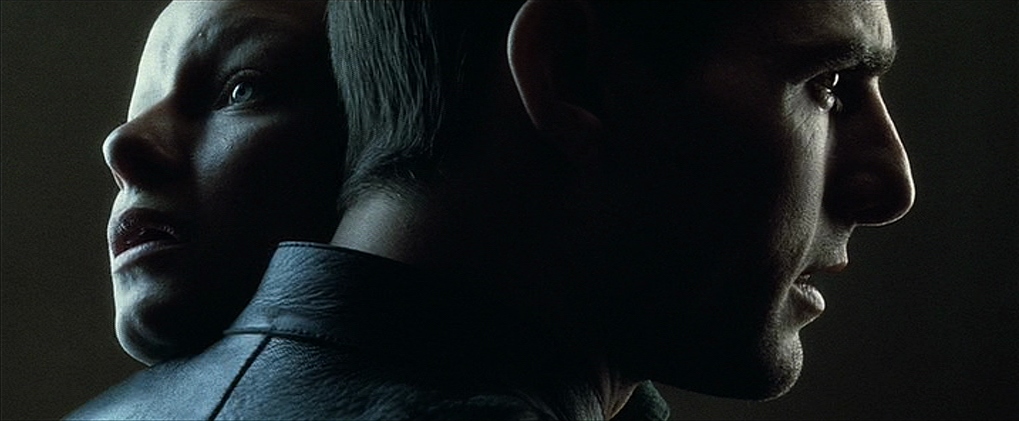
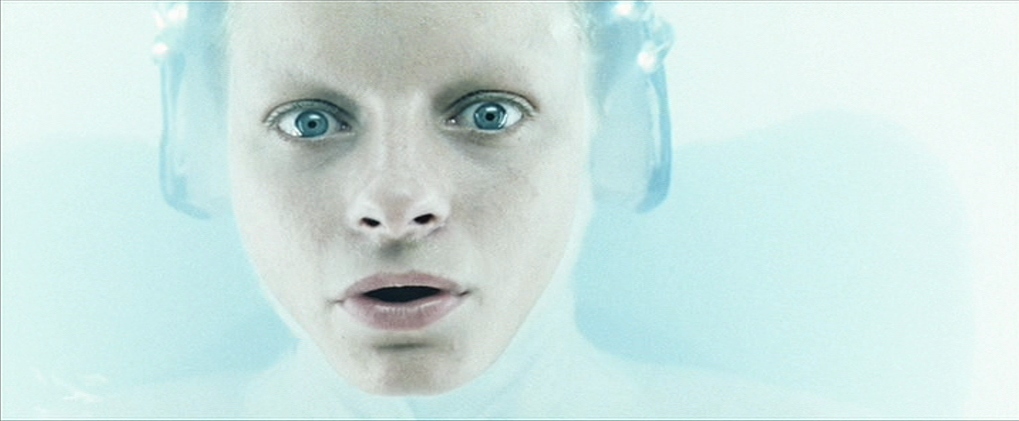
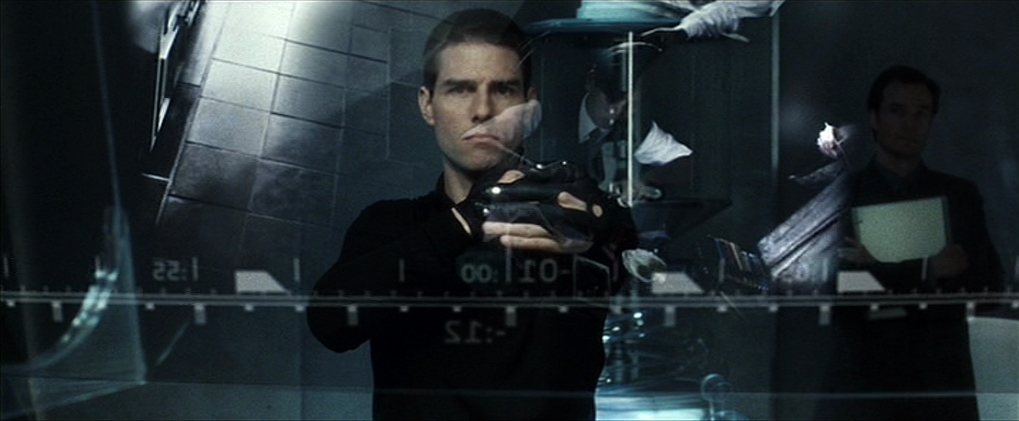
In “Minority Report”, the futuristic world we are shown is composed of moving images: cereal boxes with animations, video calls and projections. Citizens can visit a VR arcade where they can indulge in their deepest and darkest fantasies. With this immense presence of moving images in the future (along with all the technological advancements) it can be noted that in a future such as the one shown in the movie, moving images are not seen as a form of art, entertainment or escape, but merely another element of everyday life. When John analyses the precogs visions and moves them around composing a narrative, he is almost acting as a director trying to tell a story. However, the movie then proceeds to showcase this advancement of technology as an extremely negative aspect of this society, as a tool of surveillance and as something cursed: it manages to trap John in the past and in his pain, and the precogs between the past and the future both. At the end of the movie, where we see the three precogs sitting in a wooden cottage with woollen jumpers and reading paper books, showing them in a place where they can live their life in peace – without technology.

Therefore, the introduction of the digital in film and the evolution and advancement of technology has been shown in Minority Report as a dangerous weapon that can be harmful to humanity. While film productions have been embracing this evolution, in nearly every futuristic sci-fi movie this evolution has been shown as something deadly that we shouldn’t be too enthusiastic about. Post cinema embraced this evolution, although at the same time shows its fear of it evolving into something that might ruin our perception of what moving images are.
Reference List
Rodowick, D.N. (2007). The Virtual Life of Film. Harvard University Press.
Rollason, T. (2024). MINORITY REPORT. [online] CINEMA YEAR ZERO. Available at: https://cinemayearzero.com/2024/06/13/minority-report/ [Accessed 7 Nov. 2024].
Giulia Lanfrancotti 33750235
 Digital Audiovisual Media Class Blog
Leave a comment