In the past decade, YouTube has transformed from a video-sharing platform to a dominant force in the media landscape. This shift reflects a broader transition from traditional media, like TV and newspapers, to digital platforms. With YouTube, content creation is no longer limited to large media companies; individuals can now produce, share, and consume content on their terms. This democratization of media has led to the rise of a new profession: the YouTube content creator.
However, content creation is no easy task. Behind every video is a lot of hard work, from scripting and filming to editing and promoting. Creators need to understand their audience, stay on top of platform algorithms, and figure out monetization strategies to succeed. It’s a unique form of labor, blending creativity with business acumen.
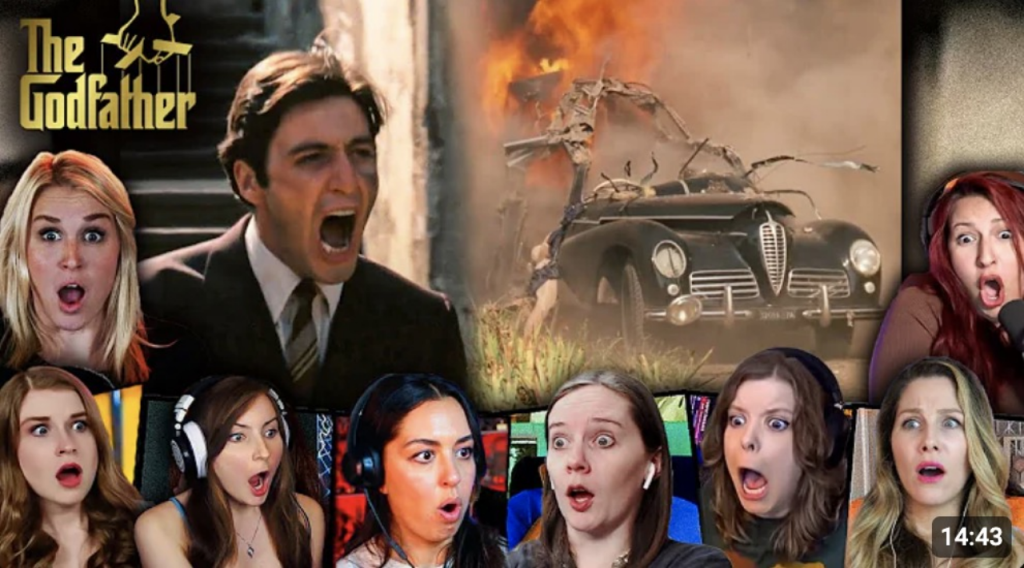
One of the most popular and enduring content formats on YouTube is reaction videos. While reactions to media have been around for years—think of sports commentary or variety shows—YouTube has taken this concept to new heights. The Fine Brothers, for example, popularized the “React” series, starting with “Kids React” and expanding to “Teens React” and “Elders React.” These videos quickly became viral sensations, as audiences loved seeing people’s genuine emotional responses to trending media, from viral videos to blockbuster movies.
Reaction videos aren’t just entertainment—they carry cultural significance. For example, in a powerful episode of the Fine Brothers’ “React” series, children were shown videos of same-sex marriage proposals and asked to share their thoughts. Some were supportive, while others struggled to understand the concept. What was most striking, however, was their instinctual belief in love and equality, showing how younger generations interpret and engage with evolving social issues.
Another great example is NikkieTutorials, a beauty influencer who has used reaction videos to shape beauty trends. By reacting to celebrity makeup looks and beauty trends, Nikkie not only entertains but also empowers her viewers, encouraging them to embrace their unique beauty and challenge traditional beauty standards.
The cultural impact of reaction videos is especially evident in fan communities, such as those of Filipino fans of the Miss Universe pageant. Reaction videos here serve as a form of cultural expression and community bonding. For many viewers, these videos offer a chance to share their pride and emotional connection with the performers.
In conclusion, reaction videos do more than entertain—they create dialogue, build communities, and reflect societal values. Whether through emotional responses to media or shaping trends, reaction videos are a powerful tool in YouTube’s evolving culture. For creators, understanding this impact is key to building a loyal audience and succeeding in the creator economy.
By: Jingwen Lei
 Digital Audiovisual Media Class Blog
Leave a comment