With the rapid rise of digital platforms, Internet distribution platforms such as Netflix, Amazon Prime and HBO.And the medium of television has undergone profound changes. As we learn form Michael Goddard and Christopher Hogg the concept of “Trans TV” in Critical Studies in Television, arguing that digital platforms have not only revolutionized the way content is distributed, but also provided space for more inclusive narratives. I think the new Internet TV model is not only a technological advancement, but also a revolution in the way content and audiences interact.
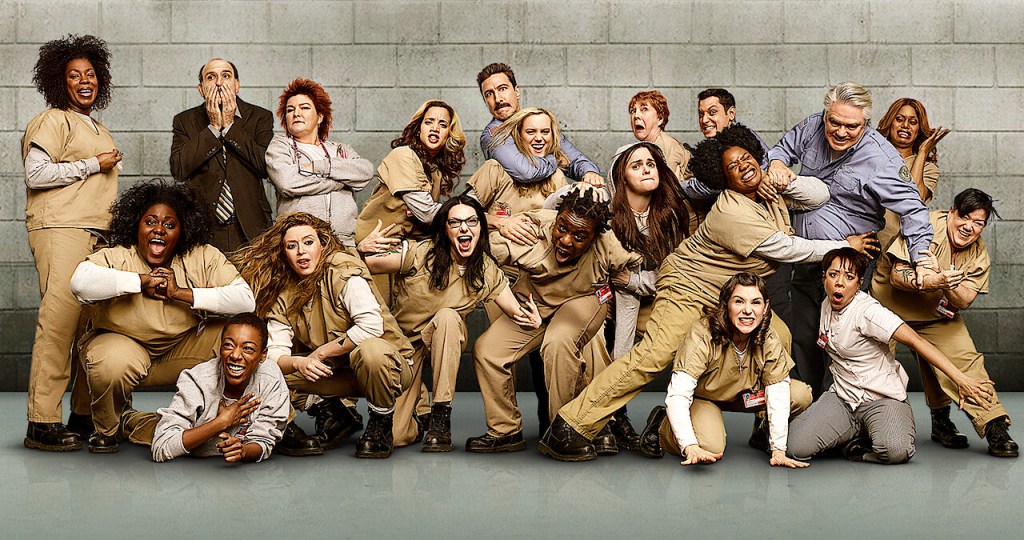
I want to use <Orange is the New Black (2013-2019) >as an example today, because I think this is a representative work of “Trans TV”. The show is aired on the Netflix platform, this series show its bold narrative and authentic portrayal of LGBTQ+ characters. The character of Sophia Burset who act by Laverne Cox, she is the real transgender female in real world, so I think is one of the landmark representations in television history. Sophia’s story shows her struggle as a transgender woman in a male prison, and also reveals the systemic discrimination against transgender prisoners in the prison system.
“Trans TV” is not just about superficial representation, but about challenging existing social structures and prejudices through narrative. In <Orange is the New Black>, Sophia’s stories explores problems of gender identity, family relationships, and social marginalization. For example, when Sophia is deprived of her hormone replacement therapy by prison authorities, it showns the exploitation of her bodily autonomy and the vulnerable position of transgender people in institutional environments.
<The Orange is the New Black> proves that digital platforms not only provide opportunities for marginalized groups to speak out, but also encourage creators to break the narrative constraints of traditional television.In addition, I think this also can explain how Netflix uses data-driven personalized recommendations and binge-watching models to attract viewers. Sophia’s storyline shows how these platforms can delve into the complexity of characters through longer narrative arcs. In conclusion, I think <The Orange is the New Black> is very sesuessful representations in television history.
However, as Goddard and Hogg warn, despite the progress made by “Trans TV” in promoting LGBTQ+ representation, market-driven digital platforms may still commoditize diversity. This means that although characters like Sophia have gained unprecedented exposure, we still need to be wary of whether such representation is truly driving deep social change, rather than just catering to market demand.
Junwei Lin 33867183
 Digital Audiovisual Media Class Blog
Leave a comment