As streaming platforms grow in popularity, Netflix has become a major player in how we consume entertainment. One of the most important changes brought by Netflix is its focus on diversity, particularly in terms of race, gender, and sexual orientation. The platform has not only expanded the variety of content available but has also provided a space for stories from different backgrounds that were often overlooked in traditional media. However, this push for diversity comes with its own set of challenges.
Netflix promotes diversity through a wide range of original shows and movies that showcase various cultures and experiences. For instance, shows like “Master of None” highlight the life of a South Asian man navigating life in America, breaking away from typical stereotypes. Similarly, “Orange Is the New Black” features a diverse cast of women, including many LGBTQ+ characters, exploring issues of race and sexuality. These series allow viewers from different backgrounds to see themselves represented on screen, which is crucial for building a sense of identity and belonging.
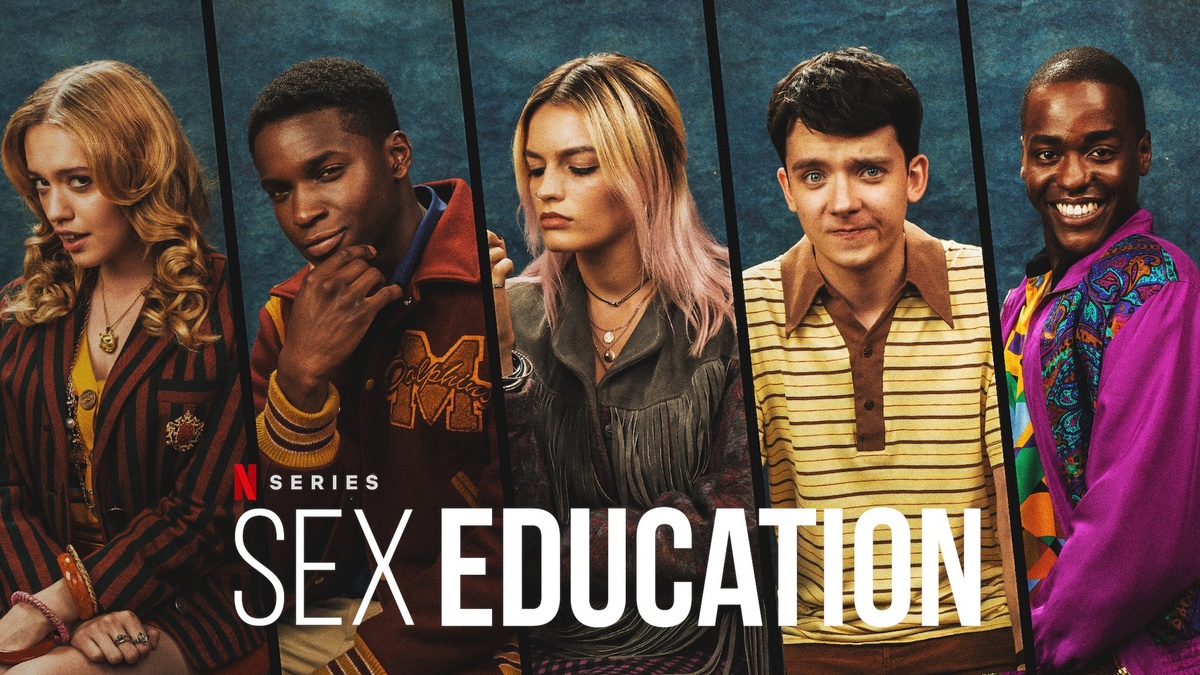
Furthermore, Netflix has made efforts to include stories from marginalized communities. Shows like “Sex Education” discuss the topics of gender identity and sexual orientation, offering honest conversations about issues that many young people face today. By featuring characters from diverse backgrounds, these shows not only entertain but also educate viewers about different perspectives and experiences.
However, while Netflix has made strides in promoting diversity, it faces challenges. One major concern is that some of the representation can feel superficial. Sometimes, the characters from diverse backgrounds may fall into certain stereotypes or their stories might not be fully developed. This can lead to a situation where it seems like the platform is checking boxes for diversity rather than genuinely representing complex characters and their stories. As Mareike Jenner (2018) notes in The Quantification of Diversity: Netflix, Visibility Politics and the Grammar of Transnationalism, “visibility politics is common to middlebrow television, particularly American network television, allowing for signifiers of changing attitudes towards race, gender, or ability, without changes to the way narratives are constructed.” Netflix, in its efforts to promote diversity, may at times fall into this same pattern of signaling diversity without reimagining the deeper narrative structures that could fully explore these perspectives.
It is true that Netflix has made significant progress in representing diverse voices in the streaming age. By offering a platform for stories from various races, genders, and sexual orientations, it has created a more inclusive viewing experience. Yet, it is important for Netflix and other streaming platforms to continue to strive for genuine representation that goes beyond surface-level diversity. This means developing well-rounded characters and stories that reflect the complexity of real-life experiences. As viewers, we should also engage critically with the content we consume and support shows that promote authentic diversity.
References
Jenner, M. (2018). The quantification of diversity: Netflix, visibility politics and the grammar of transnationalism. International Journal of Cultural Studies, 21(2), 119–136.
Siqi Han 33846005
 Digital Audiovisual Media Class Blog
Leave a comment