In the third week, we explored the form, emotion, and concept of post-continuity in post-cinema. Shaviro (2011) proposed that post-continuity is not limited to action films, but also appears in other genres, such as horror films and independent films. In these films, traditional narrative and editing rules are often broken or redefined. This narrative style often gives the audience an emotional “fragmented” experience by breaking the traditional timeline and quickly switching perspectives, reflecting the fragmentation and acceleration of information in contemporary life. The movie Source Code is an example, telling the story of the protagonist Colter Stevens repeatedly experiencing the same event, leading the audience into a cyclical, fragmented experience. Through the different visual information and emotional impact brought by each reset, the film forms the sensory stimulation of a “chaotic movie”, allowing the audience to experience tension and emotional fluctuations in non-linear time (Figures 1 and 2 and 3).
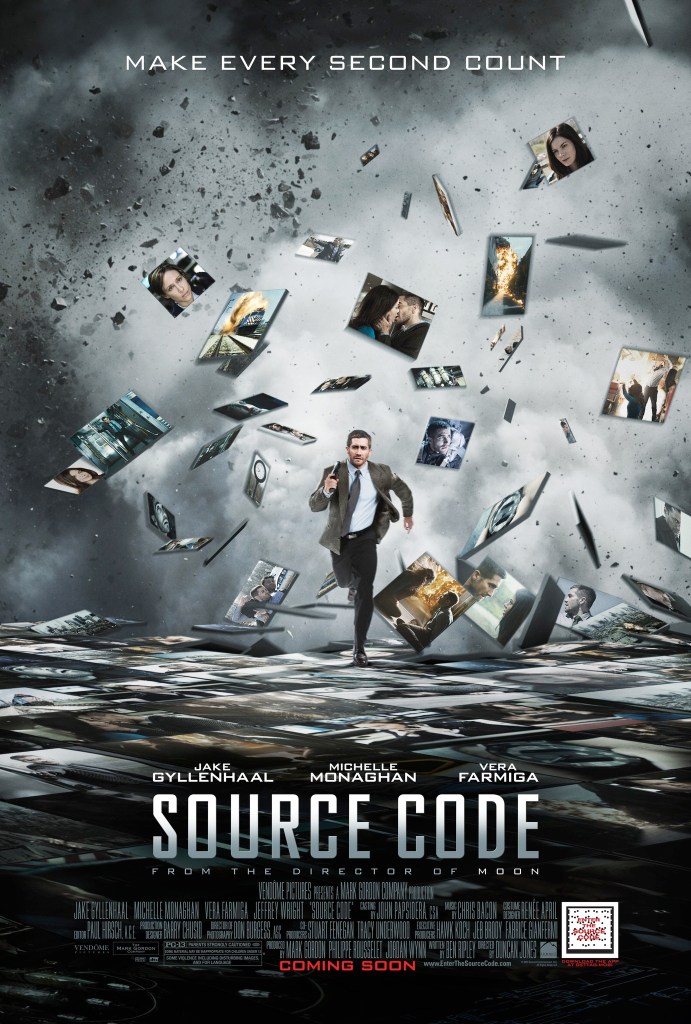
Figure 1: Source Code (Scenes from the film)
Image source: https://www.imdb.com/title/tt0945513/mediaviewer/rm3172041984/
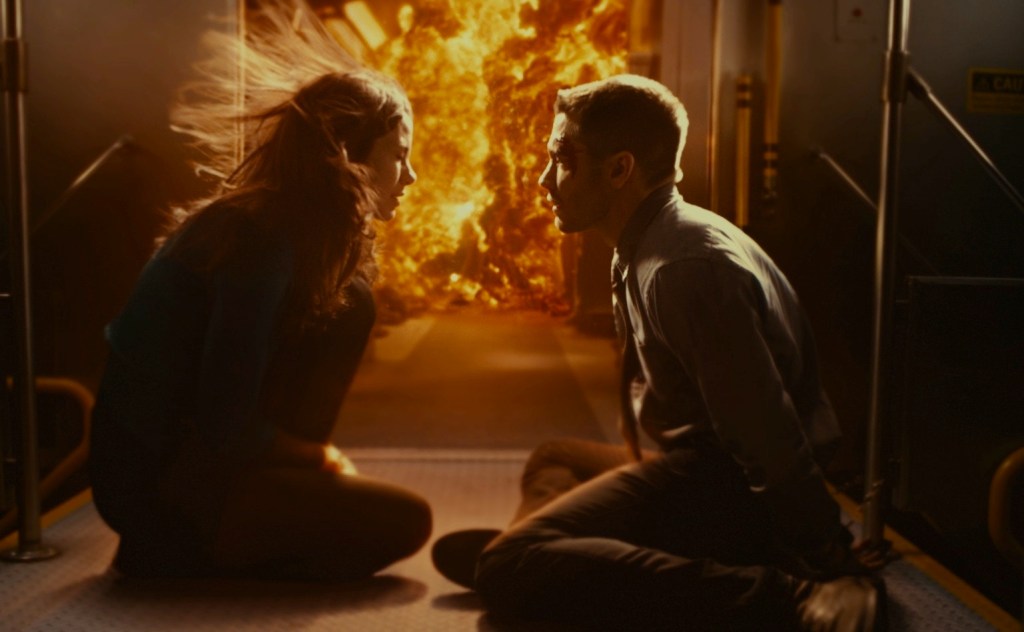
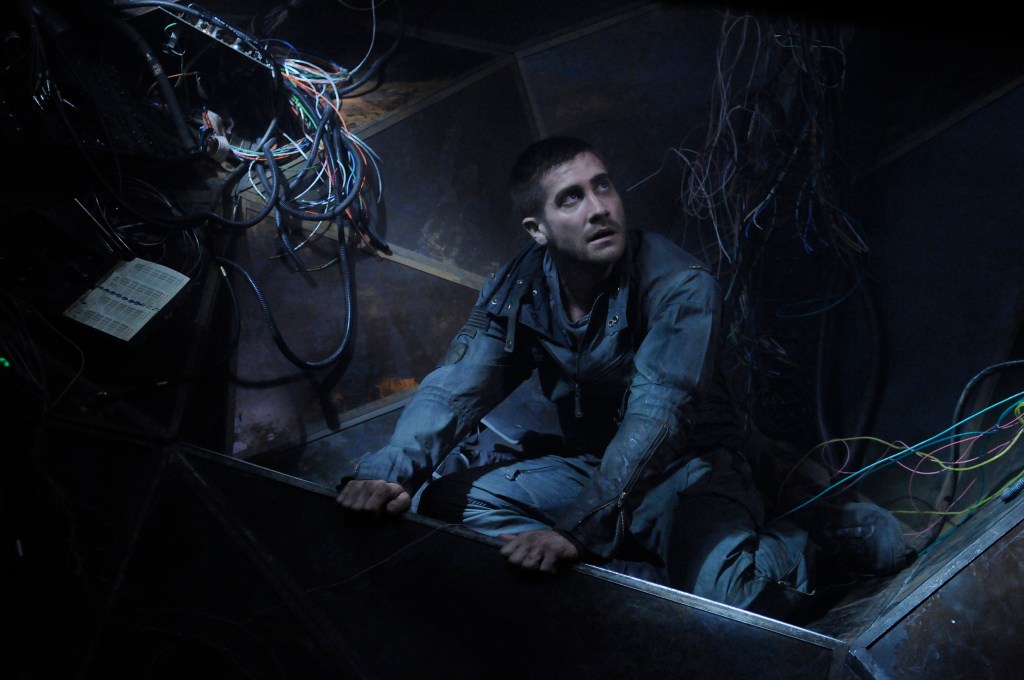
Figures 2 and 3: Source Code (Scenes from the film)
Image source: https://www.imdb.com/title/tt0945513/mediaviewer/rm3570449152/
Shaviro’s (2011) concept of “post-continuity” explains the relationship between this film style and broader cultural and technological changes, especially the rise of digital media and the acceleration of global capitalism. He believes that the fragmented and non-linear characteristics of this film style reflect the fragmentation and acceleration of information in contemporary life. Through this change in lens language, the audience gradually adapted to the changes in non-linear narrative and was able to find resonance in the emotions and core of the story.
In Chinese films, The Flowers of War directed by Zhang Yimou is a typical example. This work presents the intertwined fates and emotional conflicts of multiple characters through fragmented narrative techniques. Although the timeline of the film does not advance linearly like traditional Hollywood films, it constructs a more “sensory” film experience through the switching of multiple perspectives and the superposition of memories.
The film repeatedly features the heroine Shujuan’s memories, which are intertwined with the current war scenes. For example, Shujuan recalls the brightness of the sentimental women when they first entered the room, and the picture is bright and warm. But in reality, she is in war-torn Nanjing, and the picture becomes gray and cold. With quick cuts and contrasting images, the calm, war-free Nanjing is shown alongside brutal scenes of war, creating a powerful visual effect. And the interlaced memories allow the audience to have a deeper understanding of the character’s personality transformation, from a pure girl to a sentimental woman who finally decides to sacrifice bravely. This interplay of memories evokes a strong emotional response from the audience. (Figures 4, 5, 6, and 7)
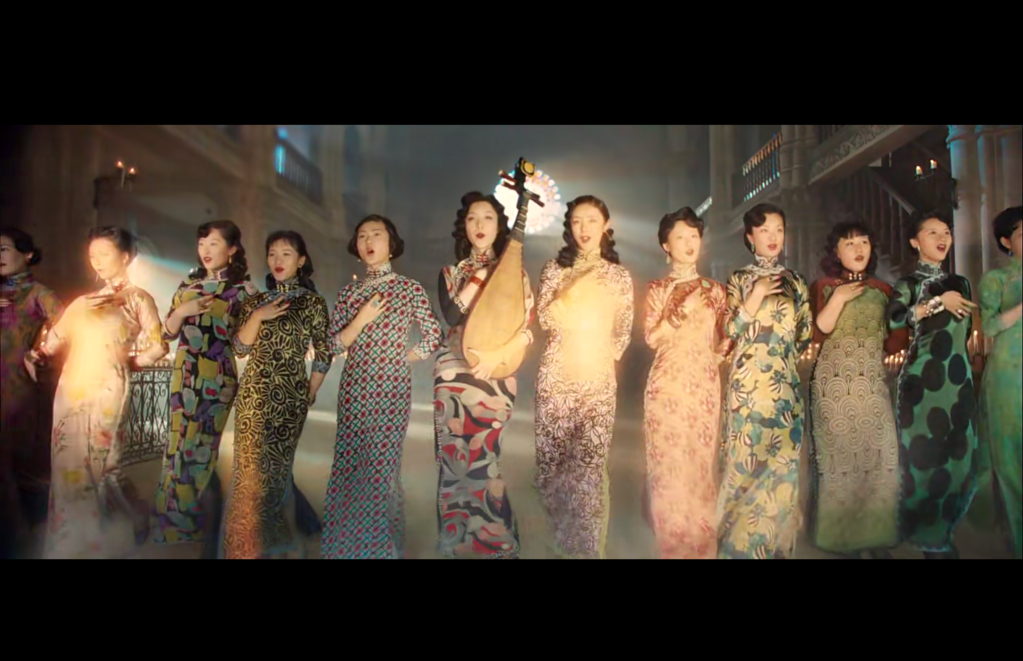
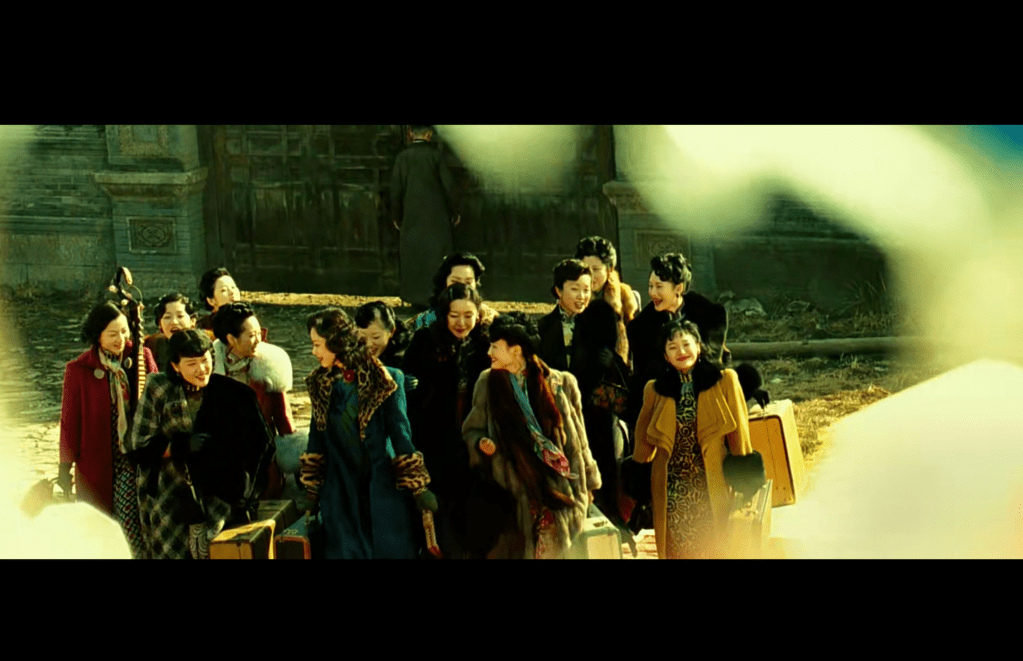
Figures 4 and 5: Peaceful Memories – Scenes from The Flowers of War
Image source: iQIYI Video Player

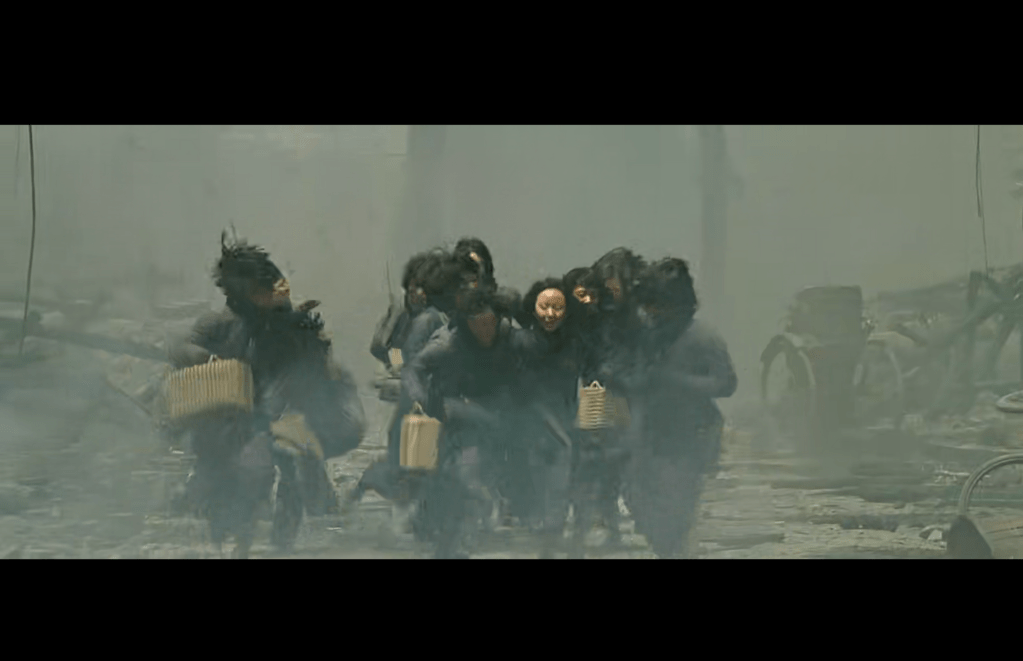
Figures 6 and 7: Escaping Through War – Movie Screenshots from The Flowers of War
Image source: iQIYI Video Player
In war scenes, fragmented and detailed perspectives reflect “post-continuity,” emphasizing emotional tension through unconventional narrative coherence. (Figures 8 and 9)
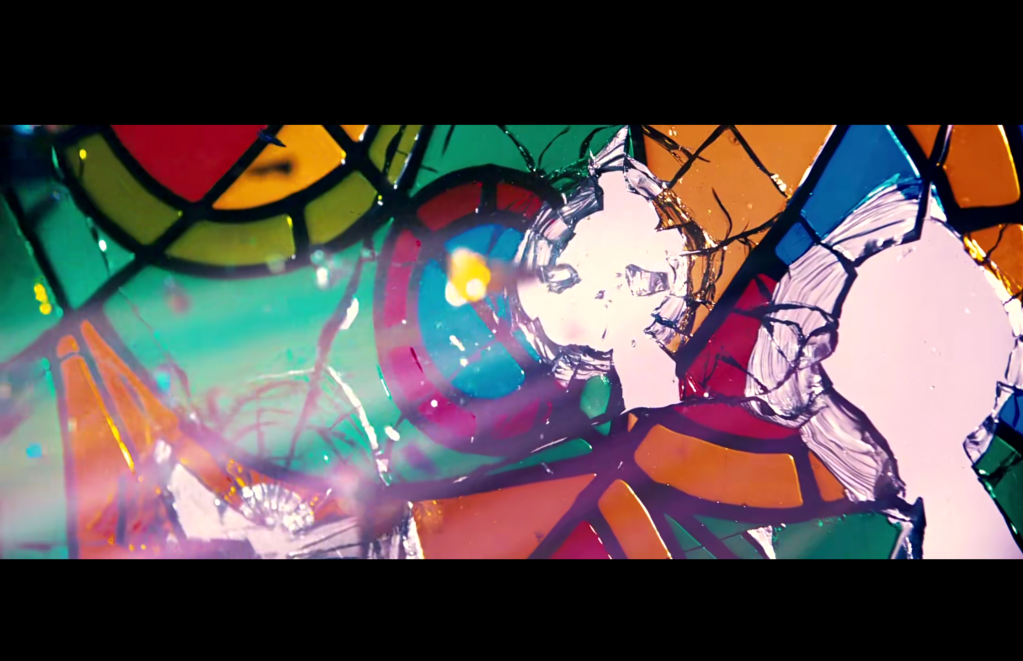
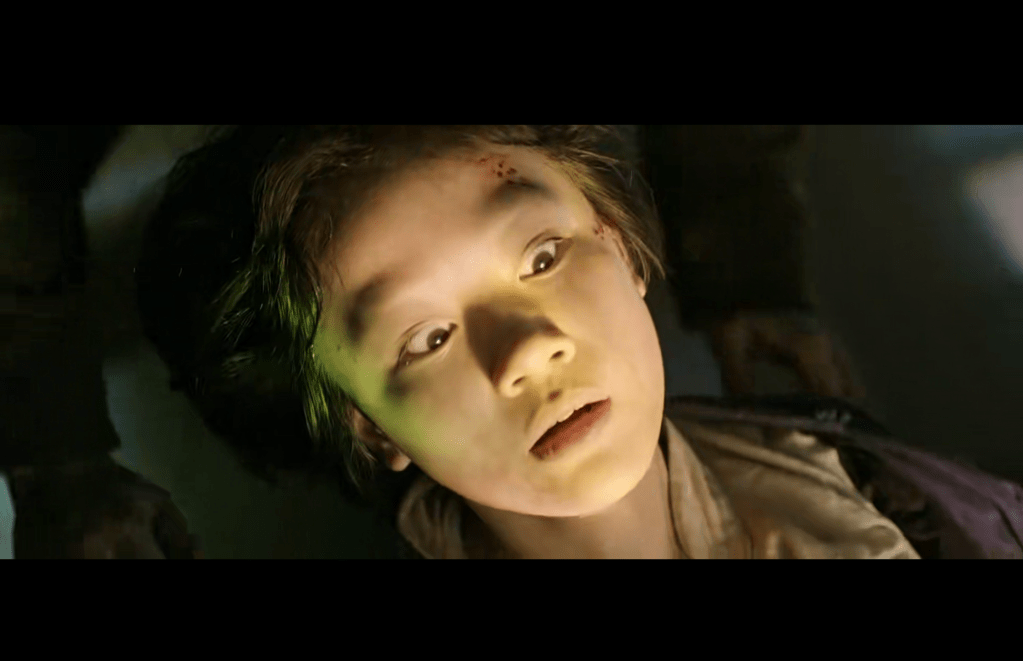
Figures 8 and 9: The Flowers of War (Scenes from the film)
Image source: iQIYI Video Player
In The Flowers of War, Zhang Yimou breaks the traditional timeline continuity and guides the audience to experience the story from an emotional and sensory perspective, reflecting the application and innovation of “post-continuity” and “chaotic film” in Chinese films. This narrative method challenges the traditional linear narrative mode, while also enhancing the audience’s sense of immersion and emotional experience through detailed lens language.
Reference List:
Shaviro, Steven. (2016). ‘Post-Continuity: An Introduction’. Post-Cinema: Theorising 21st Century Film, pp. 51-64.
Qi, Yanmin. (2024). ‘On the Film Adaptation of The Flowers of War’ [in Chinese]. Yangtze River Novel Appreciation, (21), 85-88.
Zhang, Tiancong. (2023). ‘Analysis of Cultural Communication in Films from the Perspective of Cross-Cultural Communication – A Case Study of The Flowers of War’ [in Chinese]. Home of Drama, (16), 169-171.
By Shanjing Hu-33859586
 Digital Audiovisual Media Class Blog
Leave a comment